





























Trump's India Tariffs 2025: Rising Trade Tensions on Russian Oil Imports
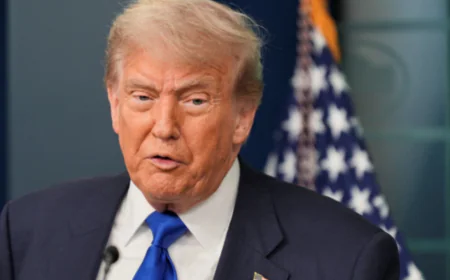
In an aggressive escalation of trade tensions, former U.S. President Donald Trump slapped on high new tariffs on Indian goods, citing India's purchase of Russian oil.

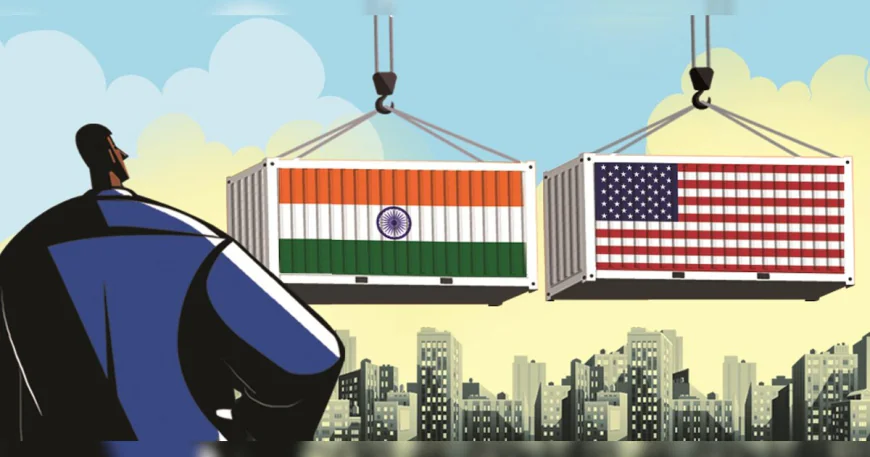
In an aggressive escalation of trade tensions, former U.S. President Donald Trump slapped on high new tariffs on Indian goods, citing India's purchase of Russian oil. This latest move was issued just hours before another new wave of tariffs went into effect, capturing global attention and now setting the stage for another showdown between Washington and New Delhi.
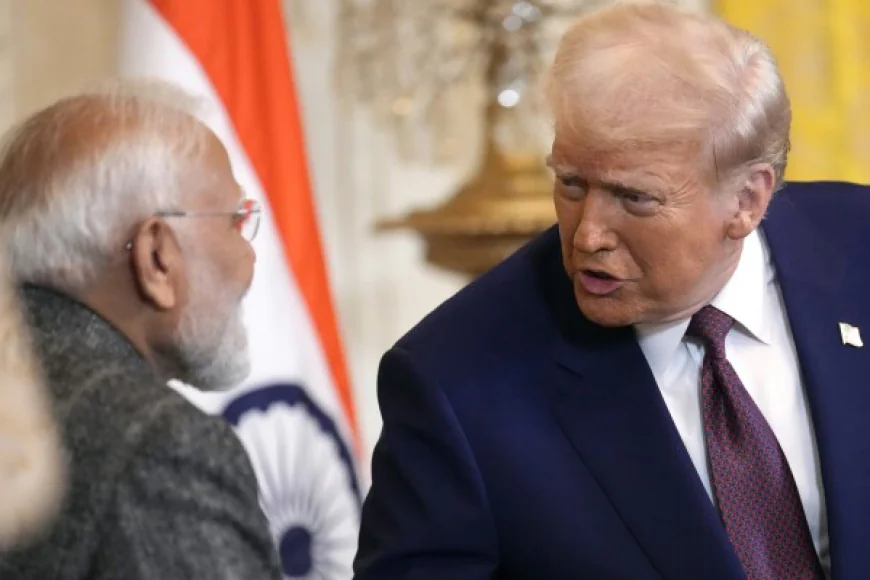
The latest round of tariffs will levy an additional 25% duty on many Indian exports to the U.S., starting in three weeks. This newly revealed tariff will sit on top of an existing 25% tariff that is already scheduled to take effect on Thursday, adding a total of 50% tariff to many Indian products.
The Trump camp makes the announcement as a unilateral sanction intended to pressure India to follow U.S. foreign policy more closely, especially regarding its relationship with Russia. Trump has warned of the risk of imposing secondary sanctions on Indian companies and financial institutions dealing with sanctioned Russian entities. India replied that it will not bend to external pressures, and will follow its own energy and foreign policy choices in its national interest.
India Makes a Stand
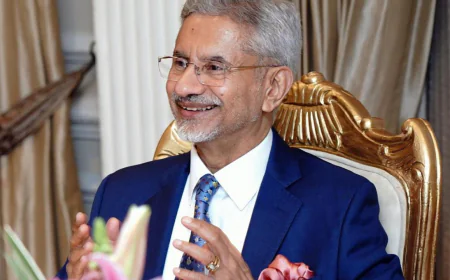
New Delhi is standing firm, despite mounting pressure. Indian officials have emphasized that Russian oil is critical for affordable energy access and energy stability. They maintain that the country cannot afford to compromise its economic security for some other agenda, even in the realm of foreign policy.
In a statement, an Indian government spokesman said: "We want to have a balanced and pragmatic foreign policy, and our energy choices are determined by economic considerations, not the dictates of foreign political agendas."
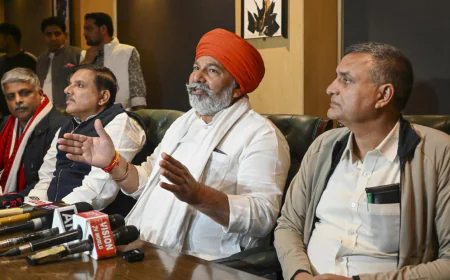
India's position has garnered support from several other emerging economies, which see the tariffs as an unfair use of economic coercion; many also note that punishing India for making its own sovereign decisions, is an alarming precedent for international trading relationships.
Global Consequences
It is hard to view this turn of events without consideration of the implications for the already stressed U.S.-India trade relationship. Importers in the United States and exporters in India know without hesitation that supply chains and costs are going to change significantly, especially in textiles, pharmaceuticals, auto parts, etc.
With some nervousness, the markets responded, and Indian exporters are already talking about seeking help from the government to offset losses. U.S. businesses customers of Indian goods also are already issuing warnings of rising prices and disruptions to their business operations.
Conclusion
As the world awaits the outcome of this drama between two of the world's largest democracies, questions remain: Will Trump exert enough pressure to change India's position? Or will India's action and defiance generate a larger world response to unilateral economic actions? For now, one thing is certain: global trade just became a little more unpredictable.