































Prime Minister Modi’s Malaysia Visit Signals Strategic Reset in India–Southeast Asia Relations
Prime Minister Narendra Modi’s Malaysia visit in February 2026 focuses on strategic partnership, trade, diaspora outreach, and India’s Act East policy.

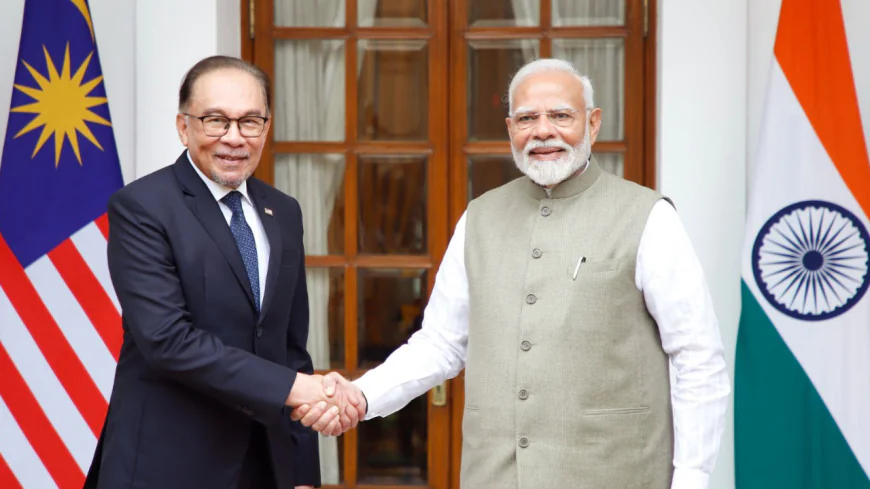
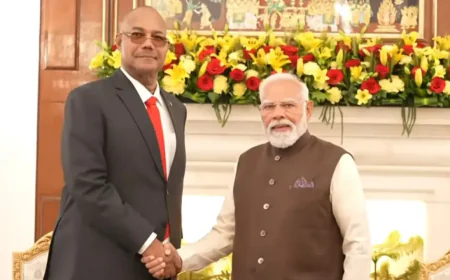
In a move seen as a key part of India’s Act East Policy, Prime Minister Narendra Modi will visit Malaysia for two days on the 7th and 8th of 2026. This visit follows an invitation from Malaysian Prime Minister Anwar Ibrahim and marks Modi’s third trip to the country. It’s also the first since India and Malaysia upgraded their relationship to a Comprehensive Strategic Partnership in August 2024. The visit comes amid shifting regional power dynamics, supply-chain changes, and Malaysia's preparations for its 2026 Visit Malaysia tourism campaign.
During the visit, Modi and Anwar will discuss cooperation in trade, defense, energy security, and digital technologies. These areas are urgent as both nations seek to reduce reliance on traditional allies. The visit coincides with the 10th India-Malaysia CEO Forum, showing New Delhi's commitment to being a long-term economic and technological partner in Southeast Asia. Moreover, it carries symbolic weight, reflecting India's effort to use soft power to strengthen ties with its diaspora.
Diplomatic Ties to Strategic Partnership
India and Malaysia have maintained friendly relations but have not fully utilized their potential. Trade, defense exchanges, and people-to-people connections have grown significantly over the last decade, leading to the 2024 decision to establish a Comprehensive Strategic Partnership. This step is not just symbolic; it focuses on maritime security, semiconductor supply chains, and energy transition. Closer collaboration is appealing due to Malaysia's strategic location along major sea routes and India’s rising ambitions in the Indo-Pacific. Modi's return symbolizes continuity rather than novelty, aiming to institutionalize benefits instead of just making flashy deals.
Economic and Diaspora Dimensions Take Center Stage
Economic interaction is a key focus of the visit. The 10th India-Malaysia CEO Forum will address industries like artificial intelligence, renewable energy, and semiconductors—fields where both nations face challenges. A planned outreach event, "Selamat Datang Modi Ji," is expected to draw up to 18,000 members of Malaysia's 2.9 million-strong Indian community. While these events foster goodwill, critics argue they may overshadow real policy outcomes unless paired with tangible economic results.
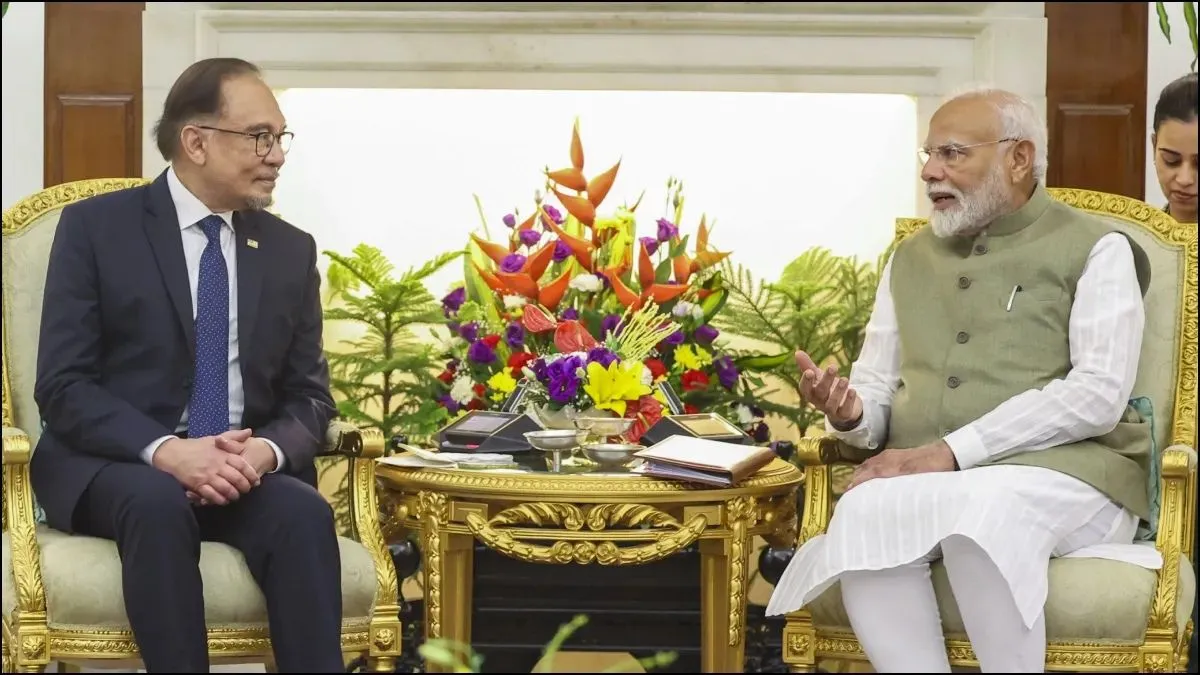
M Modi’s third visit to Malaysia
Prospects: Opportunities and Restraints
This visit allows India to strengthen its presence in Southeast Asia, especially as regional states seek strategic autonomy amid great-power competition. However, challenges remain. Growth may be limited by trade imbalances, regulatory hurdles, and geopolitical sensitivities. For Malaysia, balancing relationships with India and its ties to China and Western economies will be crucial.
Prime Minister Modi's 2026 trip to Malaysia is not a game-changer but a chance for consolidation. It underscores India’s goal to be a reliable long-term partner in Southeast Asia. The real test lies in whether this visit leads to lasting impacts after the ceremonial exchanges fade. The critical question is whether symbolism and strategy will finally align.