


































Legal Heat Reaches Ride Hailing Boardroom: Action Taken Over Consumer Complaint
The Goa consumer commission’s decision to issue a bailable warrant against Ola CEO Bhavish Aggarwal signals stricter enforcement of consumer protection laws. The case highlights the rising importance of corporate accountability, effective grievance handling, and regulatory compliance within India’s expanding digital service industry.

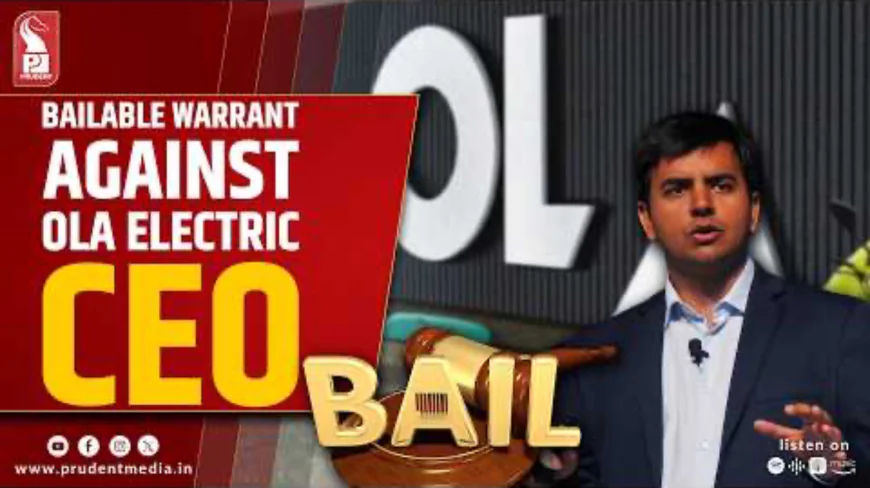
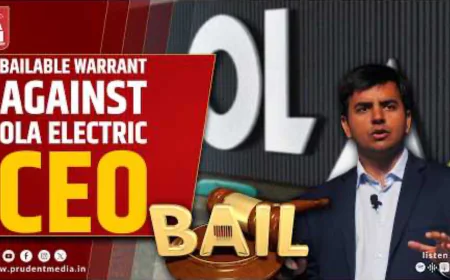
A recent development in Goa’s consumer rights landscape has drawn national attention after the Goa State Consumer Disputes Redressal Commission issued a bailable warrant against Bhavish Aggarwal, the Chief Executive Officer of Ola. The decision stems from an alleged failure to respond to a consumer dispute, raising questions about corporate accountability and customer grievance redressal mechanisms in India’s rapidly expanding digital service sector.
Consumer Complaint Sparks Legal Action
The controversy reportedly began when a customer filed a complaint concerning service related grievances linked to Ola’s ride booking platform. The complaint highlighted dissatisfaction with service delivery and alleged lack of resolution despite repeated attempts to communicate with the company. The consumer commission had earlier summoned company representatives seeking clarification and compliance.
However, authorities noted that the company leadership failed to respond or appear before the commission despite receiving notices. The absence reportedly compelled the commission to escalate the matter legally, resulting in the issuance of a bailable warrant against the CEO. The step is seen as an attempt to ensure accountability and reinforce the seriousness of consumer protection laws.

Strengthening Consumer Rights in Digital Services
The case underlines a growing trend where consumer courts are extending strict scrutiny to digital platforms and technology based service providers. As online ride booking services become integral to daily transportation, customer disputes regarding cancellations, fare discrepancies, safety concerns, and refund issues have increased. Legal experts suggest that such actions highlight the judiciary’s willingness to hold major corporate entities answerable under consumer protection regulations.
The commission’s move is also interpreted as a reminder that company leadership can be directly held responsible when organisations fail to address customer complaints adequately. This reflects the evolving nature of India’s consumer protection framework, where the emphasis is shifting toward quicker dispute resolution and stricter enforcement of compliance.
Corporate Responsibility and Industry Implications
For Ola, one of India’s leading ride hailing platforms, the legal development may have reputational and operational implications. Industry observers believe that companies operating in digital service ecosystems must strengthen customer support infrastructure and legal compliance teams to avoid similar situations. The case also highlights the importance of maintaining transparent grievance redressal systems and timely communication with regulatory bodies.
Many experts view this incident as part of a broader push toward building consumer trust in digital marketplaces. As India witnesses rapid technological adoption, ensuring user protection remains a key priority for regulatory institutions.