





































Nipah Alert in West Bengal: Two Nurses Infected, 196 Contacts Traced as Health Agencies Race to Contain Virus
Two Nipah virus cases confirmed in West Bengal as of January 26, 2026. Health authorities intensify surveillance, trace 196 contacts, and probe hospital and bat-linked infection sources.


According to the official health authorities, there are two confirmed cases of the Nipah virus in India, both of which were detected in West Bengal, as of January 26, 2026. The National Institute of Virology (NIV), Pune, verified the cases, and they were two of the nurses employed in a privately owned hospital in the outskirts of Kolkata. The medical staff members were said to be showing symptoms at the end of December 2025 and first week of January 2026, and then they were immediately tested, and contained. The Union Health Ministry also reinstated that the claims of five suspected infections were not true and were speculative given the speculation that there were more cases than there were. Health officials said that every 196 people who were confirmed as having contacts with the two infected individuals were tracked down, put on medical surveillance and tested, and all tested negative to the virus. There are no additional cases that have been identified. The health authorities in the central and state agencies are on high alert, and stringent procedures on the public health, isolation procedures and monitoring systems are in place to curb any possible spread. Governments have indicated that the condition is under containment yet keep a close-up on the situation because of the high mortality rate of the virus and its past outbreak in India.
Source of infection
Health officials are still carrying out investigations on the exact cause of the Nipah virus infection identified in West Bengal in late 2025 and early 2026, with no firm conclusion being identified yet. The authorities are looking at two main routes of transmissions. The former is person-to-person and is in a healthcare facility because both confirmed patients are nurses in the same private healthcare establishment in the vicinity of Kolkata. Researchers are also looking into the possibility of the virus being contracted when an elderly patient died in December 2025 after experiencing severe respiratory distress and fever and was not tested with regards to Nipah before her death. The second scenario to explore is zoonotic infection which is associated with fruit bats. The situation was caused by the fact that one of the nurses was reported attending a social event in Nadia district, where there is a history of Nipah cases in the region, which is linked to the consumption of raw date palm sap. Epidemiological investigations and contact tracing are being conducted by health officials in order to identify the ultimate source and stop further outbreak.
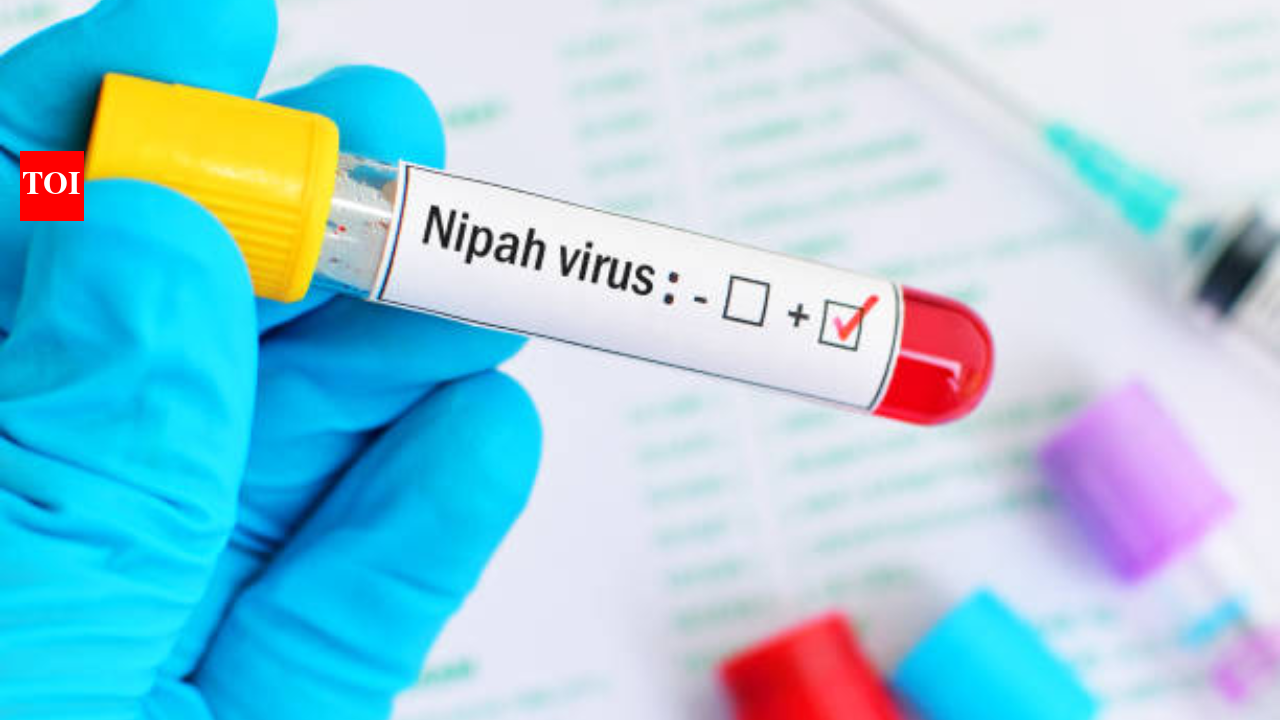
West Bengal Intensifies Nipah Surveillance with Contact Tracing, Testing, and Bat Studies
The situation of the Nipah virus in West Bengal is still under control through surveillance which is still active and strong as on January 26, 2026, with both the central and state health agencies working together. Officials have already identified and tracked all the 196 contacts of both confirmed cases all of whom have hitherto tested negative. All high-level contacts continue to be kept at home and subjected to a complete 21 days observatory. The laboratory tests are ongoing with samples being tested at centres such as the National Institute of Virology in Pune and the AIIMS Kalyani. The hospitals in high-risk districts like North 24 Parganas and Nadia have been put on high alert to detect patients with Nipah-like symptoms. Zoonotic surveillance is simultaneously implemented, and the population of fruit bats and environmental samples, such as date palm sap, is checked on the basis of a One Health approach. The public warnings about the need to maintain hygiene and not consume raw sap are being actively spread.