



























Trump Insists India-U.S. Trade Deal ‘On’ After Supreme Court Strikes Down Tariff Powers
Trump confirms India-U.S. trade deal remains on after Supreme Court blocks reciprocal tariffs. New 10% global tariff order issued as negotiations continue.

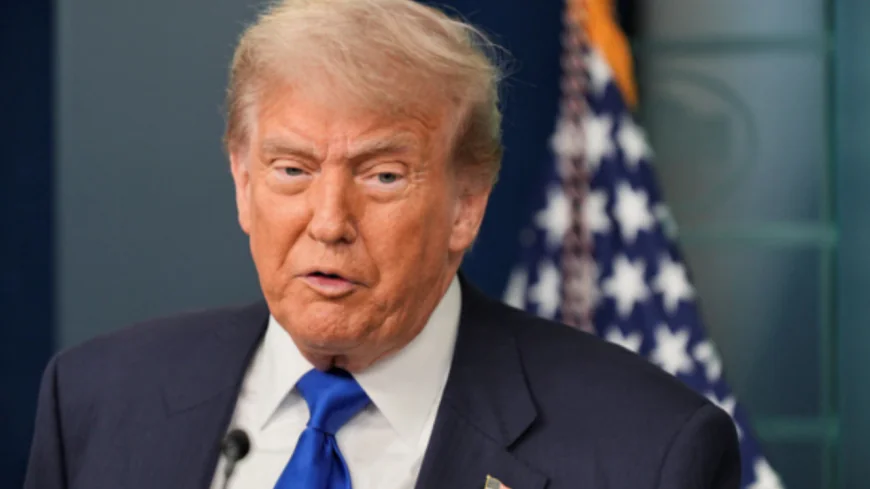
President Donald Trump has reiterated that the India-U.S. trade agreement still stands after the U.S. Supreme Court ruled that his powers to require 18 percent-25 percent reciprocal tariffs using his emergency powers were invalid. The Court decided 6-3 that tariff power is in the Congress. Trump described the ruling as a great disappointment but issued a new Executive Order under which 122 of the Trade Act of 1974 will place a temporary 10 percent global tariff. He insisted that the tariffs will remain on India as the U.S. exports have zero tariffs. The ruling is under consideration by Indian officials with trade talks ongoing.
Tariff Strategy is re-set by Supreme Court Ruling
The U.S. Supreme Court made a landmark 6-3 decision that the President may not utilise the International Emergency Economic Powers Act (IEEPA) to create blanket tariffs in a reciprocal manner. The decision has essentially invalidated the 18%-25% tariffs imposed on Indian products in the past stating that the Congress has the authority over such powers. This decision represents a major constitutional limit of executive authority in trade policy. It is not just a trade correct but a re-tuning of presidential power. The Court has prevented the administration, by restraining emergency-based tariffs, to resort to other statutory measures.
In the case of India, the short-term effect is the technical decrease in tariff burden. But the greater implication is that the U.S trade policy swings are unpredictable. The decision brings some temporary relief but at the same time adds a legal twist to the ongoing talks, particularly as one and the other party strike an interim agreement which is likely to be completed by March 2026.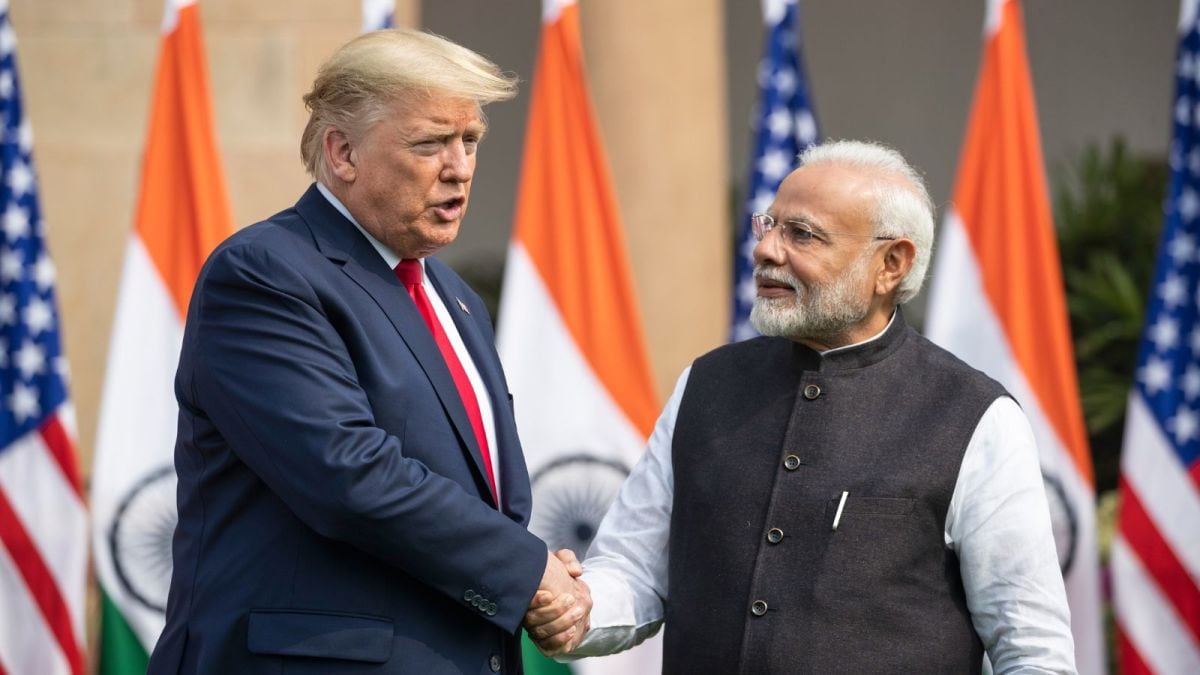
Trump Pivots: 10 percent Global Tariff Order
In a few hours after the decision, President Trump issued an Executive Order pursuant to Section 122 of the Trade Act of 1974, which imposed a 10% global tariff, restricted to 150 days. Describing the decision of the Court as deeply disappointing, he claimed that nothing changes to India, and that the trade deal still is running.
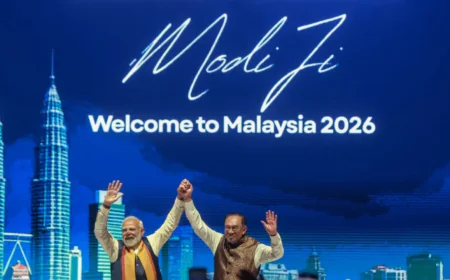
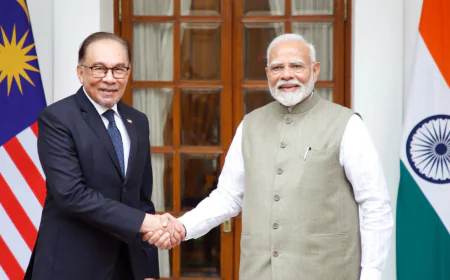
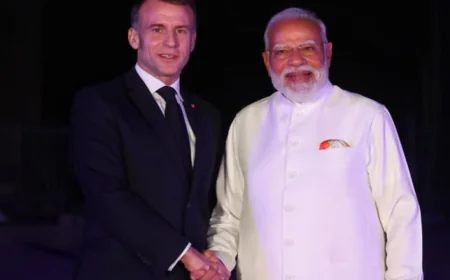
According to Trump, the agreement will be a flipped situation where the U.S. would have zero tariffs on its exports to India but the Indian goods were to remain under duties. He complimented Prime Minister Narendra Modi as a great gentleman and a negotiator when the deal would help in getting favourable market access.
This switching gears in a short period emphasises the Trump strategy: tariffs continue to play the core of his economy doctrine. He did not defect, but reinvented the legal loss as a procedural rule. The action is an indication of further aggression in terms of leverage in trade, despite the limitations of the courts.
Accessibility of Energy and Core Market
In addition to tariffs, the larger structure of the deal revolves around realignment of trade strategies. One of these pillars is the reported Indian determination to cut down on the Russian oil dependence and instead purchase 500 billion of U.S. energy, technologies, and agricultural goods within a period of five years.
As well, India pledged to abolish or lower a tariff on the U.S. industrial products and agricultural produce such as tree nuts and wine. In other Indian exports, the effective tariff rates will rise temporarily to approximately 13.5 percent (3.5 percent base rate and 10 percent surcharge) awaiting legal clarification.
The Indian Ministry of Commerce is contemplating implications on the eve of a delegation attending Washington talks in the week ahead. The provisional agreement should be signed in March and become effective in April 2026, which is an indicator that the negotiations are going in the right direction despite the legal turbulence.