






























Motorcyclist Dies After Falling into Unbarricaded PWD Culvert Pit in Idukki, Sparks Protests
Jeys Benny, 27, dies after falling into an uncovered PWD culvert pit in Thodupuzha, Idukki. Protests erupt as Kerala government orders probe into alleged negligence.

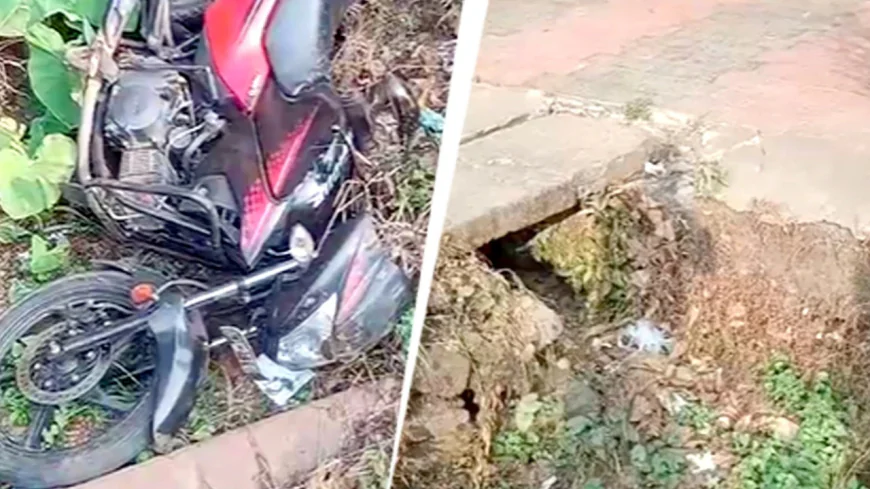
Jeys Benny, a 27-year-old man, died on Monday night after his motorcycle plunged into an uncovered culvert within Thodupuzha in Idukki. The accident happened at approximately 10:45 PM around the Muthalakkodam when he was heading towards the town. The hole had been reported to be a roadside Public Works Department (PWD) culvert construction project hole.
The excavation site was still open more than a month later without the right barricades, reflective warning signs, and lighting according to the local residents. Jeys supposedly lost control of his bike and fell to the deep pit. The video shot by the CCTV cameras is available and it is being spread all over the social media aggravating the anger of people. Jeys was to go back to work abroad in days, which made the tragedy even more tragic to his family.
After the incidence, there were massive demonstrations in Thodupuzha. Local people and political activists, the UDF, BJP members mounted a six hour blockade at the PWD assistant executive engineer office in the demand of criminal prosecution against the responsible officials. A formal investigation by the deputy chief engineer has been ordered by Kerala PWD Minister Mohammed Riyas.
Outcry of Public Indignation over Administrative Alleged Negligence
The murder of Jeys Benny has elicited a huge civil outcry with people blaming the Public Works Department of colossal negligence. According to the locals, the culvert pit was left uncovered and unsecured over one month which is very dangerous to both motorists and pedestrians. No safety barricades, reflective boards, or warning lights were reportedly placed in spite of the many complaints.
The CCTV video of the accident that was viral has increased the scrutiny of the people making questions as to accountability and supervision of current infrastructure projects. It is claimed by locals that the accident is avoidable and that it is indicative of institutional failures to enforce road safety.
The activists have also sought criminal proceedings against officials who are in charge of the project. The UDF and BJP political workers joined locals in having a six-hour blockade at the PWD office in Thodupuzha, which indicated that the matter had ceased being a mere accident to a more substantial governance failure discussion.
Increasing Political Pressure as Government Orders Probe
As criticism continued to mount, the PWD Minister of Kerala Mohammed Riyas directed the official inquiry of the incident. The investigation will be carried out by the Deputy Chief Engineer in order to investigate the possibility of safety protocols being broken in the culvert construction project.
Governments are supposed to evaluate the project schedules, the role of the contractor and adherence to safety standards. The results would either end up in disciplinary or criminal action being initiated against officials or contractors.
Such a reaction of the government as a rapid public announcement of an inquiry shows the gravity of the outcry. Critics however point out that investigations usually come after a tragedy but hardly results in a reform of the system. This has put pressure on the administration to provide ways of showing transparency, accountability as well as ensure tighter safety regulations of roadworks to stop the number of further fatalities.
Open Pit Deaths Increase Greater Concerns of Safety in India
The Idukki tragedy has been compared to other similar open pit deaths that have been reported in other regions of the country with a recent example of a software engineer in Greater Noida. These repeated accidents have raised the wider questions of infrastructure safety and management.
The construction of urban development projects often has an effect on road excavations, but the application of safety barricading norms is often inconsistent. Specialists consider that construction facilities that are temporary must be properly equipped with reflective signs, barricades and lighting in the dark, especially in heavily congested areas.
The recent death of Jeys Benny who was going back to his overseas job in Malta has heightened the need to have a national reform in the management of safety in public works. Civil society organisations are pushing the governments to put in place better supervisory systems and to carry out severe punishment to infractions. The case is a reminder of the high accountability that should be exercised in infrastructure to avert unnecessary loss of human life.