





























India–Malaysia Reset Strategic Momentum as Modi, Anwar Seal Wider Cooperation in Putrajaya
PM Narendra Modi and Malaysian PM Anwar Ibrahim strengthen India–Malaysia Comprehensive Strategic Partnership in Putrajaya, signing 11 agreements on semiconductors, trade, defence, and regional cooperation in 2026.

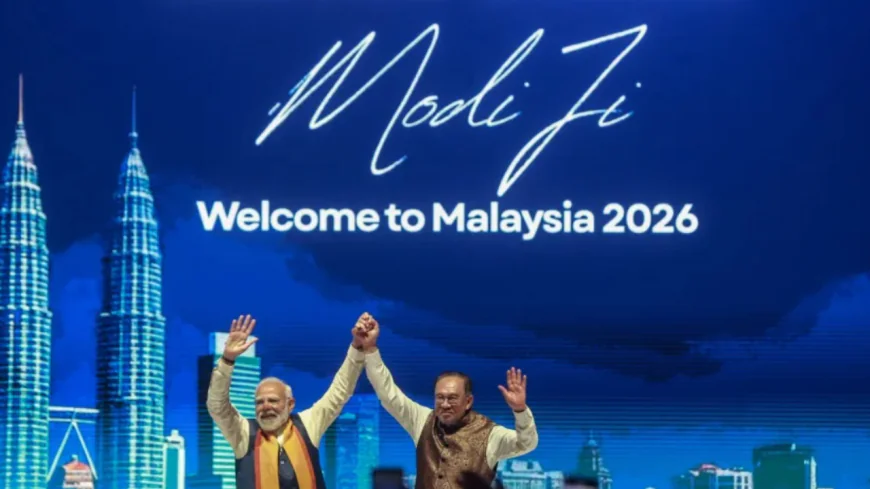
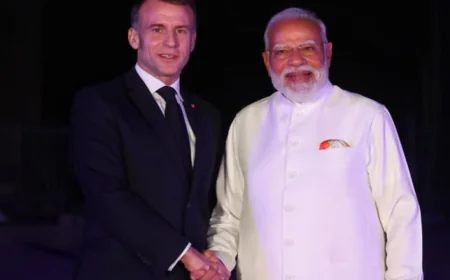
On February 8, 2026, Indian Prime Minister Narendra Modi and Malaysian Prime Minister Anwar Ibrahim reaffirmed their dedication to strengthen their bilateral relationship at a high-level meeting in Putrajaya. The trip marked the first visit by PM Modi to India since India and Malaysia raised the bar of relations to Comprehensive Strategic Partnership in August 2024 and led to the signing of 11 cooperation agreements in the areas of technology, trade, defence, and the regional diplomacy.
Semiconductors become Economic players of choice
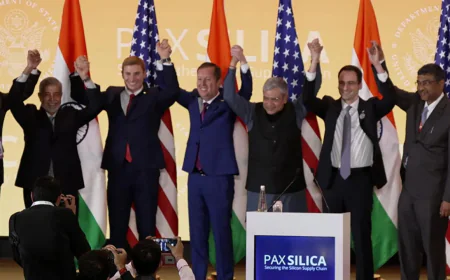
The visit demonstrated an impetus of a new semiconductor cooperation. The fact that Malaysia has strength in the entire semiconductor value-chain, particularly in the areas of assembly, testing, and packaging, makes it an obvious fit with the manufacturing aspirations of India. The agreements will help in technology transfer, exchange of talent and supply-chain resilience.
Why it is important: It was necessary to make diversification a requirement in the post-2024 supply shocks. In the case of India, collaboration with Malaysia also allows the country to have less reliance on the one geography, and Malaysia can find the scale and market depth in India.
Mechanism: Joint R&D, skill mobility structures, and co-investment incentives will help in the transformation of policy intent into production results within the next 2-3 years.

Local Push Signals Financially Speaking
Both leaders promised to introduce local-currency settlement of cross-border trade in order to make the transactions easier and reduce the impact of exchange-rate risks. This move is to open up MSMEs and ensure that the country is not dollar-dependent, as bilateral trade is already strong.
What is changed: Exporters of goods can settle faster, and pay less in hedging, and enjoy better liquidity.
When it pays off: As volumes grow PM Anwar Ibrahim said that he is confident that trade would surpass the past year of $18.6 billion and then the use of local currencies would become a norm in some sectors within one year.
Defence, Diplomacy and the Borneo Outreach
They announced new programmes in the area of defence cooperation, disaster management, and peacekeeping, where interoperability and trust are key. Malaysia too came up in support of the India proposal to establish a new Indian consulate in Sabah on Borneo island, which enhanced the Indian diplomatic presence in East Malaysia.
The importance of Sabah: It boosts human-to-human relations, maritime security, and connexion with Indian diaspora and business in the area.
Regional signalling: The action consolidates the Act East policy of India and it is in line with the interests of Malaysia concerning regional stability.
In a common statement issued by the Prime Minister office and carried by The Hindu, they emphasise on a collective vision to go beyond economic to food security, healthcare, and tourism. Evaluated about its criticality, the visit represents the change of intent to implementation: semiconductors give ballast to the economic logic, local-currency trade introduces financial realism, and defence-diplomatic measures provides strategic ballast. The second test is implementation - an effort to transform initiatives into quantifiable results by 2027.