
























Indian Football at a Crossroads – ISL Governance Shake-Up Could Redefine the Game
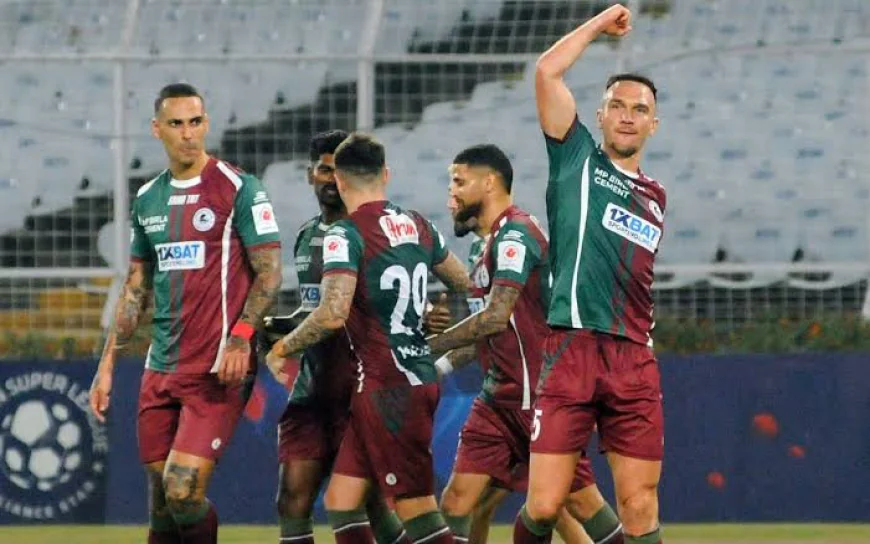
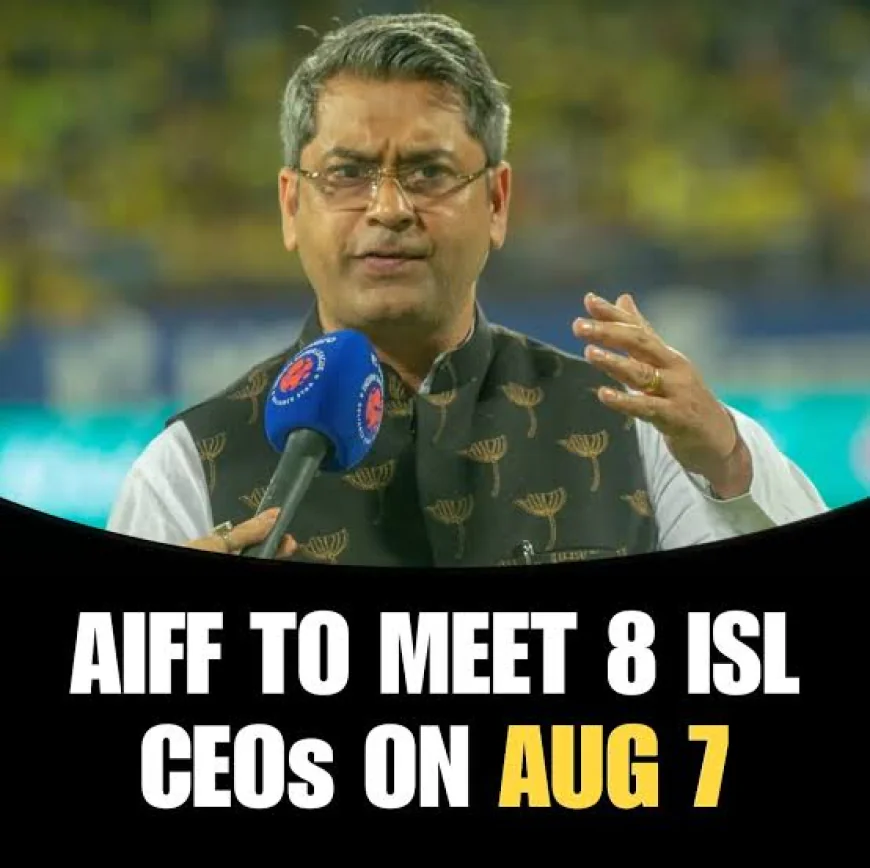
The All India Football Federation (AIFF) and Football Sports Development Limited (FSDL) are in high-level talks to decide the future structure of Indian football leagues, including the Indian Super League (ISL). The decisions expected by December 2025 could transform the sport’s ecosystem, from grassroots development to professional clubs, marking a turning point for football in India.


Changing Dynamics of Indian Football
For years, the ISL has been the face of Indian football, bringing glamour, investment, and international players to the sport. However, critics argue that while the league has boosted viewership, it has not significantly improved grassroots talent development or strengthened the domestic league structure. With the FSDL-AIFF contract nearing its end in December 2025, talks are underway to redefine the relationship between the two bodies. This moment could reshape how football is governed and promoted in the country.
What’s at Stake?
The AIFF’s priority is to ensure that Indian football grows holistically, not just through a glamorous top-tier league. There are discussions about introducing a promotion and relegation system, which would allow clubs from state and district levels to climb to higher divisions based on performance a structure followed globally.
For FSDL, which has invested heavily in marketing and broadcasting, the focus remains on commercial viability. Balancing these two priorities grassroots growth and financial stability will be critical. If handled well, this restructuring could create a sustainable pathway for young players and smaller clubs to reach the national stage.
Impact on Grassroots Football
One of the biggest criticisms of the current system is the lack of direct benefit for grassroots football. The proposed reforms aim to channel part of the league’s revenue into youth academies, infrastructure development, and coaching programs. This could help nurture talent from small towns and rural areas, giving India a stronger pool of players for international competitions.
A Defining Moment Ahead
The outcome of these negotiations will not just decide the future of the ISL but the entire footballing ecosystem in India. If the AIFF and FSDL can strike the right balance between commercial success and developmental priorities, Indian football could finally move closer to global standards. By December 2025, fans and stakeholders alike will know whether this shake-up sparks a new era — or another missed opportunity for the beautiful game in India.