


























Seven in the Shadow: Inside the Terror Module Busted Before the Red Fort Blast
Meet the 7 men who are believed to be responsible for the pre-Red Fort blast terror module unravelled by police: Their family background, involvement, and the shocking climax of events that led to their arrest.

A Chilling Early Morning Reveal
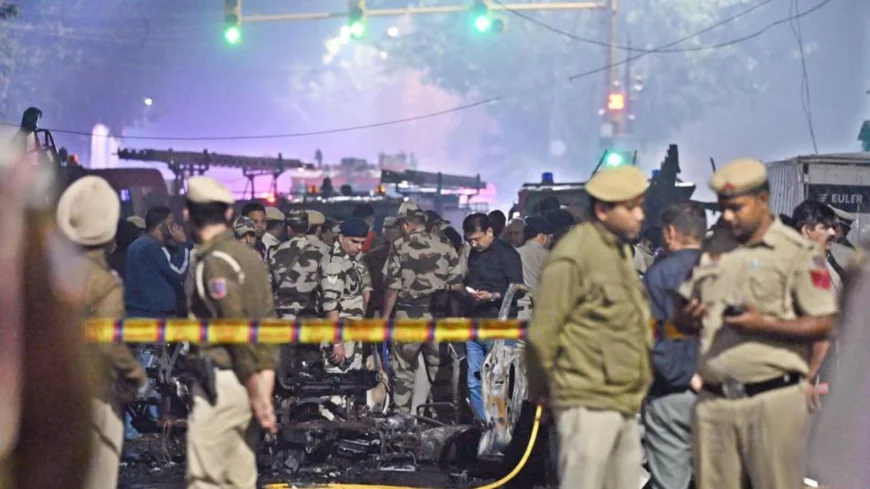
It was only a few hours before the terrible blast at Red Fort Delhi killing nine people that Jammu & Kashmir Police made the big announcement about a terror module of "inter-state and trans-national" nature being dismantled. So, the arrest of the organ was like a very unexpected prelude to the shocking incidents that were about to hit the city.
Who Were the 7 Arrested?
Seven members of a group were named by the Police, highlighting that all terrorists were between 22 and 30 years old and had no previous criminal records. The individuals are:
Dr. Muzammil Ahmad Ganai— Locally, he is a Pulwama native and outwardly a good teacher in Faridabad who was seized along with 358 kg of the explosive material.
Dr. Adeel Rather — He hails from Anantnag and is a young medical resident caught in Saharanpur.
Molvi Irfan Ahmad — Shopian-based Imam; accused of radicalizing the module.
Arif Nisar Dar — Was a resident of Nowgam, Srinagar; communication was kept among Dar, Ganai, and Irfan.
Yasir-ul-Ashraf alias Sahil — Was a helper at a family shop in Nowgam; module operative.
Maqsood Ahmad Dar alias Shahid — Accountant at a local iron and steel shop in Nowgam.
Zameer Ahmad Ahanger alias Mutlasha — Jobless, Wakura, Ganderbal, native.
Modus Operandi: The Hidden Gears of Terror
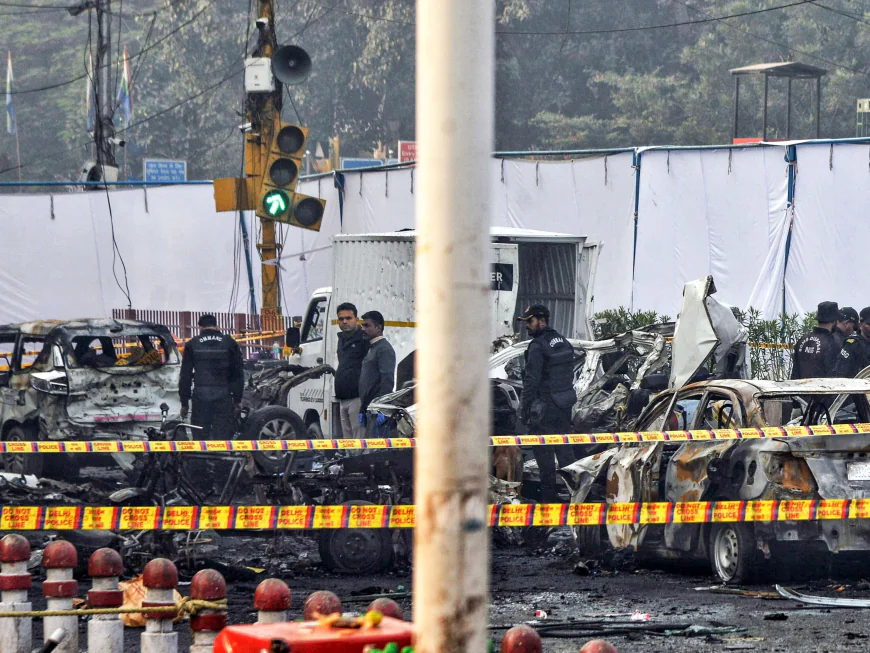
Authorities had it that the group relied on encrypted channels to implement activities such as indoctrination, coordination, fund-movement, and logistics. Money was disguised as social or charitable projects routed through the academic and professional networks. The police also recovered approximately 2900 kg of the material needed for the making of IEDs—explosives, chemicals, circuits, batteries, wires, and remote controls.
From Students and Clerics to Terror Network
The main thing that the module’s diversity helped the terror network was: two doctors, a cleric, a small-business worker, a shop-assistant, an accountant, and an unemployed man. The only thing that tied them together was radicalisation and a cross-region network linking Jammu & Kashmir and the Delhi-NCR region — a scary demonstration of the terror networks’ indomitable evolution in terms of professions and states.
Why This Matters Now
This time the police succeeded in breaking up the module that the perpetrators embedded terror activities in their professional lives and could easily cross state borders. The resort time is pointing toward the unfolding of the conspiracy on a large scale. The arrested men provide a peep window into this network’s organization, influence, and readiness.
Final Word
The seven arrests signal a major upheaval of a well-planned terror operation. However, they also shed light on the issue of how individuals leading seemingly normal lives can turn and become vehicles of extremism.
As the investigation progresses, this case may dramatically alter our perception of the internal security environment.