


































Galaxy Guardians: Samsung’s Phones & Watches Could Detect Alzheimer’s Early Starting Today, Sep 22, 2025
Leading-edge technologies developed by Samsung for Galaxy phones and smartwatches provide an early warning system for Alzheimer's by monitoring digital biomarkers found in typing, voice and sleep patterns.

INTRODUCTION
On 22 September 2025, Samsung leapfrogged into the future of health diagnostics, making a revelation that could dramatically shift the landscape of Alzheimer’s and dementia diagnosis. Their advanced pioneering research projects that the Galaxy ecosystem may be the game-changer in detecting the earliest signs of cognitive deterioration - way before the symptoms commonly recognized would have manifested.
What was the SAR concept revealed by Samsung?
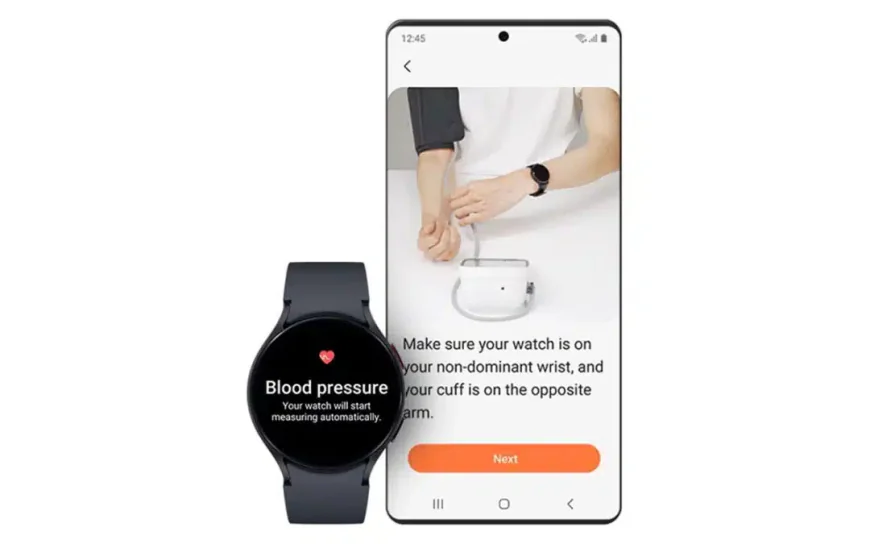
The Samsung research team presents a breakthrough technology for a digital biomarker that detects changes in behavioral patterns by leveraging user data from mobile and wearable devices. Specific patterns include how frequently one uses an app, how fast one types, how often one messages or calls, how one sleeps, and changes in one's voice.
Such continuous observation of minute yet meaningful changes is expected to help the technology highlight possible memory, language or social abilities impairment that may be linked to Alzheimer's disease.

Explanation of the Process
In one example, behavior and cognition were studied by researchers via an analysis of typing on a Galaxy phone keyboard - slower or more error-prone typing may indicate cognitive changes.
Another research venture dealt with walking patterns which were observed by Galaxy Watches. Changes in gait can, therefore, be one of the earliest signs of nervous system decline.
Additionally, the investigation covered memory by asking the patient to recall and repeat a newly heard short sentence, linguistic analysis, and looking at social app and message trends.
Importance and Trustworthiness
Samsung declares that its investigations were ranked among the best 7% at the IEEE Engineering in Medicine and Biology Society (EMBS) conference, held in Copenhagen, hence showing great peer evaluation.
However, the researchers at Samsung go as far as to say that these digital biomarkers 'are like hospital-based tests for dementia that your everyday devices cannot be distinguished from, if verified'.
Afterward
The main point to note is that this detection technology is still under development and in the initial stages of research. It is certainly not going to be available alongside the next Galaxy phone or watch launch.
During the coming years, Samsung plans to accomplish several goals namely; fine-tune the algorithms, heighten the sensitivity, lower the false-positive rate, and get the necessary regulatory approvals. As a result, many users could receive the wisest warnings long before the onset of severe symptoms.
This is the Reason It is Important
If Alzheimer’s can be detected early, it will considerably change the treatment options and the overall patient's quality of life. Imagine if your phone or watch could predict cognitive difficulties long before you notice them yourself, wouldn't you be more able to get medical help, do lifestyle changes, or begin therapy sooner rather than later?