







































Robotics and Esports: Reshaping the Future of Sports
The debut of the Humanoid Robot Sports Games in 2025 and the potential Olympic inclusion of esports in 2028 signal a seismic shift in how society defines sports. These innovations highlight technology’s growing role in competition, bridging engineering, gaming, and athletic culture in unprecedented ways.


A New Era of Competition
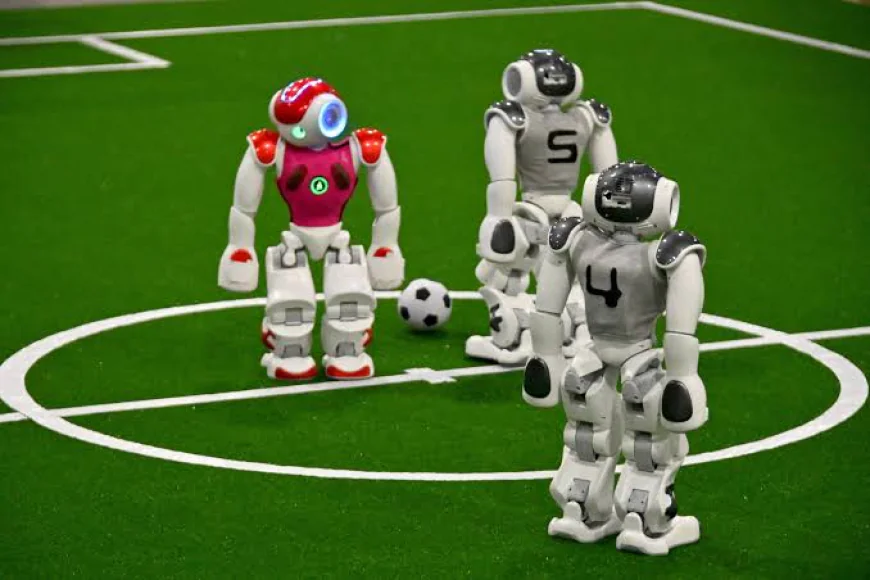
Sports have always evolved with society, from ancient Olympic games to today’s billion-dollar leagues. Now, two groundbreaking trends robotics and esports are redefining what it means to compete. In August 2025, Beijing will host the world’s first Humanoid Robot Sports Games, a historic event that shifts competition from human athletes to human-designed machines. These humanoid robots will compete in sports such as sprinting, soccer, and even gymnastic challenges, showcasing engineering precision alongside athletic movement.

Why Robotics in Sports Matters
This event isn’t just a spectacle; it symbolizes a merging of athletic culture with technological innovation. Engineers and athletes are collaborating to build machines that mimic human abilities, pushing the boundaries of biomechanics and AI-driven motion. For fans, it offers an entirely new viewing experience: a test of coding, design, and endurance rather than just physical strength. Supporters believe robot sports could become a platform for advancing real-world robotics applications, from healthcare exoskeletons to disaster-response machines.

Esports on the Olympic Horizon
Parallel to robotics, esports continues its explosive growth, attracting millions of viewers globally. Competitive gaming has already reached elite status, with international leagues, sponsorships, and prize pools rivaling traditional sports. The International Olympic Committee (IOC) is seriously considering esports for the 2028 Los Angeles Olympics, an acknowledgment of its cultural impact and market potential. Esports tournaments now fill stadiums, and “phygital” events mixing physical and digital competition are becoming mainstream.
Challenges and Cultural Shifts
Traditional sports purists often question whether esports or robotic competitions should be considered “real sports.” Critics argue that these lack the physical human element that defines athletic excellence. However, supporters see them as a natural evolution. Just as snowboarding and skateboarding were once controversial Olympic additions, esports and robotics may follow a similar acceptance curve.
Looking Ahead
Robotics and esports may seem futuristic, but they are fast becoming part of our sporting reality. Both innovations emphasize creativity, precision, and mental agility as much as physical prowess. By 2028, watching humanoid robots compete and elite gamers chase Olympic gold may no longer feel futuristic—it may feel normal.