

































India Ushers in a New Era of Sports Governance with Landmark 2025 Reforms
India has taken a decisive step toward reshaping its sports landscape with the passage of the National Sports Governance Bill, 2025 and the National Anti-Doping (Amendment) Bill, 2025. Approved by the Rajya Sabha on August 12, these reforms aim to inject transparency, strengthen accountability, and align Indian sports administration with global standards—paving the way for cleaner, fairer competition and a stronger Olympic bid.

A Turning Point for Indian Sports
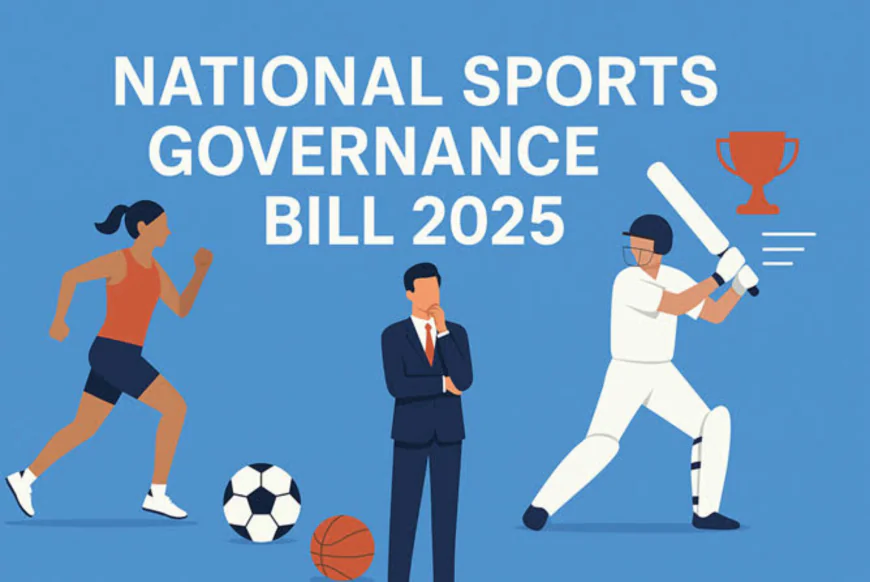
The approval of the two bills marks one of the most significant reforms in Indian sports policy in decades. The National Sports Governance Bill, 2025 introduces clear frameworks for decision-making, term limits for office bearers, and independent oversight of national sports federations. This is designed to end years of opaque functioning and political interference that have often hindered athlete development.

For the first time, athletes will have a formal mechanism to voice concerns and participate in shaping policies that directly affect their careers. Sports bodies will be mandated to publish annual financial and performance reports, making them accountable not just to the government but to the public and the athletes they serve.
Stronger Anti-Doping Measures
The National Anti-Doping (Amendment) Bill, 2025 strengthens India’s fight against performance-enhancing drugs. It brings domestic policies in closer alignment with the World Anti-Doping Agency (WADA) code, introduces stricter penalties for violations, and expands the scope of testing beyond elite athletes to include state-level competitions.
Perhaps most importantly, the amendment prioritizes athlete education. It mandates annual workshops on doping awareness, ensuring that young sportspeople understand both the health risks and the career-ending consequences of using banned substances.
Boosting India’s Global Sports Ambitions
These legislative changes are not happening in isolation they align closely with India’s growing ambitions on the world stage. With the country eyeing a strong bid for the 2030 Commonwealth Games and the 2036 Olympics, a reputation for clean governance and anti-doping compliance is essential.

International sports bodies have often criticized India for governance lapses and delayed reforms. This legislative push directly addresses those concerns, signaling that India is serious about meeting international expectations.
The Road Ahead
While the bills lay a strong foundation, their success will depend on rigorous implementation. Ensuring independence of oversight bodies, avoiding political favoritism, and protecting whistleblowers will be key challenges. If executed effectively, these reforms could usher in a new era where Indian athletes are empowered, federations are transparent, and the nation’s sports reputation shines brighter on the global stage.