



















India Ignore Mohsin Naqvi After U19 Asia Cup Final, PCB Chairman Joins Pakistan Celebrations
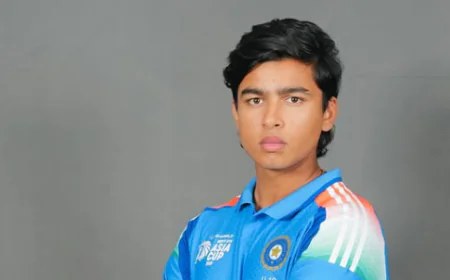
After the U19 Asia Cup final, a brief but noticeable moment off the field drew attention as Indian officials chose not to engage with PCB chairman Mohsin Naqvi. The incident contrasted sharply with the celebratory scenes that followed, where Naqvi joined Pakistan’s victorious camp, highlighting the continued strain in India Pakistan cricket relations.


A Quiet Moment After a High Pressure Final
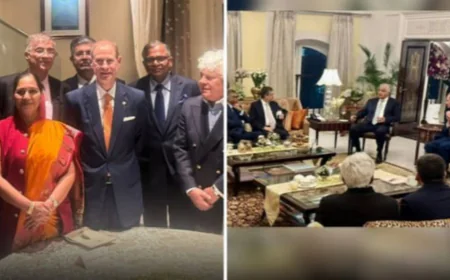
The U19 Asia Cup final delivered intense cricket and youthful passion, but it was what happened after the last ball that sparked conversation. As formalities concluded, PCB chairman Mohsin Naqvi was seen greeting officials and dignitaries. Indian representatives, however, did not acknowledge him, opting to move on without interaction. The moment was brief, yet it did not go unnoticed by spectators and social media users who closely follow Indo Pakistan cricket dynamics.
Context Beyond the Boundary Line
Cricketing ties between India and Pakistan have long been shaped by political realities. Encounters are largely limited to multi team tournaments, and off field interactions are often cautious. The decision by Indian officials to avoid engagement with Naqvi was seen by many as an extension of this long standing approach rather than a reaction to the match result itself. For the young players, the focus remained on the game, but administrators inevitably carried the weight of larger relations.
Pakistan’s Camp Embraces the Moment
In contrast, Mohsin Naqvi’s presence in the Pakistan camp stood out. He congratulated the players, posed for photographs, and was visibly involved in the celebrations. For Pakistan’s U19 team, the victory was not just a trophy but a validation of their development system. Naqvi’s participation sent a clear message of institutional backing and pride in the next generation of cricketers.
Reactions and Interpretations
Fans offered mixed reactions. Some Indian supporters defended the stance, arguing that official distance aligns with current policy. Others felt that junior level cricket should allow space for sporting courtesy. Pakistani fans, meanwhile, viewed Naqvi’s involvement as a positive sign of leadership and unity within their cricket structure.
Sport and Diplomacy at Youth Level
The episode served as a reminder that even youth tournaments are not immune to broader diplomatic realities. While the players shared handshakes and mutual respect on the field, administrators reflected the complexities beyond it. As U19 cricket continues to shape future stars, many hope that the spirit of the game eventually finds more room than politics in moments like these.