





































ICC Ban on Runner Rule in International Cricket
The ICC’s 2011 ban on runners was primarily aimed at preventing misuse and promoting higher fitness standards in international cricket. Although controversial initially, it has streamlined match proceedings and reinforced the importance of fitness and fair competition in modern cricket.

A Turning Point in Modern Cricket
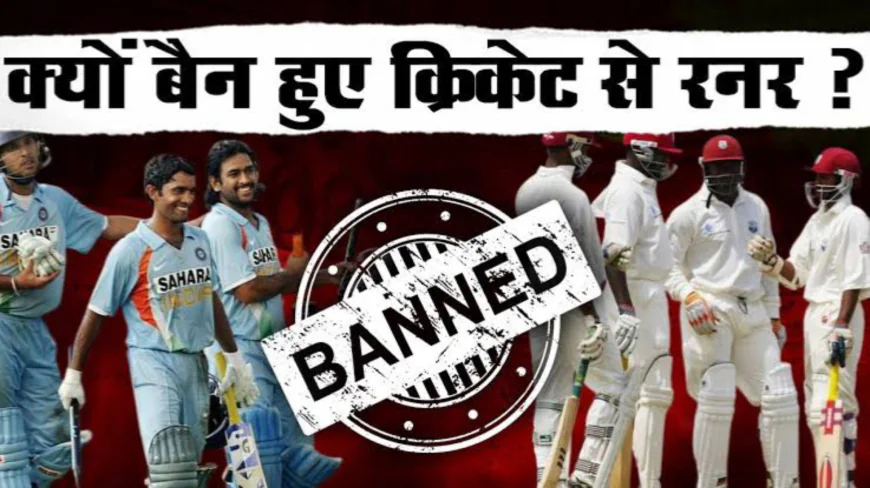
In 2011, the International Cricket Council (ICC) made a landmark decision to permanently ban the use of runners for injured batters in international cricket. Earlier, if a batter sustained an injury during the match and could not run between the wickets, a teammate was allowed to run on their behalf. This rule had existed for decades, aimed at protecting players and ensuring fairness. However, it often became a source of disputes and controversy, prompting the ICC to scrap it altogether.
Why the Ban Was Imposed
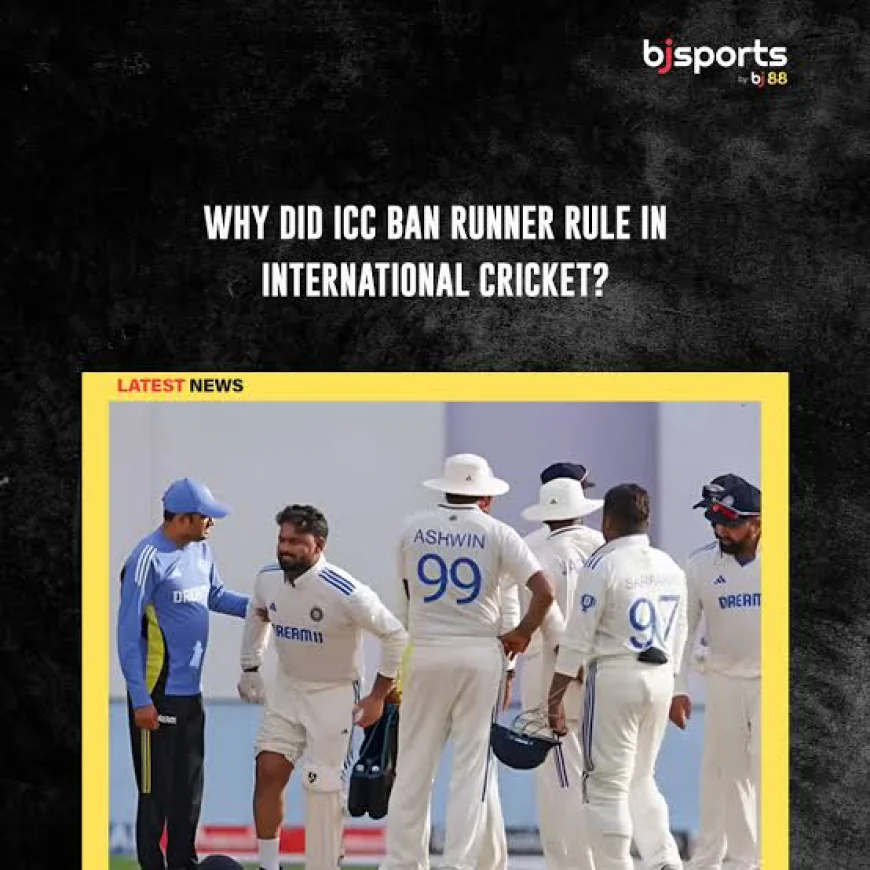
One of the major reasons behind the ban was the potential misuse of the rule. Some batters were accused of exploiting it by seeking a runner despite not having serious injuries. This gave them an undue advantage, allowing them to focus solely on hitting shots without worrying about physical exertion. Furthermore, disagreements between teams over the legitimacy of injuries often disrupted the spirit of the game and caused unnecessary delays.

Another factor was the evolution of cricket itself. With advancements in fitness standards, professional players were expected to be in peak condition. The ICC emphasized that physical fitness is an essential aspect of modern cricket, and running between the wickets is a core skill. Thus, if a player is not fit enough to run, they should either retire hurt or adapt their batting style accordingly, rather than rely on external assistance.
Impact on the Game
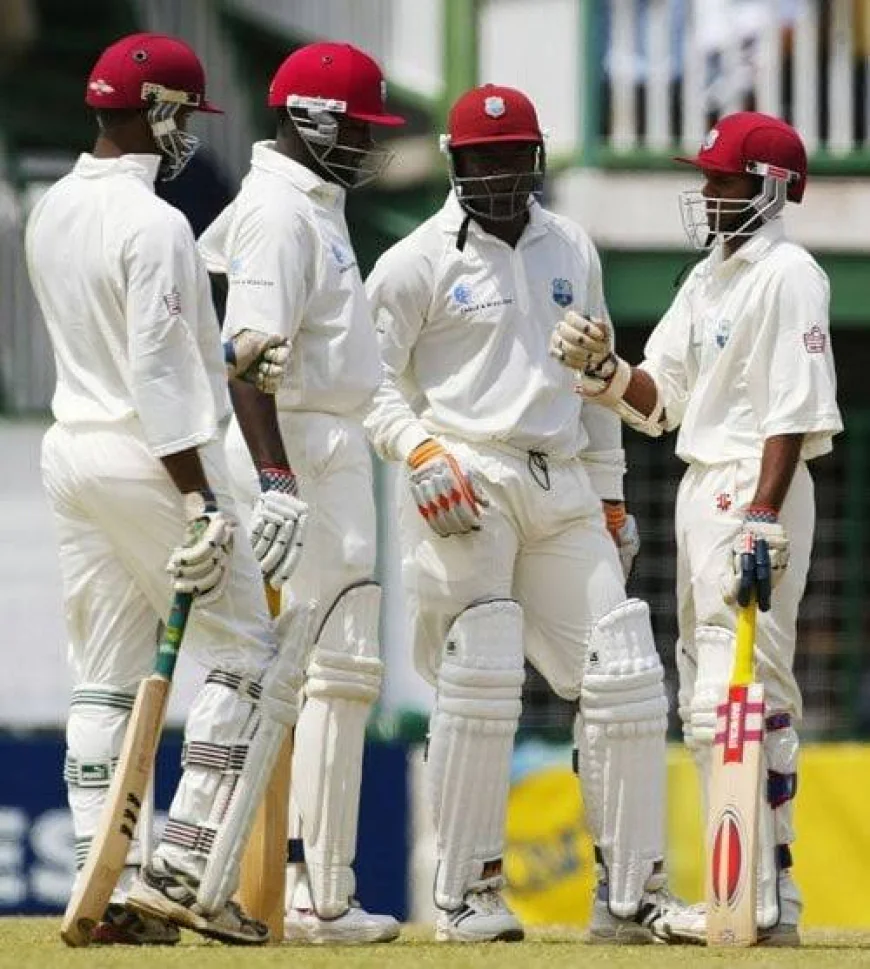
The ban significantly changed how players approach their fitness and match preparation. Injured batters now have to continue running on their own or leave the field, which has increased accountability and reduced controversies. While some argued that the rule was harsh on players who suffered injuries mid-match, the overall consensus supports the ICC’s decision as a step toward fairer and faster gameplay.