





















History Made in Jaipur: Indian Army Takes Pride to the Streets on 78th Army Day
History was made as the Indian Army celebrated its 78th Army Day in Jaipur on January 15, 2026, hosting the parade in a public area for the first time, strengthening the bond between citizens and the armed forces.

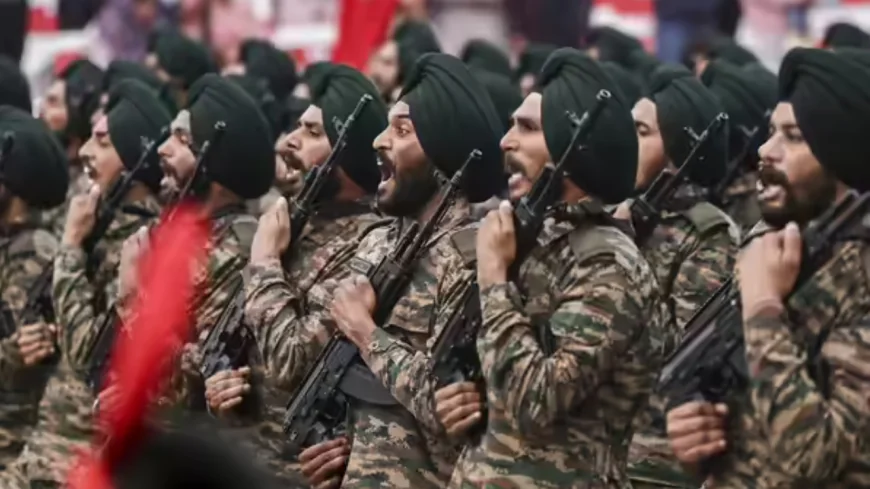
Today was no ordinary ceremony date on the calendar. It will be remembered that on January 15, 2026, the Indian Army will leave its cantonments and enter the midst of the people. It was the first time the Indian Army Day parade was conducted within a population area, and in the middle of a normal, familiar street of Jaipur, Mahal Road in Jagatpura, the Indian Army Day parade was not only a living, breathing monument of bravery, solidarity and national pride. The 78th Indian Army Day marked the legacy of Field Marshal K.M. Cariappa, who became independent India’s first Commander-in-Chief in 1949. However, this year, the message crossed history, it was about connection.
A Parade for the People, By the Army
Long before daylight Jaipur was festive, patriotic in appearance. The great procession started as early as 10 AM and thousands of citizens, including students, women, families, veterans, lined the streets waving flags and yelling as soldiers went past being proud of what they saw. It was meant to move the Army nearer to the people they serve so the decision to conduct the parade in a public venue is not without a reason. The ceremony was headed by Defence Minister Rajnath Sing, Rajasthan Chief Minister Bhajan Lal Sharma, Army Chief General Upendra Dwivedi, and Chief of Defence Staff General Anil Chauhan, and attended by the diplomats of more than 40 countries as a show of India being strong and united. Legendary regiments of soldiers such as Rajput, Madras and Garhwal were smartly dressed soldiers who took part in the march-past. There came a unique time when new Bhairav Battalion was unveiled, which gained a great applause. The Nepal Army Band also contributed to the welcome and use of friendship to remind all of the regional connections that India had.

Strength on Display, Pride in Every Step
The emphasis in the parade changed to transformation, as opposed to tradition. The Army also demonstrated its contemporary power with the accentuation of Indian-made gear. There were huge tanks, missiles, and rocket systems rolling down the road, and the audience was gasping. The message was also unambiguous: India is powerful, ready, and independent. The audience was amazed by the demonstration of how technology is the new companion of a soldier by drones, robotic dogs, and helicopters. Army helicopters were sprinkling flower petals above, and Indian Air Force fighter jets were screaming over them, leading the crowd to applaud and record all the moments. There were cultural shows, like the Kalbelia dance, and Gair dance of Rajasthan, which were a good mix of military training and local culture.
More Than a Parade: A Bond Strengthened
As evening fell, events such as the Shaurya Sandhya ceremony and the Know Your Army fair let citizens interact with the military, ask questions, and learn what life in uniform is like. Kids were picked up and touched military weapons, families addressed troops and pride was in the air. The Indian Army did not just march today but it united, moved, and comforted people. Not only had Jaipur hosted one of the parades, but the Army and the people stood side by side, making it a witness to history. It was an Army Day of proximity and not of decorum; of trust and pride and membership.