





































Who created the QR code? Developed as a game, it now powers UPI, Aadhaar, and WhatsApp logins.
Who created the QR code? Developed as a game, it now powers UPI, Aadhaar, and WhatsApp logins.

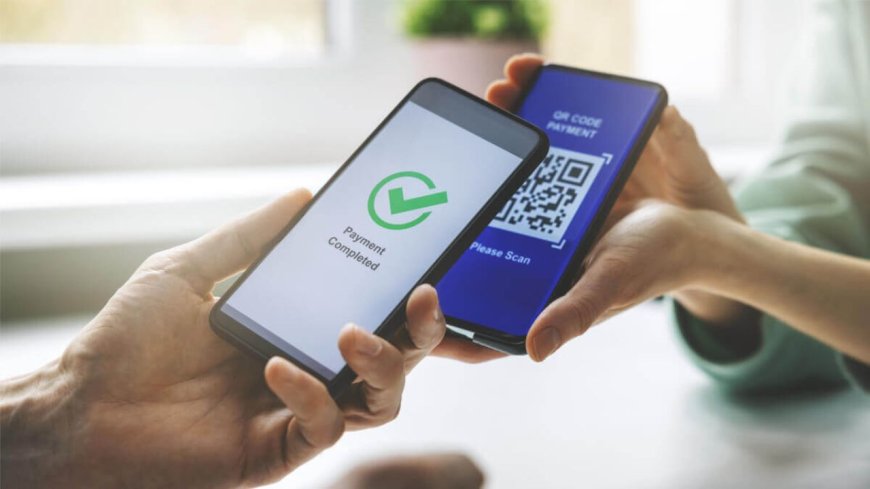
The QR code (Quick Response code) is now something you have to use every day, whether you are paying at a store, using Aadhaar-linked services, or logging into WhatsApp Web. In India's digital environment, from UPI apps to government websites, this black-and-white grid is more than just a comfort. It is also a safe and quick way to send information.
But have you ever thought about where this amazing new technology came from? This is all the information you need.
The QR Code originated in Japan.
Masahiro Hara, a Japanese engineer, came up with the idea for the QR code in 1994. He was working at the time at Denso Wave, a company that is part of Toyota Motor Corporation. The goal was to make a system that could keep track of car parts better than the labels that were used at the time. Masahiro came up with the idea, but Denso Wave improved it and made it available for business use.
A game that triggered a technological revolution.
The idea for the QR code didn't come from a lab or a business meeting, which is surprising. Masahiro got the idea while playing the classic board game "Go," which has a grid of black and white stones that is 19x19.
He also realised that putting forms in the grid in different ways could be used to store complicated data. This gave him the idea for a code that could store a lot of information quickly.
From manufacturing floors to Smartphones
In the beginning, QR codes were only used in manufacturing. Now, they're used for digital payments, Aadhaar identification, WhatsApp logins, reading tickets, and more. Fast reading, mistake repair, and live content changes are some of the best things about this technology. They make it safe and flexible for a wide range of uses.
Remember that it all began in Japan with a simple board game idea the next time you read a QR code to pay or log in to your social media account.