







































Silent Strength: How Screenless Wearables Are Quietly Transforming Fitness Tracking
Compared to the Screenless wearables such as the Whoop and the Oura Ring are essentially altering the manner in which we monitor our health by providing minimalistic designs, in-depth data, and uninterrupted health journeys.

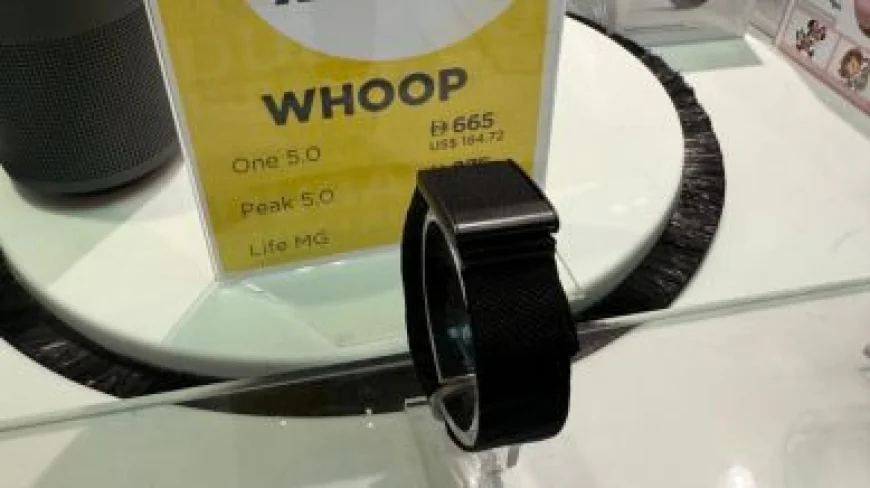
The world we live in is full of glaring screens and non-stop notifications. However, the emergence of screenless wearables has brought to the spotlight the fact that less exposure to the data can often provide more meaningful insights. Devices like the Whoop band and the Oura Ring are exemplifying this notion. By their nature, these gadgets emphasize silent work—collecting health data without being intrusive.
A Quiet Revolution Begins
These stripped-down, minimalist technological solutions are becoming a familiar sight not only at tech events and gyms but also in boardrooms. Rather than depending on visually striking displays, these devices are equipped with sensors and rely on apps to provide more sophisticated health insights. People who use them cannot stop praising the combination of the two—on the one hand, they are potent health monitors, and on the other, they are unpretentious accessories.
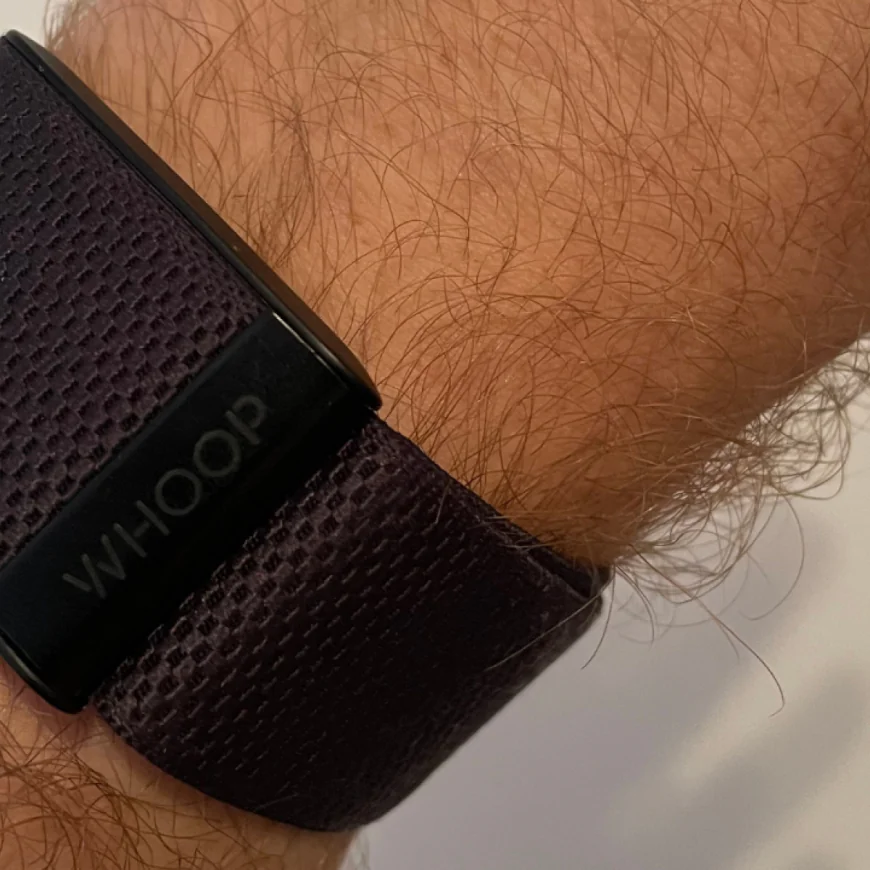
Not Just Steps — Real Physiology
Most traditional wearables are accused of only tracking steps, calories, or even heart rate peaks. Screenless devices, however, are a different cup of tea. Their main focus is on areas such as sleep quality, strain, stress patterns, and recovery cycles. Thanks to these deeper metrics, the devices are extremely attractive to athletes, entrepreneurs, and any person that is serious about performance.
Born From Performance Science
The main idea behind the creation of the Whoop band was very clear from the start: it wanted to help the user avoid overtraining and be the best at recovery. To achieve that, the band relies on monitoring things like heart rate variability and recovery scoring rather than offering flashy features. The Oura Ring is also on the same wavelength, as it uses its design and technology to monitor sleep stages, readiness scores, temperature changes, and more.
Battery Life Meets Simplicity
The fact that these gadgets don't have a screen to power makes their battery life drastically better than those of smartwatches. Besides that, the attractiveness of the products when it comes to their being less visible is what makes them even more valuable. The problem? Most devices depend on subscription models to give users access to their complete data dashboards. Still, many users feel that the insights are worth the cost.
Are Smartwatches Losing Their Charm?
Despite the fact that smartwatches are still in demand, more and more people out of their users try to find alternative distraction-free health tracking solutions. The latter are considered to be the most natural wearables, as they are not in the spotlight but rather blend in with the user's lifestyle. The latter is achieved by users of screenless trackers who go about their day and at the same time these devices are quietly collecting data.
The Future of Discreet Tracking
In the wake of an ever-increasing demand and a very fast indulgence, screenless wearables might be heralding the coming of the next wave of health tech. What makes them so is the mixture of a subtle shape, scientific insight, and long-term tracking, which turns the devices into the user's performance companions rather than just mere digital accessories .