







































Hubble's Sharpest Image to Date of Interstellar Visitor Comet 3I/ATLAS
The Hubble Space Telescope has made history by capturing the best and sharpest image of an interstellar object passing through our Solar System. The comet is named 3I/ATLAS, and it is the third interstellar object known to visit our resident solar system. Although only recently discovered just one month ago, Hubble’s imagery shows an extended and more vivid view than ever.

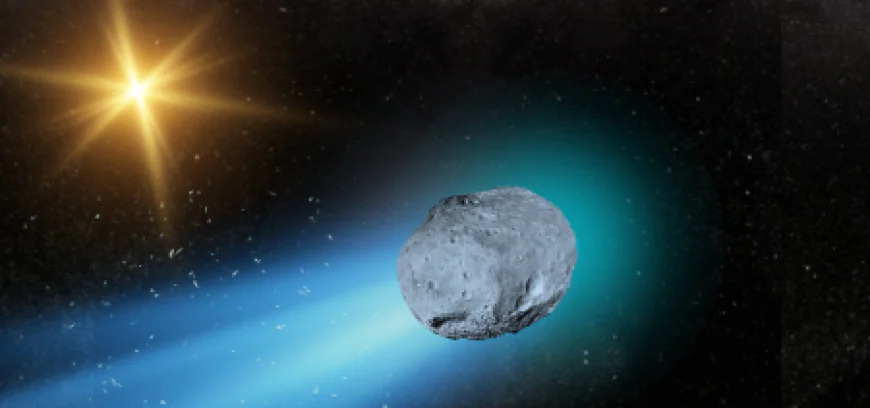
The Hubble Space Telescope has made history by capturing the best and sharpest image of an interstellar object passing through our Solar System. The comet is named 3I/ATLAS, and it is the third interstellar object known to visit our resident solar system. Although only recently discovered just one month ago, Hubble’s imagery shows an extended and more vivid view than ever.
What the Image Reveals
The Hubble image depicts the comet 3I/ATLAS at a distance of approximately 446 million km (277 million miles), which is astonishingly far away in space, but Hubble image wavelength still captures excellent detail. The comet is 3I/ATLAS has a conspicuous icy nucleus draped in a teardrop-shaped plume of dust with a faint, trailing dust tail.
Size and Speed
Due to Hubble's sharp image, scientists have tightened their estimates for 3I/ATLAS's icy core size. They had earlier estimates placing it at tens of kilometers, but now they believe they can conservatively narrow it down to no more than 5.6 kilometers, and possibly as small as 320 meters—nearly impossible to see buried in its blinding shell of dust and gas.
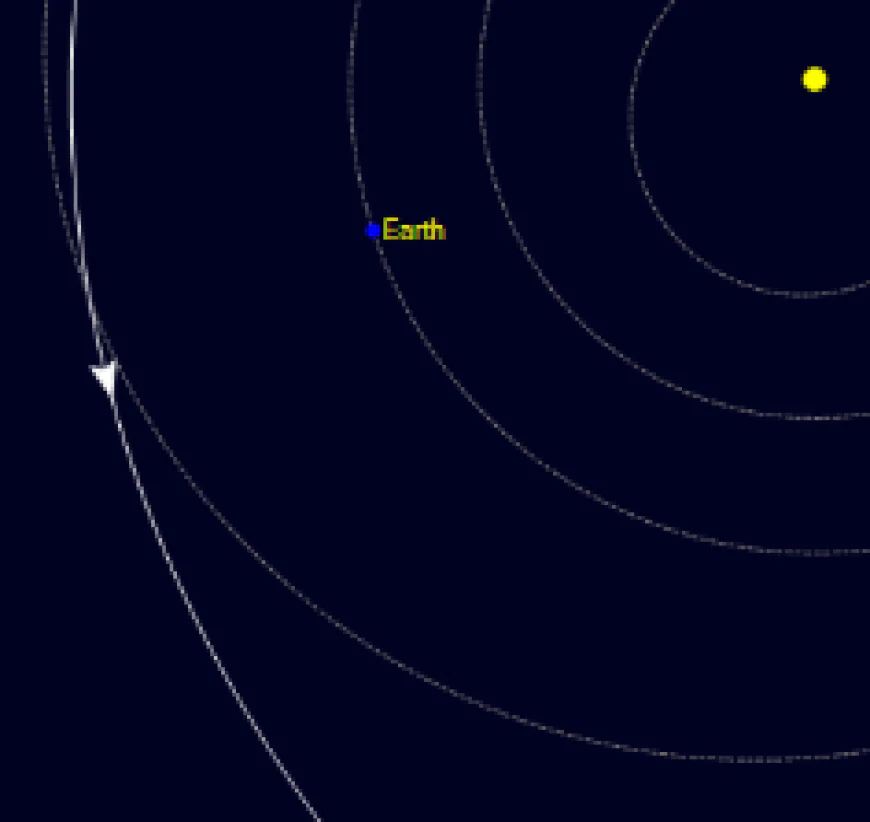
But the comet's speed is what will really wow you. 3I/ATLAS is careening through space at a speed of 209,000 kilometers per hour! That's the fastest object yet observed travelling through the Solar System.
A Known Behavior with an Unknown Source
Interestingly, the dust-loss rate (how much dust is expelled) of the comet is consistent with the types of behaviors we find in ordinary comets in our Solar System. There is information hidden in this similarity. Each of these clues helps astronomers understand the size and composition of the object.
Regardless, 3I/ATLAS is still a fully-fledged interstellar object. Scientists assume it has been drifting around the galaxy for billions of years gaining velocity from interactions with stars and nebulae before finally barreling through our corner of the universe.
In Summary:
Hubble’s jaw-dropping picture of comet 3I/ATLAS provides a glimpse into an infrequent cosmic visitor - small and fast, known yet unknown. Nothing compares to its size estimate, the description of its dusty plume, and its remarkable velocity. This is an interstellar comet we need to explore further and reflect upon.
If you would like any modifications to the article, or would like a version in even simpler language, do let me know!