




































Trump Addresses Allegations From Newly Released Epstein Files
In response to sensational claims emerging from the Justice Department’s massive release of Jeffrey Epstein files, U.S. President Donald Trump has publicly rejected assertions that he forced a minor to perform a sexual act. The allegations, drawn from unverified third-party submissions in the newly disclosed documents, have been labelled as “false and sensationalist” by officials, and Trump has called the controversy a politically driven distraction.


What the Epstein Files Reveal
The Department of Justice has opened millions of pages of previously sealed material related to the late financier Jeffrey Epstein’s criminal network. These documents include court records, videos, photos, and tips provided to law enforcement over decades. Among the files are uncorroborated claims involving various public figures, including President Trump.
One allegation referenced in media coverage speaks of a complaint suggesting Trump forced a young girl, identified as roughly 13 or 14 years old at the time, to perform a sexual act decades ago. This claim was included in a batch of documents briefly made available online before some files were removed or redacted by the Justice Department.
Legal experts and press outlets emphasise that these documents do not constitute proof of wrongdoing. They are raw submissions or tips that were never tested or litigated in court. The Justice Department has maintained that the inclusion of such claims in released files does not mean they are factual, and many references are unverified.
Trump’s Response to the Allegations
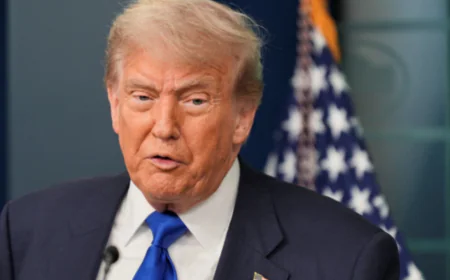
President Trump has forcefully denied the allegations. Speaking to reporters and on social media, he characterised the controversy as another politically motivated effort by opponents to undermine his presidency. He repeated that he cut ties with Epstein long before criminal charges were brought against the disgraced financier and insisted that the files do not harm his reputation.

The White House and Trump’s allies have echoed the Justice Department’s position, stressing that the claims are baseless, that they originate from submissions made years ago without corroboration, and that they were included in the documents for completeness, not as validated evidence.
Broader Context and Public Reaction
The release of the Epstein files has sparked widespread debate and scrutiny far beyond the allegations involving Trump. Survivors and members of Congress have raised concerns about privacy and incomplete redactions, and critics argue that the disclosures fuel misinformation. The controversy highlights ongoing tensions in balancing transparency with responsible handling of sensitive material.
As the story continues to develop, voices from both sides of the political spectrum are weighing in, making it one of the most discussed and contested issues in recent U.S. political news.