






























NEET-UG 2025 May Go Digital: What It Means for Medical Aspirants
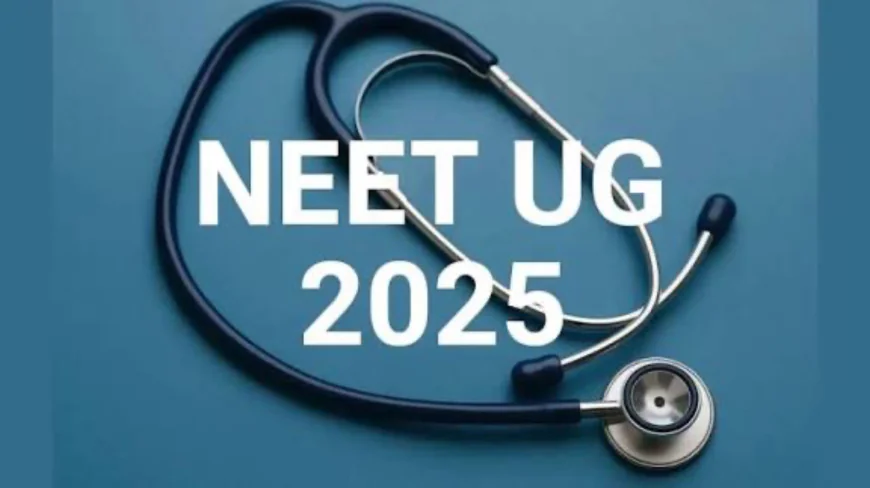
The Ministry of Education is considering a major reform by shifting the NEET-UG exam, India’s largest medical entrance test, from the traditional pen-and-paper format to a computer-based test (CBT) starting in 2025. While this move could modernize the exam process, it raises concerns about accessibility, fairness, and preparation, especially for students from rural and underprivileged backgrounds.

A Big Leap Toward Digitalization
Every year, nearly 24–25 lakh students appear for NEET-UG, making it one of the most competitive exams in the world. Conducting such a massive exam on paper has often led to logistical issues like delayed results, paper leaks, and errors in evaluation.
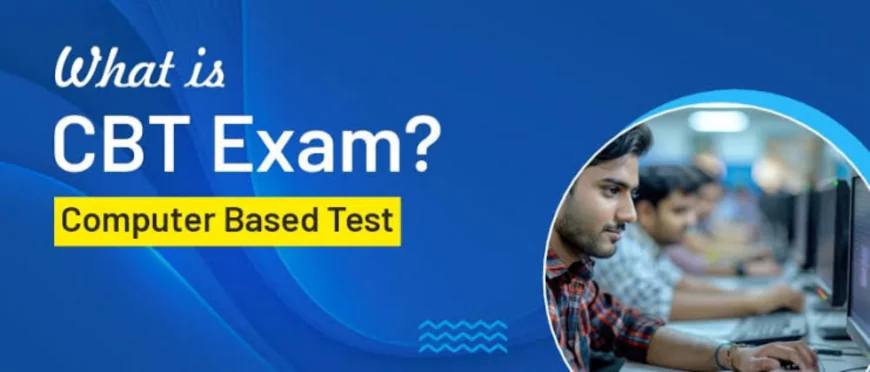
A computer-based test could help reduce these problems by ensuring real-time monitoring, faster result processing, and increased transparency. It would also align NEET with other top national exams like JEE-Main and international tests such as SAT and GRE, which are already digital.
Challenges for Rural and Remote Students
However, the shift to CBT comes with serious challenges. Many students from rural areas do not have regular access to computers or reliable internet connectivity. For these aspirants, even basic familiarity with a computer interface can be a hurdle.
There are also infrastructure concerns, as thousands of secure exam centers with stable power supply and internet would be needed across the country. Without adequate preparation and mock CBTs, the digital divide could put rural students at a significant disadvantage, deepening the inequality in medical education opportunities.
Pros and Cons of Going Digital
Pros:
• Reduced chances of paper leaks and malpractices.
• Faster and more accurate evaluation.
• Environment-friendly, eliminating lakhs of printed answer sheets.
Cons:
• Tech anxiety among students unfamiliar with computers.
• Risk of system crashes or network failures during exams.
• Higher preparation costs for underprivileged candidates.
The Road Ahead
Experts suggest a phased rollout, starting with optional mock CBTs in 2025, allowing students to get comfortable before making the digital format mandatory. The government must also ensure free digital training camps and set up well-equipped exam centers in every district to maintain fairness.
If implemented carefully, this move could mark a historic step toward modernizing India’s medical entrance system. However, the success of this transition will depend on how inclusively and thoughtfully it addresses the needs of students across all sections of society.