



































Funding Dispute Sparks Debate Over Education Policy Implementation in West Bengal
A recent statement by Dharmendra Pradhan triggered a political and academic discussion after he claimed that West Bengal missed out on more than ₹10,000 crore in central education funds due to incomplete implementation of the National Education Policy. The state government strongly refuted the allegation, stating it has introduced its own modern education reforms. The issue has reignited debate about policy uniformity and financial support in India’s education sector.

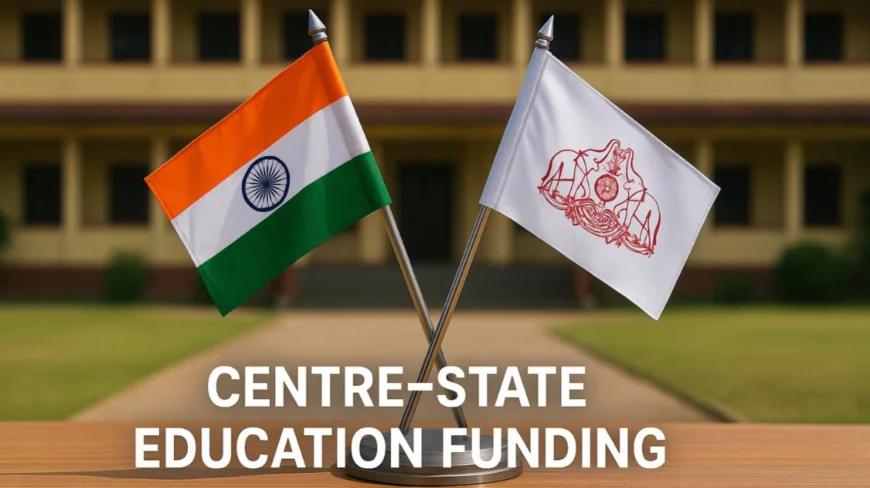
Centre’s Claim Raises Funding Questions
The controversy began when Dharmendra Pradhan stated that West Bengal suffered major financial losses because it had not fully adopted key components of the National Education Policy. According to the minister, several central schemes are directly linked to policy implementation, and states that delay or reject reforms risk losing financial support designed to strengthen infrastructure, teacher training and digital learning resources.
Officials from the central education administration emphasised that the policy aims to standardise and modernise education across India. They believe nationwide adoption ensures students from different states receive equal opportunities and quality learning frameworks.
State Government Counters the Allegation
The Government of West Bengal dismissed the claim, stating that it has introduced its own education roadmap which focuses on emerging subjects such as artificial intelligence, data science and skill based learning. State authorities argued that regional education policies can better address local requirements, cultural diversity and language preferences.
Leaders from the state maintained that education should remain flexible rather than strictly centralised. They highlighted that several reforms introduced by the state aim to prepare students for modern technological challenges and employment demands.
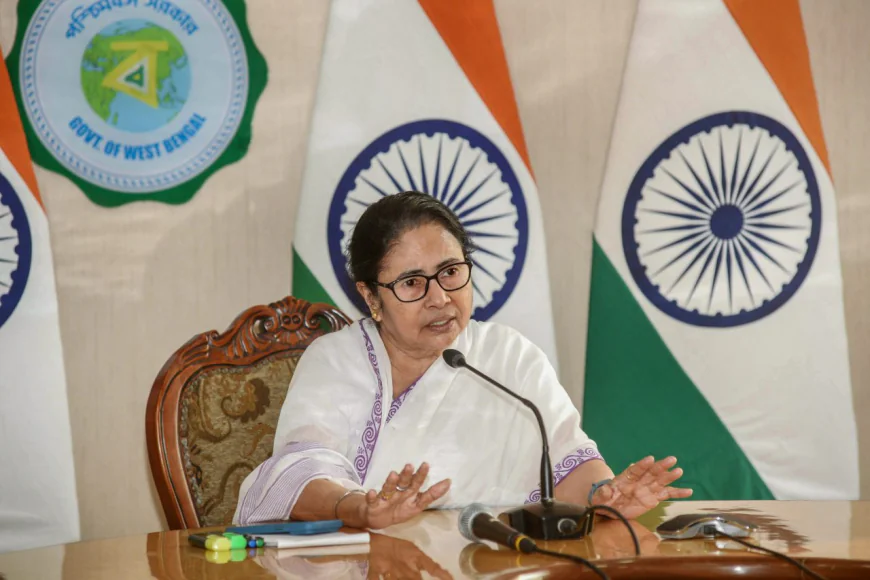
Policy Differences Reflect Larger Governance Debate
The disagreement reflects a larger national conversation about balancing central guidance and state autonomy in education. While the National Education Policy encourages uniformity in curriculum structure and teaching methodology, some states prefer independent reforms tailored to their demographic and academic priorities.
Education experts believe both approaches have merit. A unified national framework can help maintain consistent standards, while regional policies can address unique educational challenges faced by different states.
Impact on Students and Institutions
The funding dispute has drawn attention from academic institutions, teachers and parents who depend on government support for educational infrastructure and digital resources. Many experts suggest that cooperation between central and state authorities is essential to ensure uninterrupted development of schools and colleges.
As education continues to evolve with technological advancements and changing job markets, policymakers face the challenge of aligning financial support with flexible yet effective academic reforms. The outcome of this debate may influence how future education policies are implemented across India.