



































India’s Bold Step: Introducing AI Education from Class III
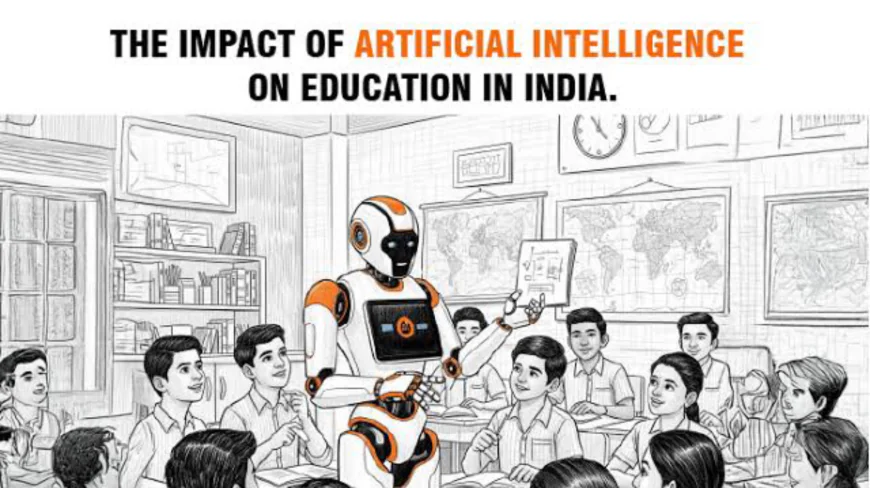
India’s decision to introduce Artificial Intelligence (AI) as part of the school curriculum from Class III marks a transformative move in the education sector. This initiative aims to prepare the next generation for an AI-driven future, but it also raises questions about teacher readiness, infrastructure gaps, and equitable access between rural and urban students.

A Vision for the Future
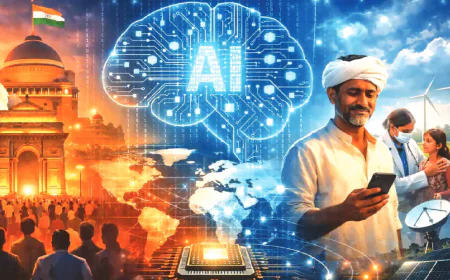
The Government of India’s plan to embed AI learning in schools starting from the 2026–27 academic year signals a forward-thinking vision. In an era where technology drives almost every industry, early exposure to AI concepts can empower children to think critically, innovate fearlessly, and understand the ethics behind machines that “think.”
Students will not only learn coding or algorithms but also gain an understanding of how AI impacts everyday life from voice assistants to smart farming tools. The goal is to nurture young minds into creators rather than passive users of technology.
The Infrastructure Challenge
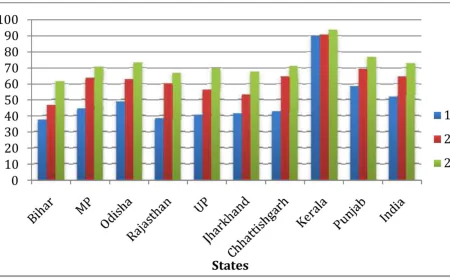
While the move is ambitious, it highlights a glaring disparity India’s digital divide. Many rural schools still struggle with basic infrastructure such as electricity, internet access, and functional computer labs. For AI education to reach every child, the government will need to strengthen digital facilities, supply affordable devices, and ensure reliable connectivity across all regions.
Smart classrooms, updated laboratories, and digital libraries will form the foundation of this AI revolution. Without these, the initiative may remain urban-centric, widening the gap between privileged and underserved students.
Empowering Teachers for the AI Era
Equally critical is teacher training. Introducing AI concepts means educators themselves must be equipped with new-age knowledge and tools. Training modules, workshops, and continuous upskilling will be key to turning teachers into facilitators of innovation.
The National Council of Educational Research and Training (NCERT) is expected to design age-appropriate modules that encourage curiosity rather than rote learning.
Ethics and Awareness Matter
As children learn about AI, understanding ethics like data privacy, bias, and digital responsibilitymust go hand in hand. Education shouldn’t just teach how to create AI but also how to use it wisely.
Conclusion
India’s plan to bring AI into classrooms from an early stage is not just an educational reform—it’s a social transformation. If implemented inclusively and thoughtfully, it could redefine how young Indians learn, think, and shape the future of technology.