


























IND vs PAK, Asia Cup 2025: The Possible Fallout If India Boycotts the Clash
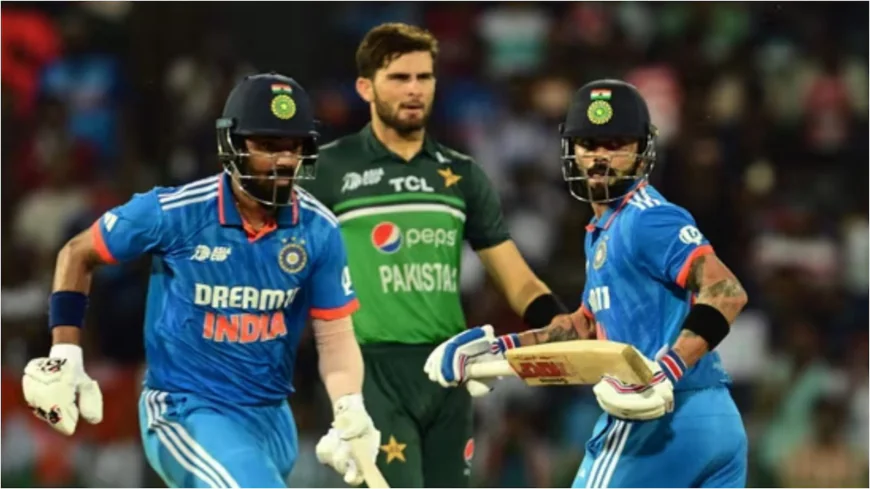
The much-anticipated India vs Pakistan encounter in the Asia Cup 2025 has been surrounded by political tension and heated debates. With Suryakumar Yadav leading Team India for the first time in a multi-nation tournament, a potential boycott could have far-reaching consequences — both on and off the field.

A Clash Beyond Cricket
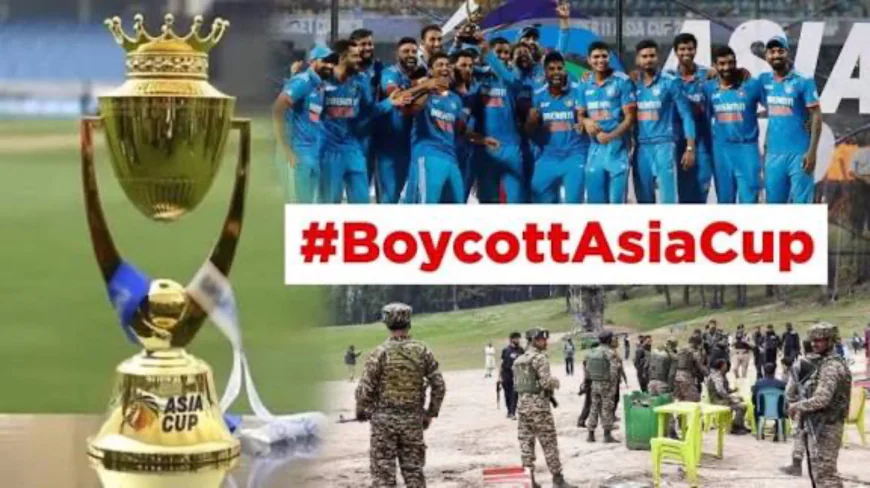
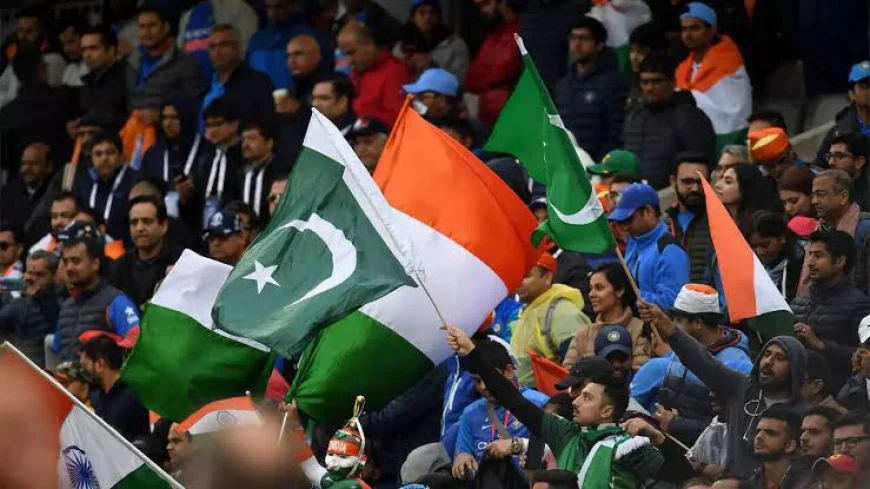
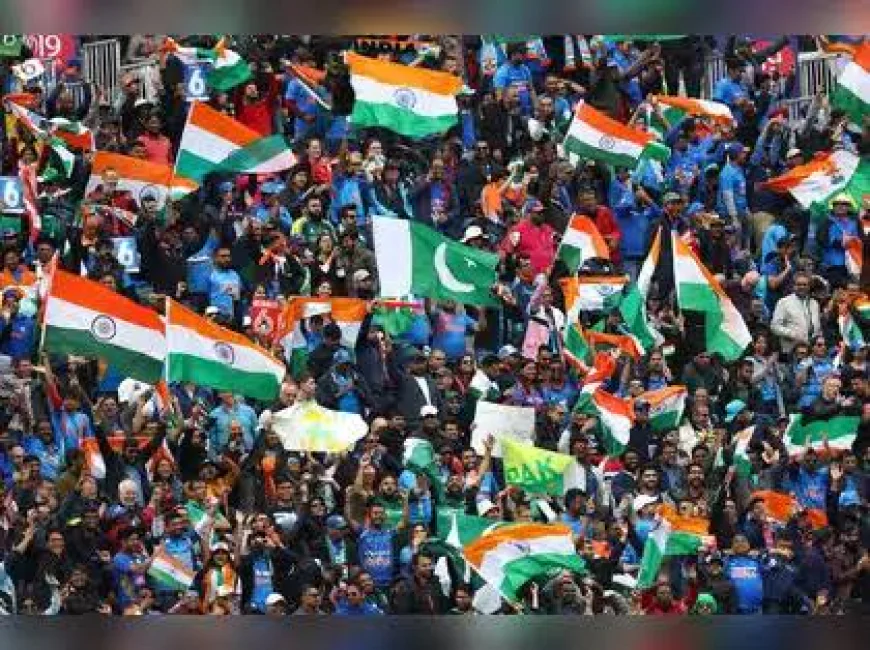
Whenever India and Pakistan face off, the rivalry transcends cricket. It’s more than just a game — it’s about pride, history, and the emotions of millions of fans. This year, however, the build-up has been clouded by political statements and security concerns. Some groups have demanded that India pull out of the match, citing diplomatic tensions. If Team India, under Suryakumar Yadav’s leadership, decides to boycott, it will not only disrupt the tournament but also set off a chain reaction in the cricketing world.
Immediate Impact on the Asia Cup
A boycott would mean the tournament organizers face a logistical nightmare. India vs Pakistan matches are the biggest revenue generators for the Asia Cup, thanks to massive sponsorships, broadcasting rights, and global viewership. Without this marquee clash, broadcasters could lose millions, and fans worldwide would be left disappointed. Moreover, it could force the Asian Cricket Council (ACC) to reconsider tournament scheduling and even venue arrangements in the future.
Consequences for Team India
If India skips the match, the team could face penalties or fines from the ACC. Points could be awarded to Pakistan by default, hurting India’s chances of qualifying for the finals. More importantly, it would affect the players’ morale. For Suryakumar Yadav, who is captaining India in a high-stakes tournament for the first time, this would be a challenging leadership test. A boycott could overshadow his tenure and deny the team crucial match practice ahead of the ICC Champions Trophy next year.
The Broader Picture
Beyond cricket, a boycott would have diplomatic ripples. It might send a strong political message but also risk isolating India in Asian cricketing circles. Pakistan could use this to gain sympathy and influence in global cricket bodies, potentially deepening divisions within the sport.
A Decision That Requires Balance
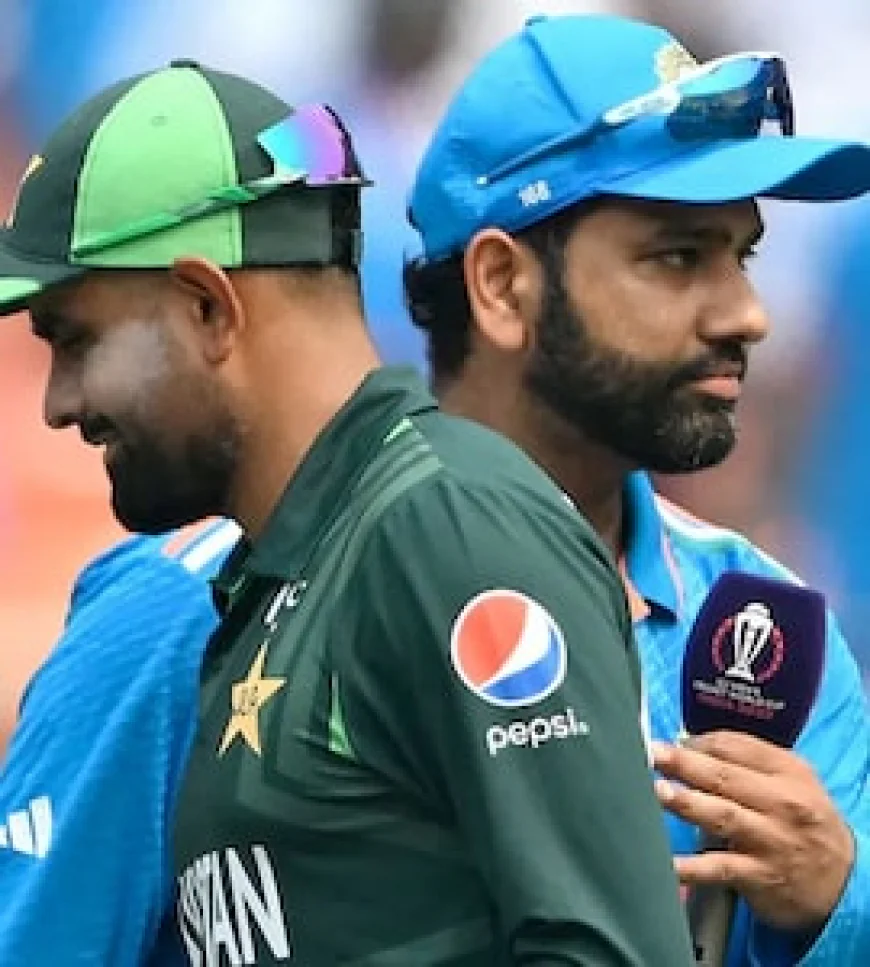
While national sentiment cannot be ignored, cricket has often been a bridge in strained relationships. Suryakumar Yadav and the BCCI will have to weigh the emotional, financial, and sporting costs carefully. Whatever the decision, it will shape not just this Asia Cup but the future of India-Pakistan cricketing ties a rivalry the world cannot afford to lose.