


































Bridging the Gap – Why India Must Rethink Engineering Education to Combat Graduate Unemployment
With nearly 90% of engineering graduates in Telangana reportedly unemployed, India faces a pressing need to reform its technical education system. The challenge lies in aligning classroom learning with real-world industry demands to ensure graduates are job-ready.

The Alarming Reality
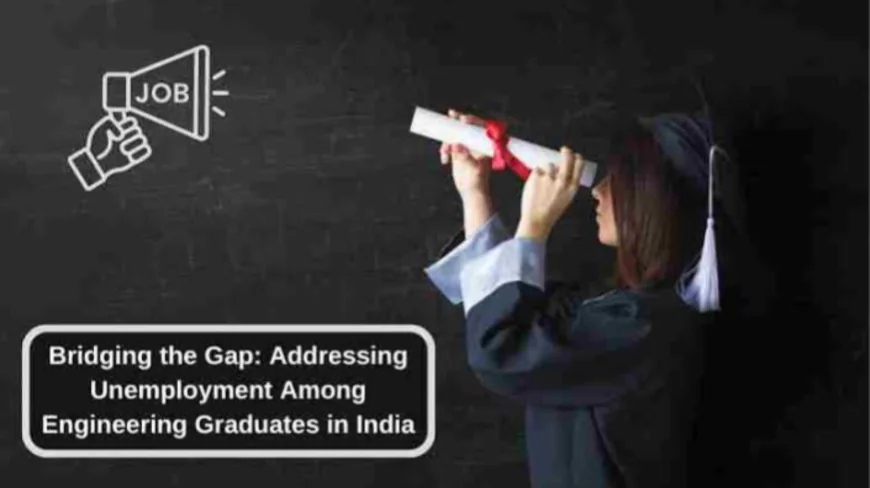
India has long prided itself on being a hub for engineering talent, producing over 15 lakh engineering graduates annually. Yet, a staggering number of these graduates remain unemployed or underemployed. Recently, Telangana Chief Minister Revanth Reddy highlighted that 90% of engineering students in the state are without suitable jobs, sparking serious conversations about the future of technical education in India.
Many graduates emerge from colleges armed with degrees but lacking practical skills. The root of this crisis lies in outdated curricula, rote learning methods, and a lack of exposure to emerging technologies. Employers increasingly seek candidates skilled in AI, data analytics, green technologies, and robotics areas rarely emphasized in traditional engineering programs.
Why Reform is Urgent
The situation is more than an employment issue; it’s an economic challenge. When young graduates struggle to find work, it creates a ripple effect on families and the state economy. This mismatch between education and industry needs also discourages innovation and entrepreneurship, which are vital for India’s growth.
Moreover, the global job market is rapidly evolving. Companies prefer engineers who are adaptable, digitally fluent, and capable of solving real-world problems. Without significant reforms, India risks being left behind while other countries invest heavily in future-ready skills.
A Path Forward
The Telangana government’s call for systemic overhaul could set an example for other states. Steps could include:
• Curriculum revamp to focus on practical learning and cutting-edge technologies.
• Industry-academia partnerships, where companies collaborate with colleges to design relevant courses.
• Mandatory internships and hands-on projects to build problem-solving abilities.
• Skill certification programs for emerging fields like AI, renewable energy, and cybersecurity.

Conclusion
India’s engineering education must evolve beyond merely producing degree holders. The need of the hour is to create innovators and problem-solvers who can contribute meaningfully to industries and society. Telangana’s wake-up call is a reminder that unless we bridge the skills gap, the nation’s demographic dividend could turn into a demographic disaster. By aligning education with opportunity, India can transform its engineering graduates into the driving force of a modern economy.