





















Alternative Education Models: Montessori, Homeschooling, and Beyond
Education is no longer confined to the traditional classroom model. With growing awareness of different learning needs, many parents and educators are turning toward alternative approaches such as Montessori, homeschooling, and other innovative systems. These models prioritize personalized learning, creativity, and flexibility, offering students new ways to thrive in an ever-changing world.

The Montessori Method: Learning Through Exploration
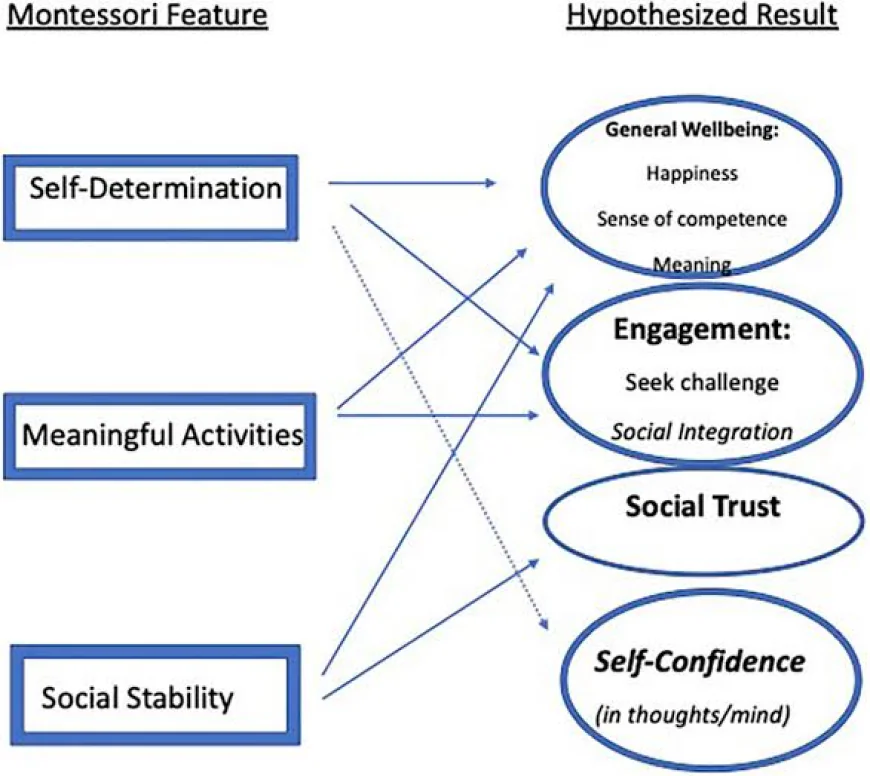
The Montessori approach, developed by Dr. Maria Montessori, emphasizes self-directed learning. Instead of a teacher-led environment, students are encouraged to explore subjects at their own pace using hands-on activities and specially designed materials. This model focuses on independence, curiosity, and problem-solving. Many parents choose Montessori because it nurtures creativity and fosters a love for lifelong learning, rather than focusing solely on grades.
Homeschooling: Education Beyond the Classroom Walls
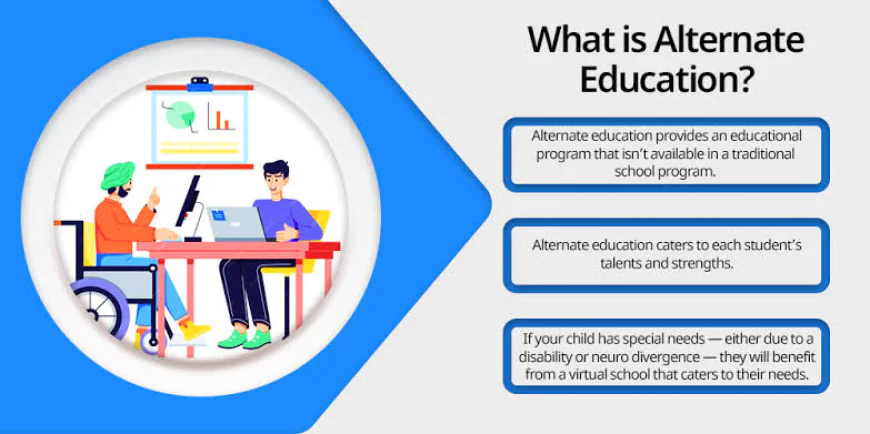
Homeschooling has gained popularity in recent decades, giving families the freedom to design a curriculum that matches their values, culture, and learning styles. Parents can integrate academic lessons with real-life experiences, making education more practical and engaging. Homeschooling also allows flexibility in scheduling and pacing, which can be especially beneficial for children with special needs or unique talents. However, it requires a strong commitment from parents to ensure balance and consistency.
Beyond Montessori and Homeschooling: Emerging Alternatives
While Montessori and homeschooling are well-known, other models are also reshaping education. Waldorf education, for example, blends academics with arts and imagination, while Reggio Emilia focuses on collaboration, creativity, and project-based learning. Online and hybrid schooling are also gaining traction, giving students the ability to learn virtually from anywhere in the world. These alternatives reflect a growing belief that education should adapt to the learner not the other way around.
A Shift Toward Personalized Learning
The rise of alternative education models highlights the need for flexibility in modern education. Every child learns differently, and these systems aim to honor that individuality. Whether through Montessori’s independence, homeschooling’s flexibility, or other innovative models, the ultimate goal remains the same: to prepare students not just for exams, but for life.