























‘No Aadhaar, No School’: Pakistani Refugee Children in Delhi Trapped Between Borders and Bureaucracy
Hundreds of Pakistani Hindu refugee children living in Delhi face an uncertain future as schools deny them admission for lack of Aadhaar cards. Caught between India’s promise of refuge and bureaucratic hurdles, their right to education hangs in limbo.

A Promise Unfulfilled
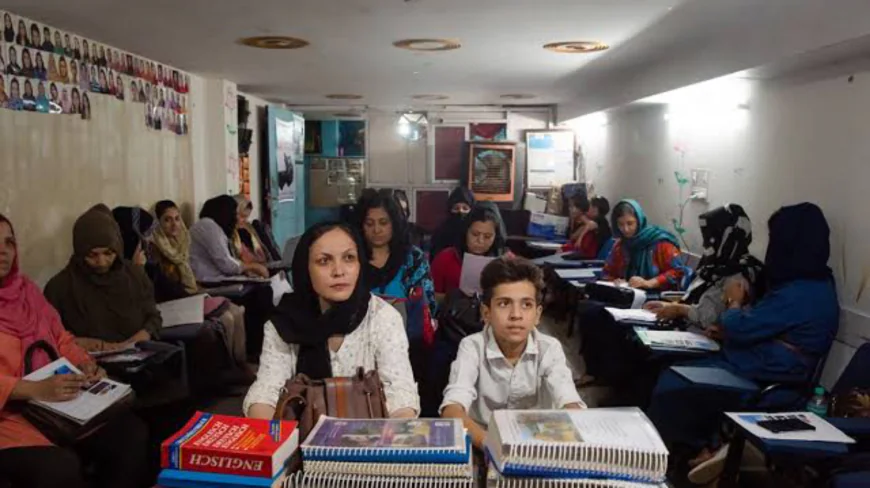
For many Pakistani Hindu families who fled religious persecution and sought shelter in India, Delhi was supposed to be a place of safety and opportunity. They arrived with hope — believing that their children would finally study in peace. But reality has been harsh.
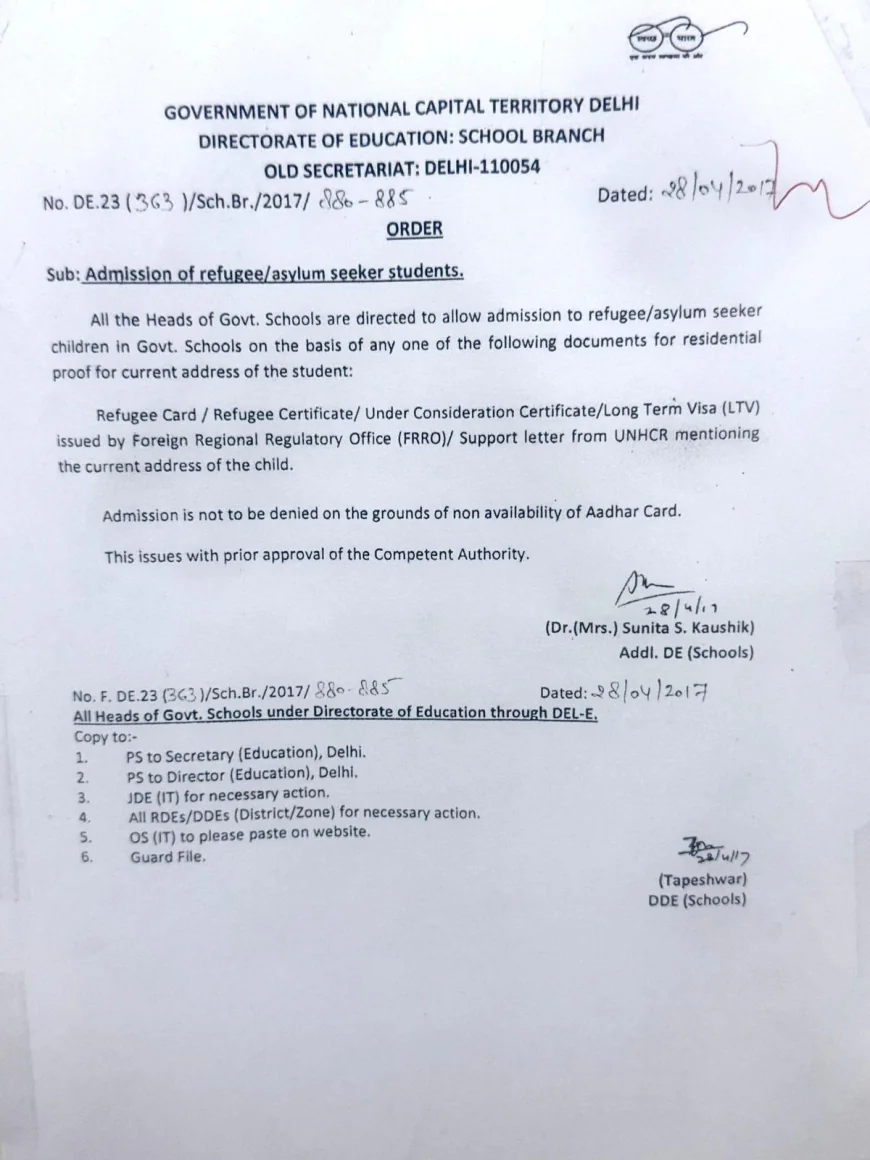
Without Aadhaar cards, these children are unable to enroll in government or private schools. Despite possessing refugee identification from local authorities, schools insist on Aadhaar as a mandatory document for admission under the Right to Education Act (RTE). For families living in refugee camps at Majnu ka Tila, Adarsh Nagar, and Rohini, this has turned education into an unreachable dream.
Caught Between Laws and Lives
The irony runs deep: India’s Constitution guarantees free and compulsory education to every child aged 6 to 14, yet refugee children — technically “stateless” — find themselves excluded by paperwork. Their parents say they’ve applied for Aadhaar multiple times, but the process stalls due to lack of official residential proof or citizenship status.
“Our children watch others go to school every morning. They ask when it’ll be their turn,” says Meena, a mother of three living in a refugee camp in North Delhi. “We came here to protect them from fear, but now they’re afraid of being left behind.”
Schools Struggle, NGOs Step In
Some Delhi schools have expressed willingness to admit these children, but legal uncertainty holds them back. A few non-governmental organizations, like Seva Bharti and Human Rights Foundation, have stepped in to run makeshift learning centers. Yet, without formal recognition, these children remain outside India’s mainstream education system, their talents untapped and their futures uncertain.
A Call for Compassionate Policy
Experts and activists urge the government to develop a special education inclusion policy for refugees. Granting temporary Aadhaar numbers or alternative ID-based enrollment could ensure no child is denied schooling because of borders they didn’t choose to cross.
The Bigger Picture
These children may not have official papers, but they carry stories of resilience and belonging. Their education should not depend on bureaucracy — it should depend on humanity. After all, education isn’t a privilege; it’s a right that defines the kind of nation India aspires to be.