




































The Digital Escape Route: How Iran Plans to Outsmart Sanctions Through BRICS Crypto Corridors
Iran is turning to BRICS and cryptocurrency as a means to circumvent sanctions with the help of digital trade, power mining, and BRICS Pay.

A New Sanctions-Proof Strategy
After being subjected to tightening global sanctions for several years, Iran is devising a new courageous plan which involves the use of cryptocurrency and BRICS’s rising power to construct alternative financial routes. By associating itself with the economies that are still developing and using digital tools, Tehran aims at changing the pace of the game- from being isolated economically to a survival mode driven by innovation.
BRICS as Iran’s Shield
To Iran, being part of BRICS means more than political companionship. It means the chance to revamp its economic network by the group. Since the group is striving for the establishment of payment ecosystems that are not influenced by the West, Iran is able to freely trade without the need of the systems that are under the control of the countries that imposed the sanctions on her. In other words, BRICS is no longer a simple forum for Tehran but an anti-sanctions alliance that can bring stability in the long run.
Crypto Transactions for Global Trade
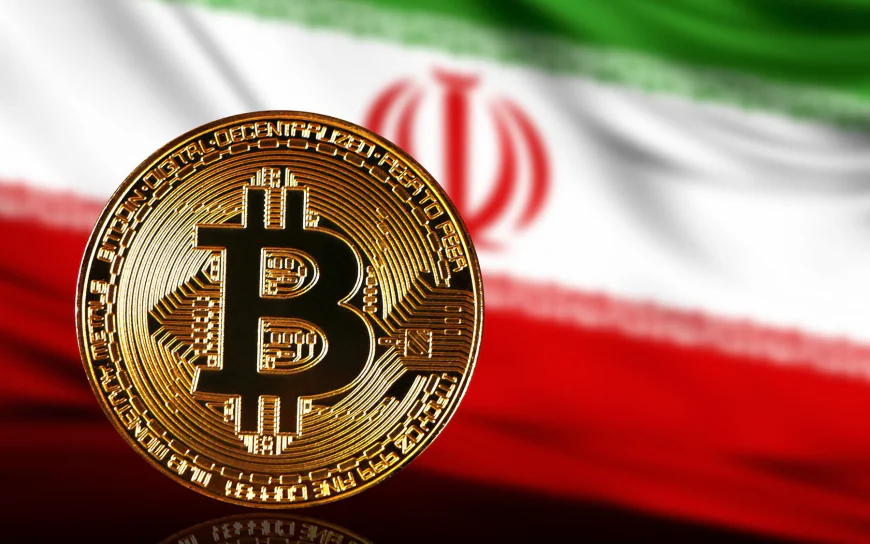
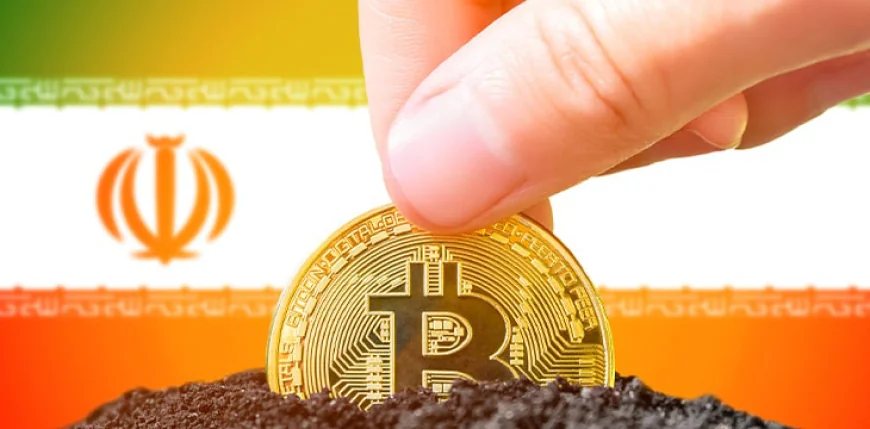
The use of digital currency is not something that Iran only talks about; it has already taken steps in this direction by performing cross-border payment transactions with cryptos, in this way proving that digital assets are a viable alternative for international trade. By moving to decentralized payments, Iran makes it difficult for SWIFT and traditional banks to carry out their usual transactions, hence they are at a loss on how to enforce their sanctions.
Mining: Iran’s Digital Oilfield
For crypto-mining, Iran is in a very good position thanks to its abundant energy sources. The cheap power, which has been a big draw for setting up most mining farms, has made them money-making machines. So in a way, the government purchases crypto made by local miners, and then turns it into import payments, which in turn generates a parallel digital economy outside the global markets that are under restriction.
Building Rules, Not Chaos
Instead of going the unregulated crypto way, Iran has chosen to introduce strict regulatory standards for licensing of exchanges and brokers. The central bank is the one overseeing this industry so as to be sure that digital finance is used as a tool to extend the state's power rather than weaken it. The fact that the state is fully in control exhibits the idea that this is a deliberate, quite sophisticated long-term financial repositioning.
BRICS Pay: The Bridge Iran Needs
The element that facilitates most of Iran’s planning is BRICS Pay, a decentralized payment network that is under consideration by member nations. This network, which uses local currencies and may be crypto-compatible, can very soon be the one that Iran will use as a substitute to dollar-based transactions.
Challenges on the Digital Frontline
Still, at the frontline of the digital battle, Iran faces the risk of volatility, international surveillance, and increased energy consumption. Nevertheless, Iran thinks that the benefits are greater than the drawbacks.