


























Retail’s New Heartland: How India’s Tier II–III Cities Are Powering a Real Estate Renaissance
Real estate of cities from tier II to III is becoming the next big thing as a result of the fuel that comes from the retail expansion, investor interest, and infrastructure of these cities.

A Shift Beyond Metros
The real estate wave in India is slowly but surely moving beyond big cities. Tier II-III cities are rapidly becoming the main drivers of retail growth, and this transformation is having an immense impact on the investment landscape.
Why Retailers Are Betting on Smaller Cities
The major brands are making their entries into these developing areas. The lower land cost and uptrend of consumer aspiration of these cities have been the major factors that attracted the big retail brands. The malls of Ludhiana, Jaipur, and Lucknow are no less than those in metros.
Institutional Investors Join In
Major developers and institutional investors have already made their decisions and are now busy turning non-metro cities into large-scale projects of retails, which will be both qualitatively and quantitatively attractive.
Consumers With Growing Thirst
Income rise, lifestyle changes, and a younger digital-savvy generation are the main reasons behind the increasing demand of experiential retail (hangout places, entertainment zones, lifestyle spaces, etc.) apart from traditional shops.
Infrastructure Is the Backbone
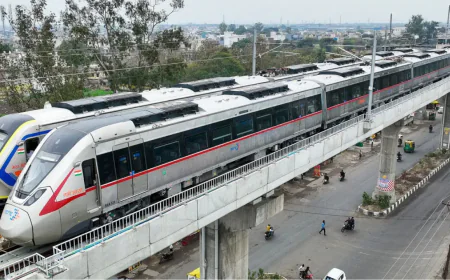
Better connectivity through highways, rail, and logistics is making these towns more reachable and desirable. As the infrastructure is being modernized then real estate development is taking a step forward.
Warehousing & Logistics Follow the Demand
The e-commerce trend has caused more warehousing and logistics to be set up in these cities. Being close to consumers comes with the benefit of faster deliveries and more efficient supply chains.
The Hottest Emerging Cities
Lucknow, Jaipur, Ludhiana, and Coimbatore are the cities that are at the forefront of this growth story. Their combination of economic momentum, consumer potential, and land availability is the reason why they are so attractive.
What This Means for Stakeholders
● Investors: Markets of great potential and good returns
● Developers: A new frontier of large-scale retail and mixed-use projects
● Retail Brands: Opportunity to serve the under-loaded tho rapidly growing markets
● Consumers: The opportunity to enjoy expansive, modern retail experiences even in smaller cities