













Jaishankar Defends India's Strategic Autonomy at MSC 2026: The Russia-US Trade Balance
External Affairs Minister S. Jaishankar defends India's strategic autonomy at MSC 2026, dismissing claims that the new India-US trade deal and Russian oil imports signify a policy shift.

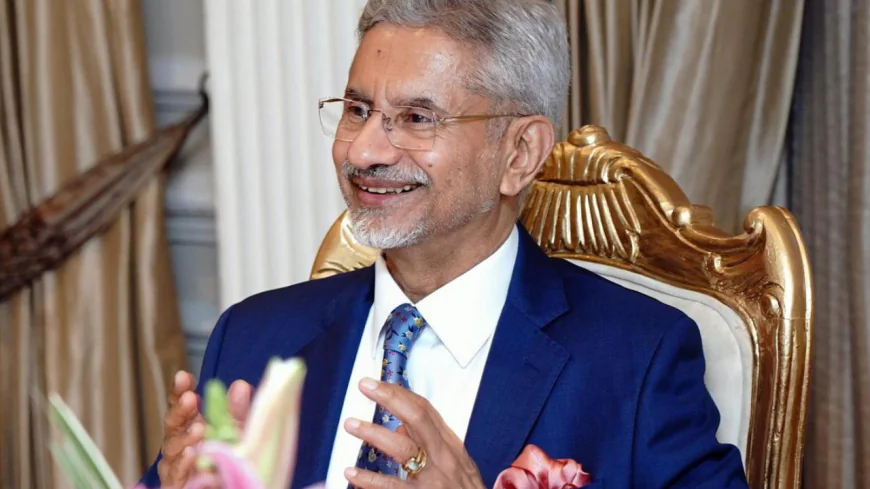
External Affairs Minister S. Jaishankar has forcefully dismissed claims that India’s recent landmark trade deal with the Trump administration signifies a surrender of its "strategic autonomy." Speaking at the Munich Security Conference (MSC) 2026 on 14 February, Jaishankar clarified India's diplomatic stance following reports that New Delhi agreed to curb Russian oil imports in exchange for significant U.S. tariff reductions. While Washington frames the deal as a pivot away from Moscow, Jaishankar maintained that India’s foreign policy remains dictated solely by its own sovereign interests.
The Indian-US Trade Frame and the factor of oil in Russia
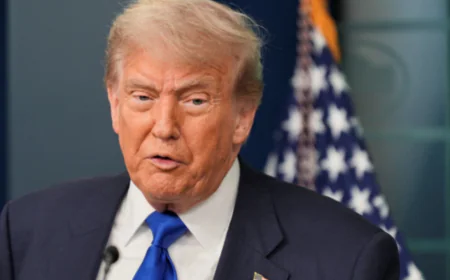
The current geopolitical debate stems from assertions by U.S. President Donald Trump and Secretary of State Marco Rubio, who suggested that India committed to halting additional Russian crude purchases. The U.S. in turn is said to have reduced the tariffs on Indian exports by half to 18, including the elimination of a 25 per cent punitive tariff it had earlier applied as pressure over the Indian energy relationship with Russia. This high-stakes economic realignment has sparked questions about whether India’s "multi-alignment" strategy is shifting toward a more singular Western partnership.
Jaishankar’s Defence of Sovereign Decision-Making
Responding to these claims, Jaishankar emphasised that India remains "wedded to strategic autonomy," describing it as a historical pillar deeply rooted in the nation’s evolution. He confirmed that India had the right to make an independent minded choices even where these choices were not in tandem with the western expectations. Dealing with the issue of energy as such, he pointed out that Indian oil companies are guided by a commercial rationale of availability, cost, and risk that the European companies are driven by. By framing energy security as a market-driven necessity rather than a political concession, he pushed back against the narrative of American dictates.

Navigating National Interest in a Multi-Polar World
The Ministry of External Affairs (MEA) continues to maintain a "National Interest First" approach, neither confirming nor denying the specific restrictive terms claimed by the U.S. administration. This is a diplomatic balancing act that underscores how India-US relations will become complicated in the year 2026. By leveraging U.S. trade incentives to bolster its economy while refusing to formally sever energy ties with Moscow, India is testing the practical boundaries of its "strategic autonomy." Finally, the MSC 2026 meeting has emphasised that, although trade agreements can be developed, the core policy of India, i.e., taking independent decisions, cannot be compromised.