


















Game Changer for Global Trade: India and EU Seal ‘Mother of All Deals,’ Slashing Tariffs and Opening a 2-Billion-People Market
India and the EU seal the “mother of all trade deals” in a landmark FTA, unlocking zero-duty exports, cheaper European cars, millions of jobs, and a $20 trillion trade zone set to reshape global economics in 2026.


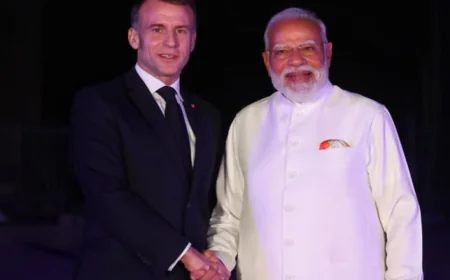
India and the European Union on January 27, 2026, announced the conclusion of negotiations for a long-awaited Free Trade Agreement (FTA), calling it the “mother of all trade deals” due to its scale and economic impact. The historic India-EU FTA establishes the potential free trade zone of almost 2 billion people and almost a quarter of the world GDP. Concluded in nearly 20 years of deadlocked and renegotiated negotiations, the deal was rushed through in the light of increasing world trade tensions and the increasing application of tariffs as geopolitics. Both sides celebrated the agreement as a strategic refresh in the economic relations between India and the EU that will aid in increasing trade, investment, supply chain resiliency and create employment.
Indian Exports have Massive Market Access
India will be allowed under the agreement 99 percent of its exports by value to the European Union duty free. Immediate tariff removal will favour the labour-intensive industries that include textiles, apparel, leather, footwear, marine products, gems and jewellery, chemicals and engineering goods. The transaction is likely to make India much more competitive in its exports and promote a high employment level. India has also been able to find protection on sensitive areas of agriculture such as dairy, cereals and poultry that have not gotten such tariff concessions.

Large Profits in European Goods and Automobiles
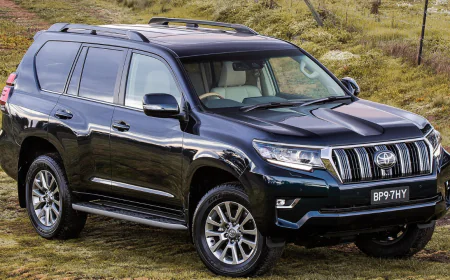
In the case of the EU, India has undertaken to either do away or cut tariffs on 97.5 percent of the goods traded in value. Improved access to the market will be experienced with high-tech goods like machinery, pharmaceuticals, medical devices, optical tools, and chemicals. One of the greatest inventions was made in automobiles where the tariff on high European cars was cut down to as low as 10% against the quota limit of up to 110% tariff. Tax on European wine, spirits, chocolates, and processed foods will be also reduced drastically.
Services, Mobility and the Road Ahead
The India-EU FTA covers a robust services trade which will serve the interests of the IT/ITeS, professional service industry and education businesses of India and has a provision to facilitate movement of skilled professionals. The deal will be now subjected to legal scrubbing, translating into all languages of the EU and is set to be ratified by the European parliament and member states, both with the hope of the deal being implemented by 2026.