




































Essential Tech Skills Everyone Should Learn in 2026
From AI literacy to cybersecurity and data skills, these essential tech skills will define career growth in 2026. A practical guide for students, professionals, and freelancers.

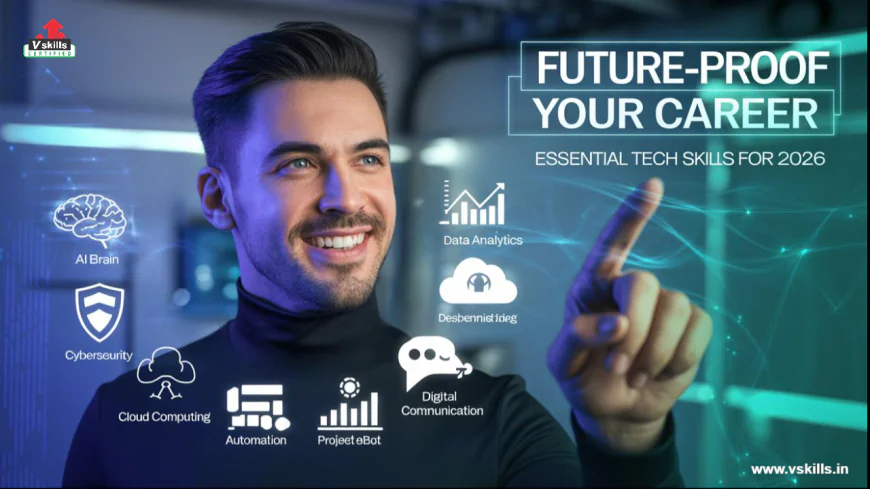
Technology is no longer limited to engineers or IT professionals—it has become a core requirement across industries. As we enter 2026, rapid advancements in artificial intelligence, automation, and digital infrastructure are reshaping how people work, communicate, and create value. To remain employable and competitive, learning the right tech skills is no longer optional.
According to global workforce studies, over 65% of jobs in 2026 will require some level of digital or tech proficiency, even in non-technical roles. From marketing and finance to healthcare and education, professionals who understand technology will have a clear advantage in career growth and job security.
Why Tech Skills Matter More Than Ever
The pace of technological change has accelerated significantly since 2023. Tools powered by AI, cloud platforms, and automation software are replacing repetitive tasks while creating demand for higher-level problem-solving and digital decision-making skills. Employers are now prioritising adaptability and tech literacy over traditional degrees alone.
In real-world terms, professionals who upskill digitally earn 20–35% higher salaries on average, according to industry hiring data. This makes tech skills a direct investment in long-term financial stability.
Building a Future-Ready Skill Stack
If you’re exploring future-ready skills for 2026, this topic closely connects with deep dives on AI skills for non-tech professionals, digital skills needed for freelancing, and top in-demand skills for the future workforce. Understanding how technology skills shape career resilience helps learners build a balanced skill stack rather than chasing short-term trends.
Artificial Intelligence & AI Literacy
AI literacy is the most critical skill for 2026—not coding AI models, but understanding how AI works, where it should be used, and where human judgment matters. Professionals should know how to use AI tools for productivity, content, research, and automation while recognizing ethical and accuracy limitations.
From using AI assistants in daily work to interpreting AI-generated insights, this skill is becoming as fundamental as basic computer literacy once was.
Data Literacy & Analytical Thinking
Data-driven decision-making is now a core business skill. In 2026, knowing how to read, interpret, and question data will be essential. This includes understanding dashboards, basic statistics, and trends—not just advanced data science.
Even entry-level roles increasingly require familiarity with data tools like spreadsheets, visualization platforms, and analytics software.
Cybersecurity Awareness
As digital dependency increases, so do cyber risks. Basic cybersecurity skills—such as recognizing phishing attacks, protecting personal data, and understanding digital privacy—are now life skills.
Organizations actively prefer employees who understand security hygiene, especially in remote and hybrid work environments where vulnerabilities are higher.
Cloud & Digital Collaboration Tools
Cloud platforms power modern work—from file storage and remote collaboration to enterprise systems. Knowing how cloud-based tools function helps professionals work efficiently across borders and teams.
Whether it’s project management software, shared workspaces, or SaaS platforms, cloud familiarity is no longer limited to IT roles.
A Snapshot of Essential Tech Skills for 2026
|
Skill Area |
Why It Matters |
|
AI Literacy |
Boosts productivity and decision-making |
|
Data Literacy |
Enables smarter, evidence-based work |
|
Cybersecurity |
Protects personal and organizational data |
|
Cloud Tools |
Supports remote and global collaboration |
|
Digital Automation |
Saves time and reduces repetitive tasks |
Human Skills Powered by Technology
While technical knowledge is crucial, success in 2026 depends on combining tech skills with critical thinking, creativity, and adaptability. Technology amplifies human capability—it doesn’t replace it entirely.
Professionals who can ask the right questions, apply tools ethically, and adapt to new systems will lead future workplaces.
Preparing for 2026 Starts Now
The best time to learn essential tech skills was yesterday—the second-best time is today. Online courses, certifications, and hands-on practice make upskilling accessible regardless of background or age.
In a world where roles evolve rapidly, continuous learning is the most valuable skill of all.
FAQs
Q1. Do I need a tech degree to learn essential tech skills?
No. Most skills can be learned through online courses and practical use.
Q2. Is AI a threat to jobs in 2026?
AI replaces tasks, not people. Those who learn to work with AI gain an advantage.
Q3. Which tech skill should beginners start with?
AI literacy and basic data skills are ideal starting points.
Q4. How long does it take to learn these skills?
Basic proficiency can be achieved in 3–6 months with consistent practice.