





































Different Types of Cybersecurity Threats and How to Prevent Them
Discover cybersecurity basics, common threats, and why protecting data, privacy, and critical systems is essential in the digital age.

Cybersecurity describes the act of preventing attackers from gaining access to, modifying or destroying a computer, network, application, or data. Most cyber attacks are designed to obtain, alter, steal, or delete confidential data and/or disrupt or compromise a company's operation through financial theft/extortion. Cybersecurity encompasses technologies, procedures, and industry standards to ensure that secured resources remain protected from unauthorized access, and maintain the Confidentiality, Integrity and Availability of the data.
Different Types of Cybersecurity Threats
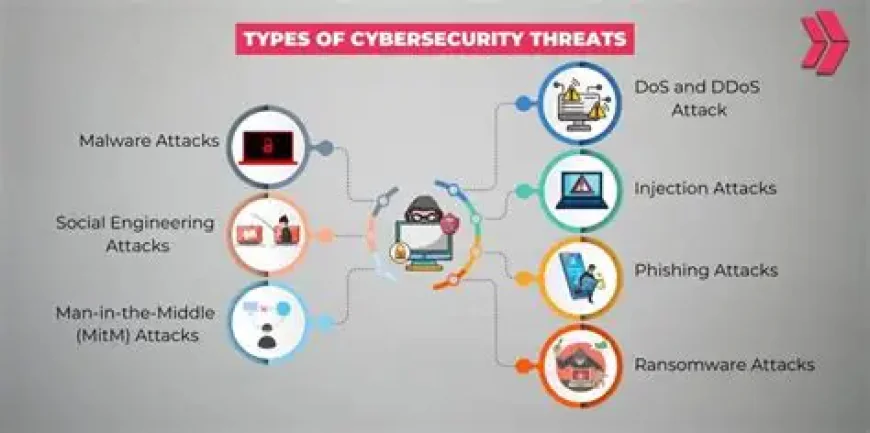
Two sides to new technology are convenience and the increased risk for cyber-attacks. Some popular forms of cyber threats include malware (which includes everything from a Virus to Ransomware that prevents access to files or files are damaged), phishing (an email or message from someone impersonating a trusted source asking for personal Information), Data Breach (a leak of sensitive documents), and Denial of Service (DoS) Attack (much like DDoS attack). As cloud computing becomes more popular with mobile devices and working remotely, the scale and sophistication of these threats will also increase.
The Importance of Cybersecurity
As more individuals and businesses are integrating their lives through online access, the need for cybersecurity is a top priority. Everything from personal photographs, bank account information, and all of your private messages (emails) resides at your fingertips via online accounts. Companies utilise digital systems for their day-to-day operations, and have access to a vast amount of customer data through those systems. A cyberattack can have devastating consequences, such as financial losses, identity theft, reputational harm, legal ramifications, and in extreme cases, a risk to national security if a cybercriminal were to target a critical infrastructure.
For businesses and organisations, having reliable cybersecurity supports their ability to gain and keep customer trust while also allowing them to continue operating without interruption. Cybersecurity also serves an individual’s right to privacy and protects against fraud. On a large scale, cybersecurity protects national assets, such as the power grid, transportation systems, healthcare systems, and government services.
The Way Cybersecurity Protects You
There are various ways to defend yourself from cyber threats. You can use strong passwords and enable two-factor authentication; update your operating system regularly; use a secure wireless connection; apply the same data encryption methods to your sensitive information stored on your computer; and educate your employees or users about how to spot potentially dangerous email messages, links and files downloaded from unknown sources.
The Future of Cybersecurity
As the use of AI, IoT and Smart technologies continues to grow, so will the number of cyber threats. The more devices connected, the more opportunities there will be for an attacker to gain access to a person or organisation and launch an attack. In addition, the increasing number of cyber threats will not only create challenges for IT professionals but will also put more responsibility on everyone who uses any type of digital tool to protect themselves against cyber attacks.