



































When Trust Is Betrayed Inside the Education System
A former senior education official in Lagos has been sentenced to jail in a corruption case that has drawn attention to accountability within public education systems. The case highlights how misuse of funds meant for schools can damage student welfare, public trust, and long term development, while also showing why strong oversight is essential.

A Shocking Verdict That Stirred the Sector
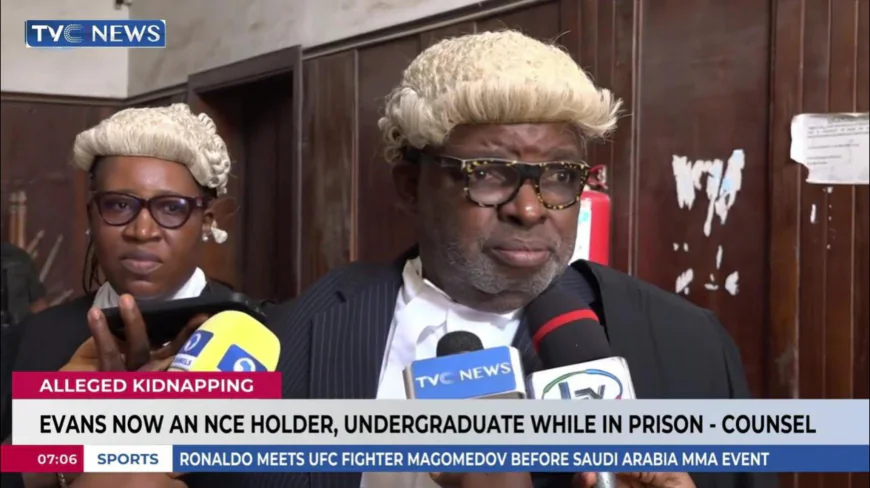
The conviction of a former Lagos State education director has sent ripples through the education community. Once entrusted with managing public resources meant to improve schools and learning outcomes, the official was found guilty of misappropriating funds. The court’s decision marks a rare moment where authority figures within the education system are held answerable for financial misconduct.
For many parents and teachers, the verdict confirmed long held fears. Money allocated for classrooms, learning materials, and teacher support often disappears without visible improvement on the ground. This case put a human face to that frustration and exposed how deeply corruption can affect everyday schooling.
How Corruption Hurts Students First
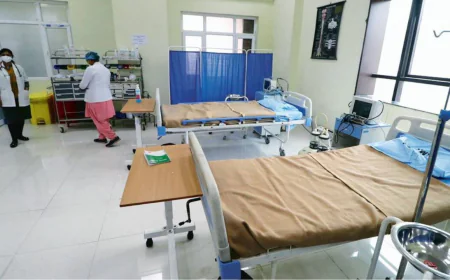
While financial crimes may seem distant from classrooms, their impact is immediate. Funds meant for repairing buildings or purchasing textbooks often decide whether children study in safe environments or overcrowded rooms. When officials misuse these resources, students pay the price through poor facilities and limited opportunities.
Education experts point out that corruption also weakens morale among teachers. When they see leadership abusing power without consequence, motivation declines and trust in the system erodes. The Lagos case highlighted how one individual’s actions can ripple across an entire education network.
Accountability Sends a Strong Message
The jail sentence has been widely viewed as a message that no position is beyond scrutiny. Anti corruption agencies emphasized that public service must come with responsibility, especially in sectors like education that shape future generations.
Legal analysts believe the ruling could encourage stronger internal audits and better transparency in government departments. It also reassures citizens that misuse of public funds can still be challenged through legal channels.
Lessons for Education Systems Everywhere
Although the case unfolded in Nigeria, its lessons extend globally. Education budgets are often large and complex, making them vulnerable to misuse. Experts stress the need for digital tracking of funds, community monitoring, and independent reviews to reduce such risks.
Ultimately, safeguarding education resources is about protecting students’ futures. The Lagos verdict serves as a reminder that integrity in education governance is not optional. It is the foundation on which trust, progress, and equal opportunity are built.