



































When Dedication Meets Disappointment: How Low Teacher Pay Is Crippling India’s Education Future
Dr. Vikas Divyakirti has reignited a crucial conversation about the poor salary structure for teachers in India. This article explores how low pay is weakening the education system, demotivating educators, and ultimately affecting the nation’s learning outcomes.

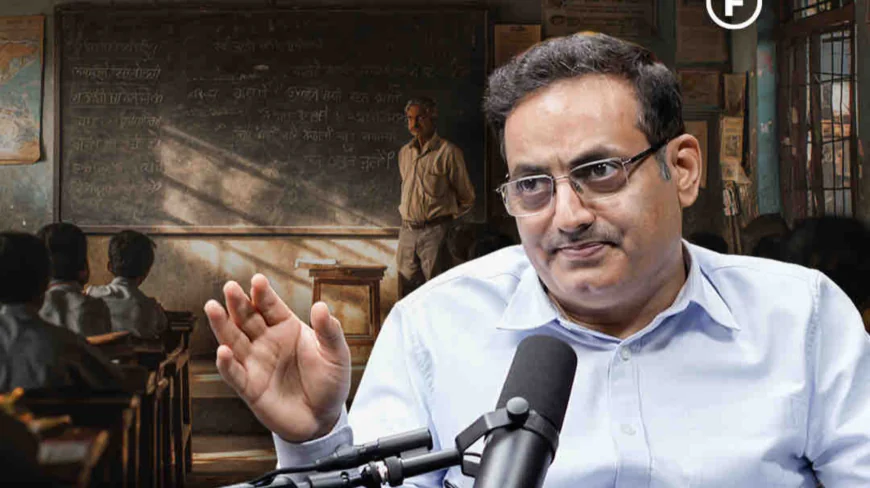
A Warning Voice from Dr. Divyakirti
Known for his sharp analysis and deep understanding of social issues, Dr. Divyakirti has once again put the spotlight on a subject India often overlooks—teachers’ pay. He emphasizes that while teachers are expected to shape young minds and uplift society, their compensation barely reflects their value. His observation isn’t an opinion alone—it mirrors the lived reality of lakhs of teachers across the country.
The Emotional and Financial Toll on Educators
Teachers are often portrayed as selfless contributors, but beneath that noble image lies a struggle many silently bear. With stagnant salaries, delayed payments, and limited financial security, educators find themselves forced to take up additional work or private tutoring to survive. This compromises rest, family time, and sometimes even the energy they bring to classrooms.
The passion to teach remains, but passion alone cannot pay rent, health expenses, or children’s school fees. The system expects teachers to perform miracles while ignoring their basic needs.
Impact on Classroom Quality and Student Learning
Low pay doesn’t just hurt teachers—it impacts every child sitting in a classroom. Unmotivated, stressed, and financially burdened teachers cannot deliver their best. The shortage of skilled teachers in government schools, especially in rural areas, is largely driven by poor compensation. When talented graduates opt for corporate jobs instead of teaching, the learning gap widens.
In many schools, one teacher juggles multiple classes or subjects, reducing the quality of attention students receive. The message sent to society is painful: teaching is not valued, even though it forms the foundation of every profession.
A Call for Reform, Not Token Appreciation
Celebrating Teachers’ Day or praising educators on social media won’t fix the issue. What India needs is structural reform—better salaries, timely payments, career growth policies, and dignity for the teaching profession. Countries with strong education systems treat their teachers like national assets. India must do the same if it wants to build a knowledgeable, confident generation.
Low teacher pay isn’t just an economic concern—it’s a national crisis. And if voices like Dr. Divyakirti’s continue to echo, perhaps the country will finally listen.