




































What’s Driving the Mass Exit of Zomato Delivery Workers Each Month
Zomato’s reported monthly exit of around 5,000 delivery partners is driven by voluntary departures, performance standards, and the flexible nature of gig work. Rather than mass layoffs, it highlights the high turnover inherent in India’s app based delivery economy.

Why Delivery Partners Exit So Frequently
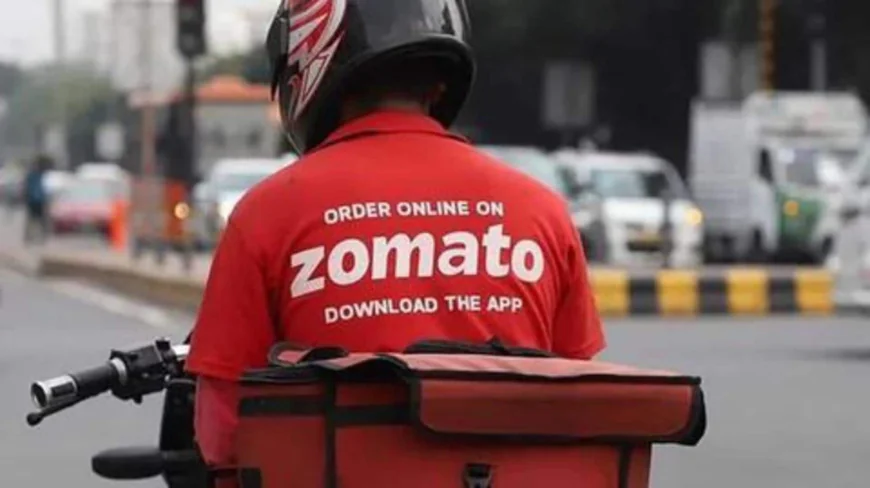
Zomato’s delivery workforce operates on a partner based model rather than traditional employment. Most delivery riders join with flexible expectations, often treating the role as a temporary income source. Many leave within weeks due to personal reasons, alternative job opportunities, or dissatisfaction with earnings.
Performance based metrics also play a role. Delivery partners are expected to maintain certain standards related to order completion, customer ratings, and punctuality. Those who repeatedly fail to meet these benchmarks are removed from the platform, contributing to the high monthly exit count.
The Impact of Automation and Route Optimization
Technology has reshaped how food delivery platforms operate. Zomato has invested heavily in route optimization, demand prediction, and automated order allocation. As systems become more efficient, the platform requires fewer riders in certain locations during off peak hours. This leads to natural attrition, where inactive or low performing accounts are gradually phased out.
Seasonal demand further influences numbers. Festive months and weekends see a spike in hiring, while quieter periods lead to a noticeable drop in active delivery partners.
Gig Work Reality in India
The delivery ecosystem is built on flexibility rather than job security. Many riders sign up on multiple platforms and shift between Zomato, Swiggy, and other services depending on incentives. This constant movement inflates turnover figures but does not necessarily indicate forced terminations.
Zomato has stated in the past that a large portion of exits are voluntary. Riders often leave once they achieve short term financial goals such as paying bills, covering tuition, or managing emergencies.
A Bigger Conversation on Worker Stability
While Zomato’s model aligns with the global gig economy trend, it has reignited debates about worker welfare. Critics argue for clearer policies, income stability, and social security benefits. Supporters believe flexibility remains the biggest advantage for delivery partners.
The monthly churn figure, though eye catching, reflects a system built on movement rather than permanence.
Want to know more about Customer care scam and fraud read this