





































Understanding Business Categories: The Foundation of Commerce
Business categories are more than simple classifications—they shape the way companies operate, compete, and evolve. From traditional product and service models to modern digital and sustainable ventures, understanding these categories is crucial for anyone aiming to succeed in commerce. The right category not only defines a business but also positions it for growth in an ever-changing economy.

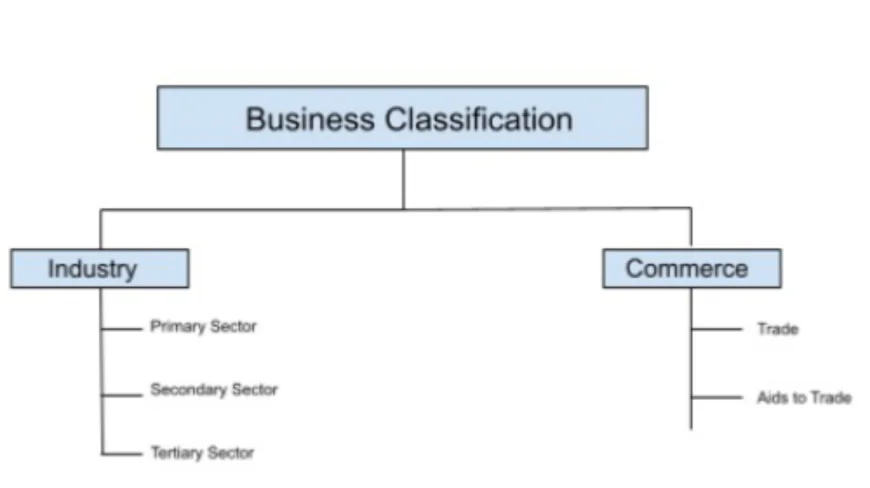
In today’s competitive market, businesses come in countless forms, each serving unique needs and audiences. Categorizing these businesses is essential for investors, policymakers, and entrepreneurs to understand how different industries operate, grow, and adapt to changes. Business categories are not just labels—they help define strategies, customer expectations, and market positioning.
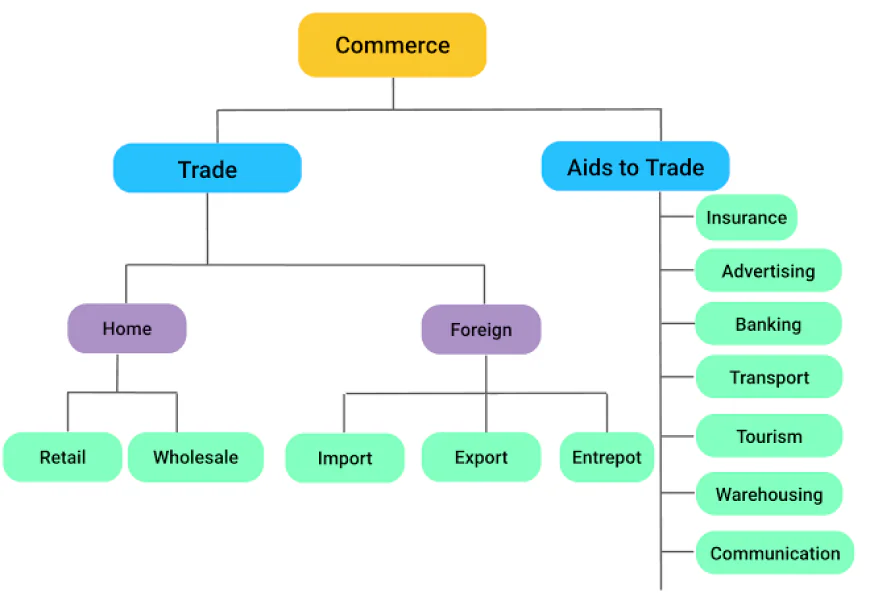
Types of Business Categories
Businesses are commonly classified into three broad categories:
1. Product-Based Businesses – These focus on manufacturing, distributing, or selling tangible goods. From smartphones to furniture, the value lies in the physical product delivered to the consumer.
2. Service-Based Businesses – These provide intangible value, such as consultancy, education, or healthcare. Here, expertise and customer experience drive success.
3. Hybrid Businesses – These combine products and services, like a software company offering both digital tools and technical support.
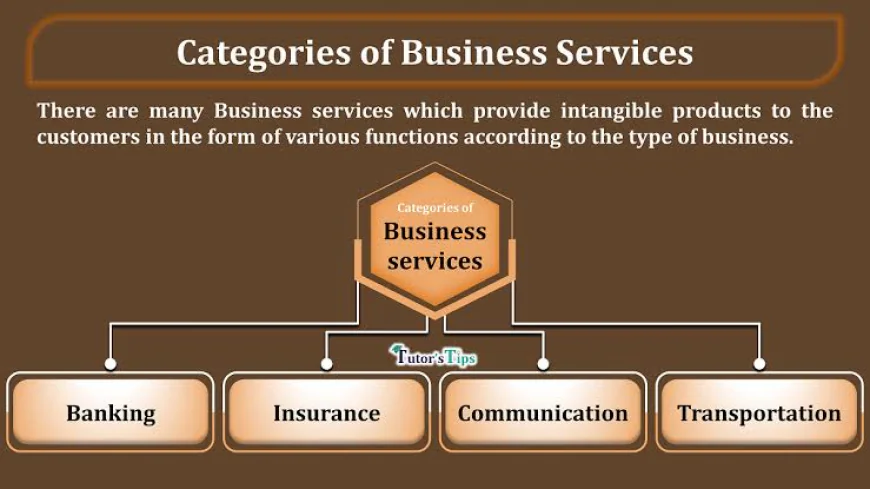
Why Categorization Matters
Understanding the business category helps in defining the target audience, marketing strategy, and operational approach. For example, a service-based business relies heavily on human skill and customer relationships, while a product-based company may prioritize supply chain efficiency and inventory management.
Categorization also influences how businesses are taxed, regulated, and financed. For investors, knowing the category can determine the type of risks and returns expected.
Emerging Trends in Business Categories
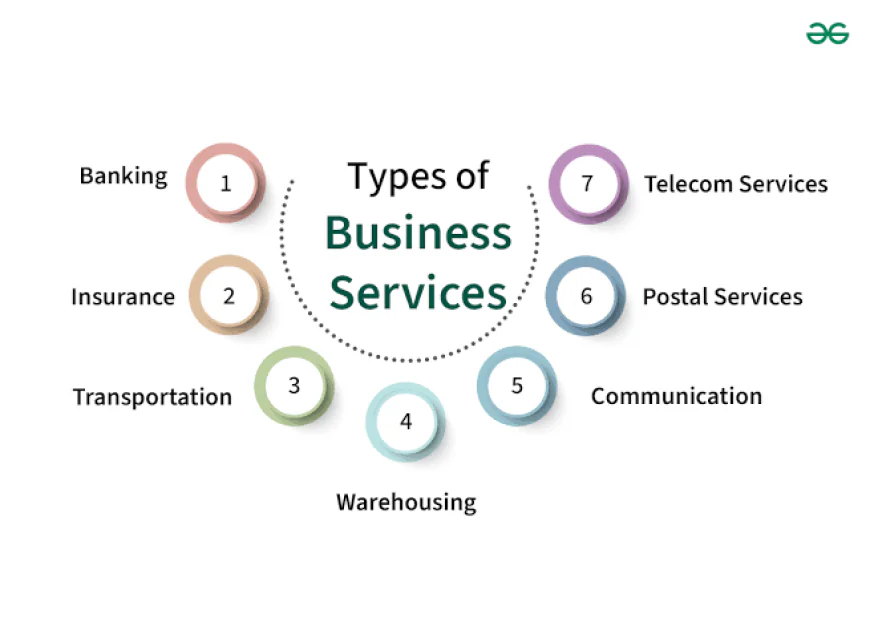
With technological advancement, new categories are emerging:
• E-commerce – Combining retail with technology, offering global reach.
• Green Businesses – Focused on sustainability, eco-friendly products, and ethical practices.
• Digital Services – Providing online-based solutions, from streaming to virtual consultations.
These modern categories reflect shifts in consumer behavior, environmental awareness, and technological innovation.
Choosing the Right Category for a New Business
For entrepreneurs, selecting the right category is a strategic decision. It determines the business model, funding requirements, and competitive landscape. Market research, consumer demand analysis, and long-term scalability should guide this choice. A well-defined category makes branding more effective and builds a clear identity in the marketplace.