



















The Rising Wave of Open & Distance Education in India
Open and distance education is witnessing an unprecedented surge in India, driven by digital transformation, flexibility in learning, and government recognition. As institutions like IGNOU lead the way, this mode of education is redefining access and quality in higher education.

A New Era of Learning
Education in India has traditionally been bound by physical classrooms and rigid schedules. However, in recent years, open and distance learning (ODL) has gained momentum, especially after the pandemic accelerated the shift towards online platforms. Students from diverse backgrounds working professionals, rural learners, and homemakers are embracing this system for its affordability and flexibility.
The latest NIRF 2025 rankings placed the Indira Gandhi National Open University (IGNOU) at the top, a testament to its vast network, quality curriculum, and student-centric approach. This achievement highlights how distance education is no longer seen as a “second option” but as a credible pathway to skill enhancement and degrees.
Why the Surge?
Several factors have contributed to the rise of ODL:
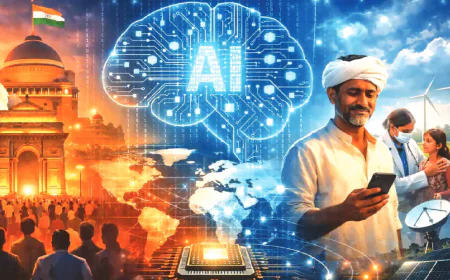
• Digital Inclusion: Affordable internet and smartphones have made virtual classrooms accessible even in semi-urban and rural areas.
• Flexibility: Unlike traditional colleges, students can learn at their own pace without compromising work or family responsibilities.
• Government Support: Policies under the National Education Policy (NEP) 2020emphasize lifelong learning and technology-driven education, boosting recognition for ODL degrees.
• Skill Development Focus: With industries evolving rapidly, short-term skill courses offered online are bridging the gap between academia and employability.
Challenges on the Horizon
While ODL has opened doors for millions, challenges persist. Many rural areas still lack stable internet connectivity, leading to a digital divide. Quality control remains a concern, as some private players compromise on academic rigor. Additionally, students often miss the peer interaction and hands-on experience of traditional classrooms, which are vital for holistic learning.
The Road Ahead
For ODL to thrive sustainably, there must be a balance between innovation and regulation. Strengthening digital infrastructure, enhancing faculty training, and introducing hybrid models that blend online and offline learning will be crucial steps.
As India marches towards becoming a global knowledge hub, open and distance education has the potential to democratize learning, ensuring that no dream is too distant and no learner is left behind. This is not just a shift in education delivery — it’s a revolution in how we perceive learning itself.