




































Sarabjit Kaur: The Indian Pilgrim Who Chose a New Life in Pakistan
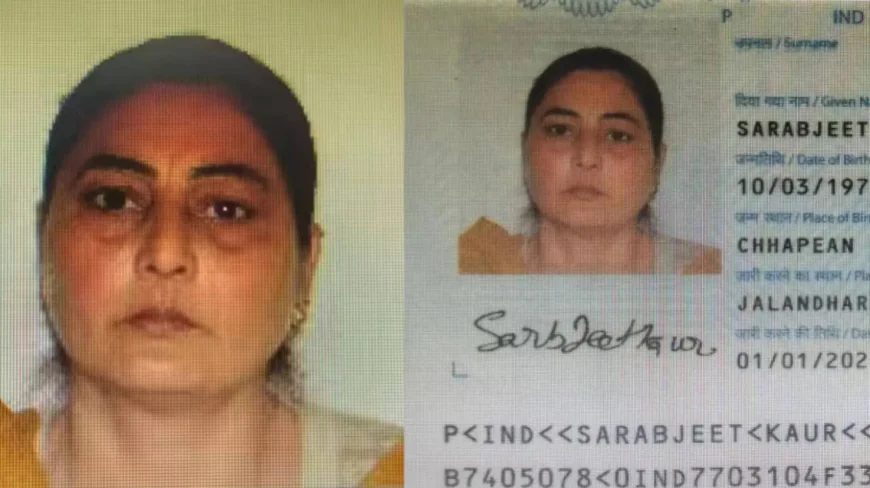
Sarabjit Kaur, a 48-year-old Sikh woman from Punjab, India, made headlines when she disappeared during a pilgrimage to Pakistan, converted to Islam, adopted the name Noor, and married a Pakistani man. Her case — marked by debates over agency, religion, and cross-border movement — has sparked legal and political attention in both India and Pakistan.

Who Is Sarabjit Kaur?
Sarabjit (also spelled Sarabjeet) Kaur hails from Amanipur village in Kapurthala district, Punjab, India. She has two sons and was previously divorced. In early November 2025, she traveled to Pakistan as part of a large group of Sikh pilgrims for the 556th birth anniversary of Guru Nanak Dev.
The Disappearance and New Life
While most of the pilgrims returned to India on November 13, her absence raised alarm. It later emerged that she had left the group the day after her arrival — on November 5 — to marry a Pakistani man named Nasir (or Naseer) Hussain in Sheikhupura district. According to court records, she converted to Islam of her own free will, took the Islamic name Noor, and solemnized her marriage with a mehar (dower) of Rs 10,000.
Legal Battles & Controversies
After her marriage, she appeared before a judicial magistrate in Pakistan, where she reaffirmed she was not coerced. However, the case quickly turned complicated: the couple claimed that Pakistani police had harassed them to annul the marriage, and even conducted a raid on their home. The Lahore High Court intervened and ordered authorities to stop harassing them.
Meanwhile, Pakistan’s government is reportedly considering whether she will be allowed to stay in the country or be deported — though some reports suggest she is seeking Pakistani citizenship as a spouse.
Perspectives & Implications
• Personal agency: Sarabjit insists she made her decision independently, having known Nasir for nearly nine years via social media.
• Religious dimensions: Her conversion from Sikhism to Islam raises questions about faith, identity, and choice.
• Political and diplomatic impact: The incident has drawn scrutiny from Indian agencies, Sikh organisations, and both Indian and Pakistani authorities. Some in her community demand a probe into whether she was pressured; others defend her right to choose.
• Legal protections: The Pakistani court’s intervention highlights concerns around rights, privacy, and cross-border marital unions.