


























Sai Pallavi’s Viral Photo Storm: A Debate on Privacy, AI Manipulation, and Female Agency
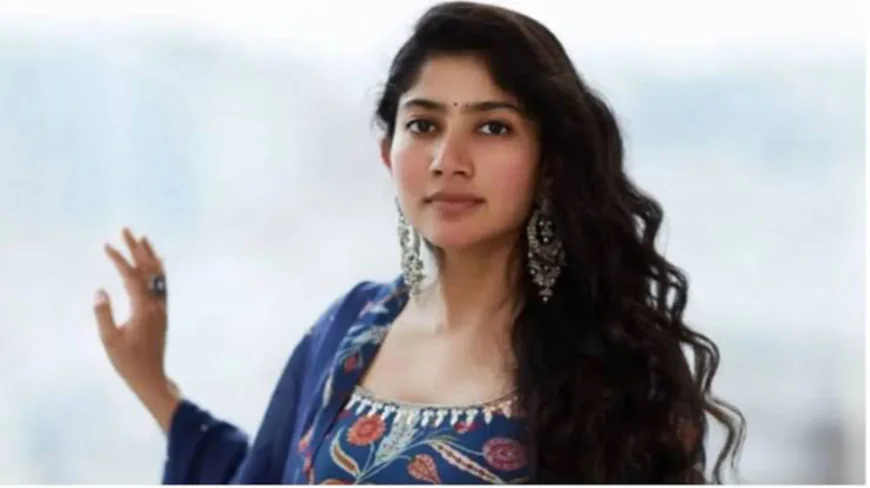
Actress Sai Pallavi, celebrated for her natural acting and graceful image, recently found herself at the center of an unexpected storm when swimsuit photos of her, shared by her sister, went viral on social media. What started as a personal moment quickly spiraled into a public spectacle, with rumors of AI-generated edits, online trolling, and heated debates over privacy, body image, and women’s autonomy in the digital age.

The Viral Frenzy
Sai Pallavi, known for her simple, non-glamorous screen presence, rarely shares personal images online. When her sister posted candid vacation pictures featuring Sai in a swimsuit, fans were taken by surprise. The images spread rapidly, sparking conversations and, unfortunately, online trolling. Many users began speculating whether the pictures were real or AI-generated, as deepfake technology has become alarmingly common in recent years.
In response, Sai Pallavi herself addressed the issue, clarifying that the photos were genuine and not manipulated. Her statement not only dismissed the rumors but also subtly highlighted the dangers of falsely labeling women’s photos as “fake” or “AI-generated” a tactic often used to shame or control women in the digital era.

A Larger Conversation About Privacy
This incident has reignited conversations about digital privacy. Celebrities, despite living in the public eye, deserve personal space and the right to control how their images are shared. In today’s hyper-connected world, even private family posts can become public fodder in a matter of minutes, leaving individuals vulnerable to criticism and harassment.
It also raises questions about accountability on social media platforms. Should there be stricter measures to prevent the misuse of personal images? And how can individuals especially women be protected against deepfake exploitation?
Redefining Female Agency
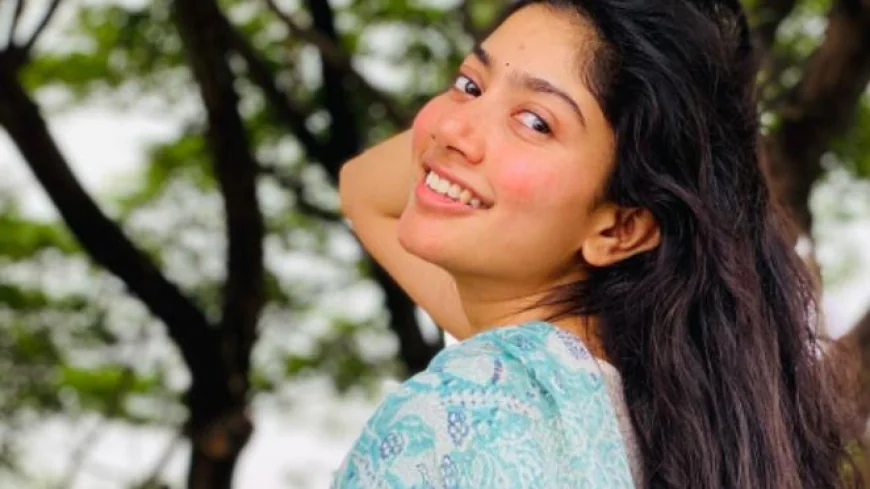
Sai Pallavi’s calm and dignified response to the controversy is a powerful reminder of female agency. By owning her image and standing firm against online judgment, she flipped the narrative. Instead of being silenced or shamed, she chose transparency and self-representation.
Her approach challenges societal double standards, where women are often scrutinized for their choices, appearances, and expressions of individuality.

Conclusion:
The Sai Pallavi photo controversy is about much more than viral images it’s a reflection of our times, where technology, privacy, and gender dynamics intersect. It calls for collective introspection on how we consume and respond to digital content, urging society to create safer, more respectful online spaces where women can exist freely without fear of judgment or manipulation.