


































Rise in Child Labour Threatens Literacy Goals — The Grim Reality of Ludhiana
As Ludhiana grapples with rising child labour, school enrollment rates are falling drastically, threatening India’s mission to achieve universal literacy. This article examines the causes, consequences, and urgent need for intervention.

A City of Industry, A Childhood Lost
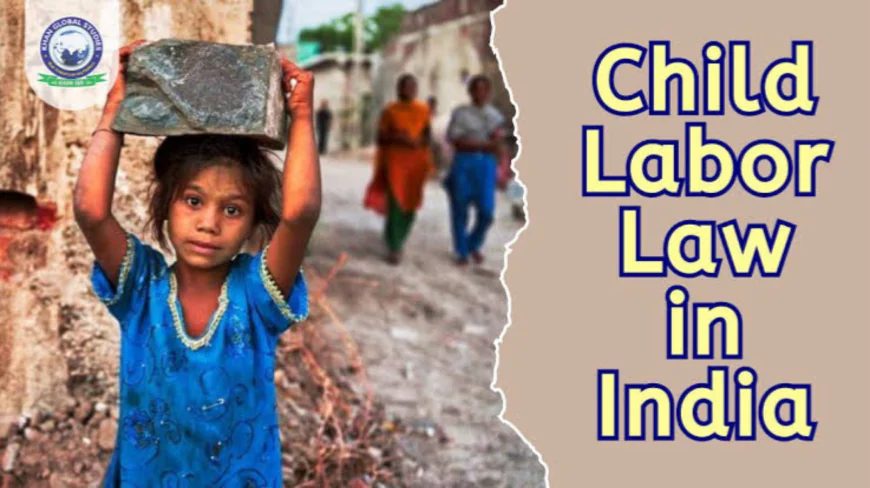
Ludhiana, often hailed as the “Manchester of India” for its thriving textile and industrial hubs, hides a heartbreaking truth behind its bustling factories and narrow lanes. In areas like Fauji Mohalla, the hum of sewing machines often drowns out the laughter of children. Instead of books and pencils, many young hands are busy stitching clothes, polishing shoes, or carrying loads trapped in a cycle of poverty and lost opportunities.
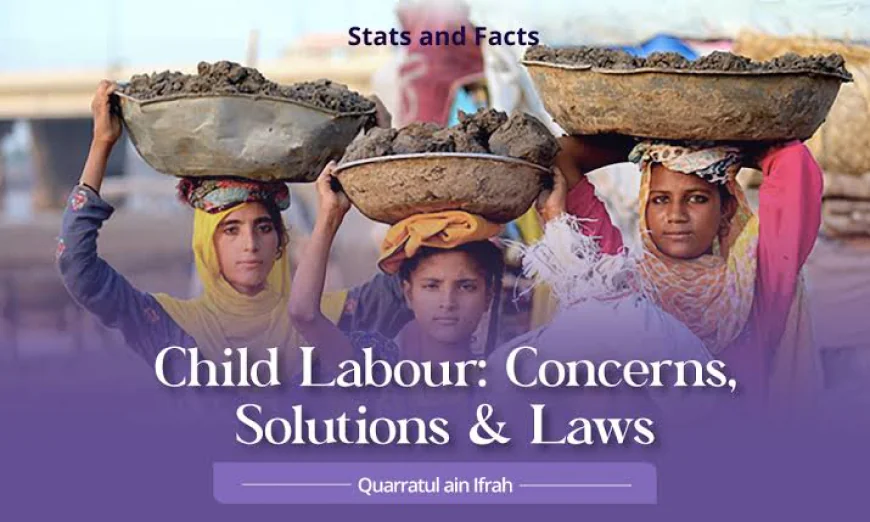
Recent reports have revealed a steep decline in school enrollment, with some neighborhoods recording a shockingly low attendance rate of just 3.7%. The closure of 32 National Child Labour Project (NCLP) centers in 2022 has worsened the situation, leaving vulnerable children without a safe space to learn or receive vocational training.
Why Families Choose Labour Over Learning
The roots of this crisis run deep. For families living hand-to-mouth, sending a child to school often feels like a luxury. Daily wages earned by children, though meager, help put food on the table. Rising inflation and limited access to government welfare schemes have pushed many parents to prioritize survival over education.
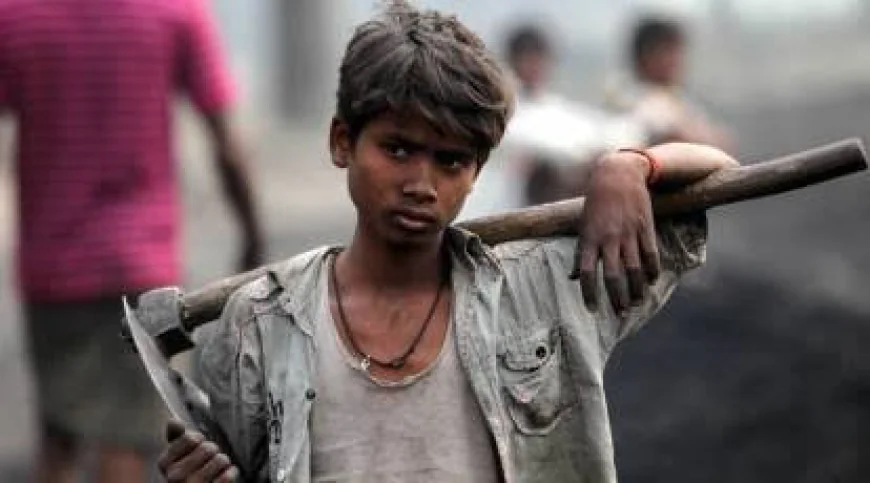
Compounding the issue, the education system itself struggles to retain students. Lack of proper infrastructure, overcrowded classrooms, and limited teacher engagement drive children away from schools. For many, the journey to literacy ends before it even begins.
Impact on Literacy and Society
This surge in child labour poses a severe threat to India’s National Education Policy (NEP) 2020goals, which emphasize universal access to quality education. Beyond statistics, the human cost is immeasurable a generation deprived of knowledge, confidence, and the chance to break free from poverty.
If left unchecked, Ludhiana’s crisis could set a dangerous precedent for other industrial cities, undermining decades of progress in education and child welfare.
The Way Forward
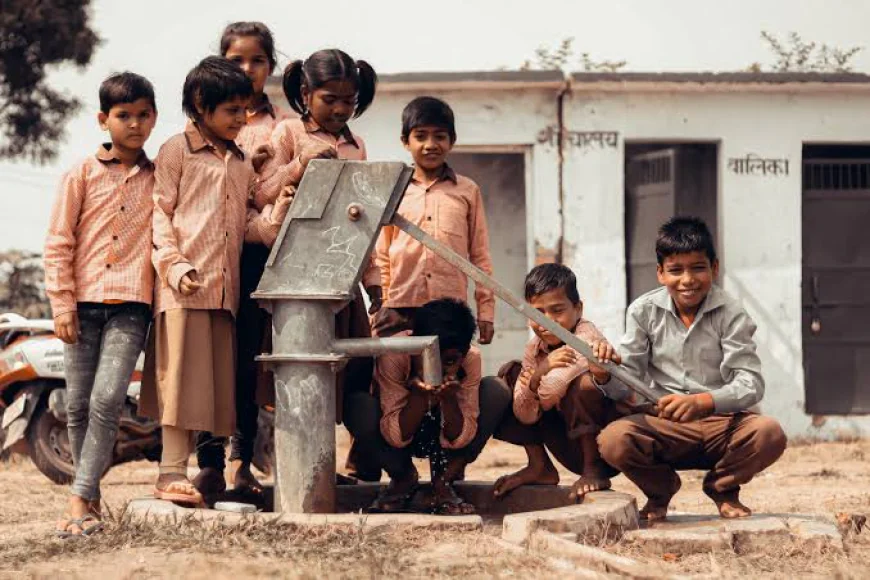
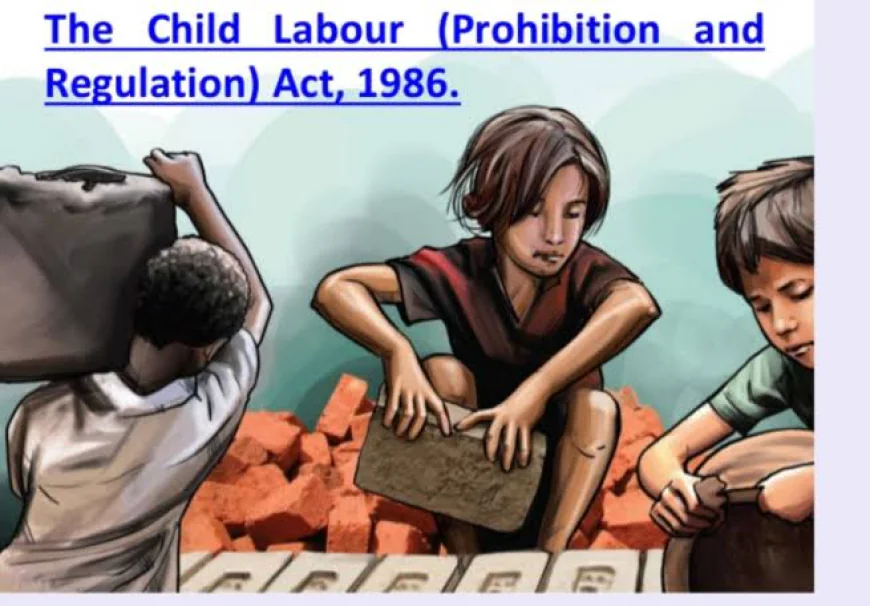
Tackling this challenge requires a multi-pronged approach: reopening NCLP centers, introducing community-based vocational programs, enforcing strict anti-child labour laws, and providing financial incentives to families who send children to school. Collaboration between government bodies, NGOs, and local industries is vital to ensure that no child is forced to trade education for survival.
Conclusion
The fight against child labour is not just about numbers or policies it’s about giving every child the right to dream, learn, and grow. Ludhiana’s factories may produce garments for the world, but the city must not let its children be stitched into the fabric of exploitation.