

























Reviving Creativity and Connection: How Indian Schools Are Embracing Holistic Education
Educational institutions in India are moving beyond rote learning, embracing art, emotion, and creativity as key elements of student growth. From Uttar Pradesh’s art festivals to Gujarat’s “Sneh Sparsh over Gadget Sparsh” initiative, schools are redefining what it means to truly educate a child in today’s digital world.

A Shift from Marks to Meaning
For decades, India’s education system revolved around exams and grades. But a quiet revolution is underway — one that values imagination, empathy, and self-expression as much as academic scores. The National Education Policy (NEP) 2020 has become a catalyst, pushing states to include art, culture, and emotional well-being into the learning process.
Uttar Pradesh’s recent art festival embodies this vision. The event encouraged students from government and private schools to explore painting, theatre, and dance as tools of self-expression. Teachers observed a remarkable transformation: shy students found their voice on stage, while others discovered confidence through creativity. The festival wasn’t about competition — it was about connection.
Sneh Sparsh over Gadget Sparsh: The Gujarat Example
In Gujarat, the innovative project “Sneh Sparsh over Gadget Sparsh” is winning hearts. The idea is simple but powerful — replace screen time with human touch and emotional bonding. Schools under the Gujarat Vidyapith network have started encouraging students to spend less time on phones and more time with family, nature, and creative hobbies.
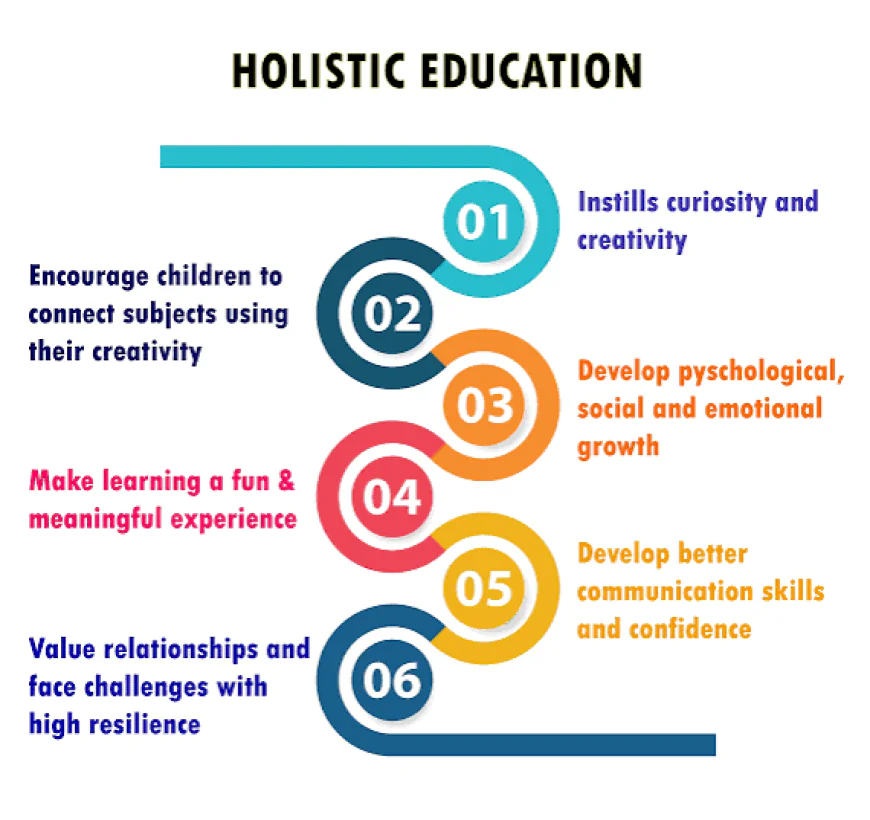
This initiative recognizes a truth many adults overlook: emotional education is as vital as intellectual growth. Teachers facilitate sessions where students express gratitude, share feelings, and engage in collaborative art. The goal is not to eliminate technology, but to use it mindfully — without letting it erode empathy and human connection.
The Road Ahead
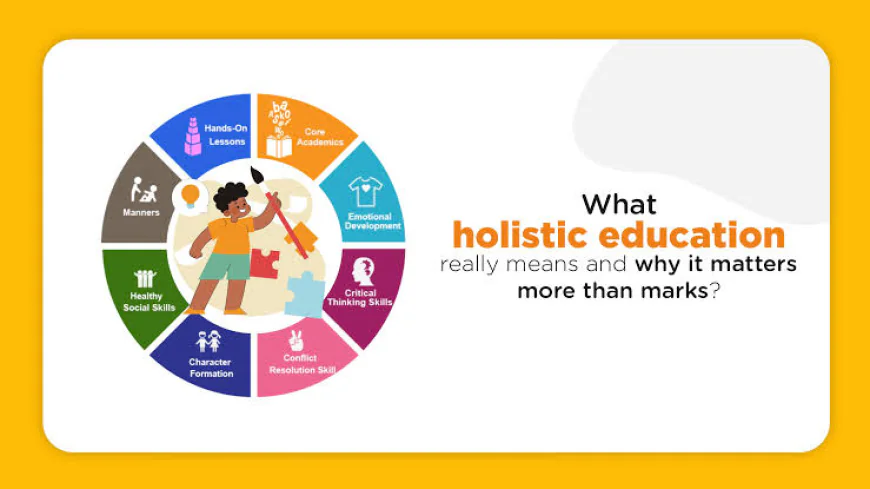
As India’s classrooms evolve, such initiatives are proving that education is not just about producing toppers, but nurturing thinkers, artists, and compassionate citizens. The growing inclusion of holistic practices signals a welcome shift from mechanical learning to meaningful living.
If this momentum continues, the future classroom may look less like an exam hall and more like a space for discovery where curiosity, kindness, and creativity are valued as much as knowledge itself.