




































Rapido’s Stunning Rise: Redefining India’s Ride-Hailing Market
In a surprising turn of events, Rapido has surpassed industry giants Uber and Ola to become India’s leading ride-hailing platform. Its focus on affordability, hyper-local services, and innovative strategies has reshaped urban transportation, particularly in Tier 2 and Tier 3 cities.

Rapido’s Journey from Bike-Taxi Startup to Market Leader
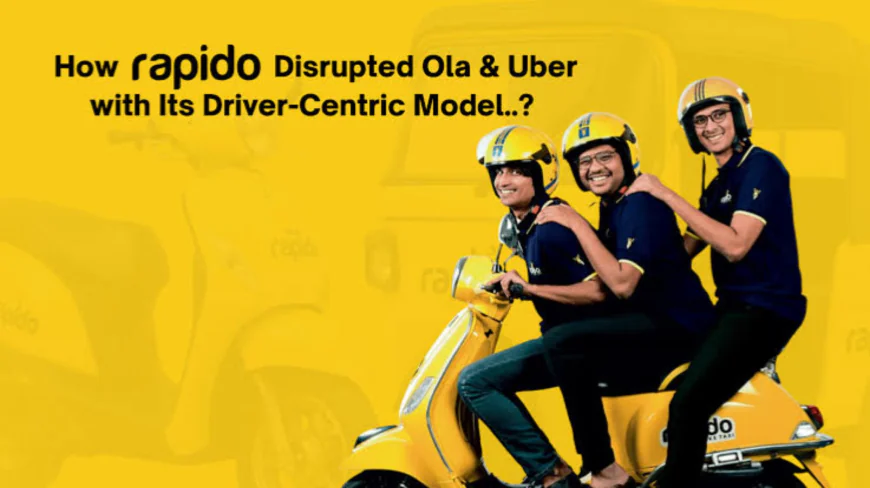
When Rapido was launched in 2015, it was seen as just another bike-taxi startup in a market already dominated by Ola and Uber. However, instead of competing head-on with cars and premium cabs, Rapido chose a niche—two-wheeler rides. This low-cost, quick, and flexible option appealed to commuters battling daily traffic chaos, especially in smaller cities where four-wheeler rides were either expensive or unavailable.
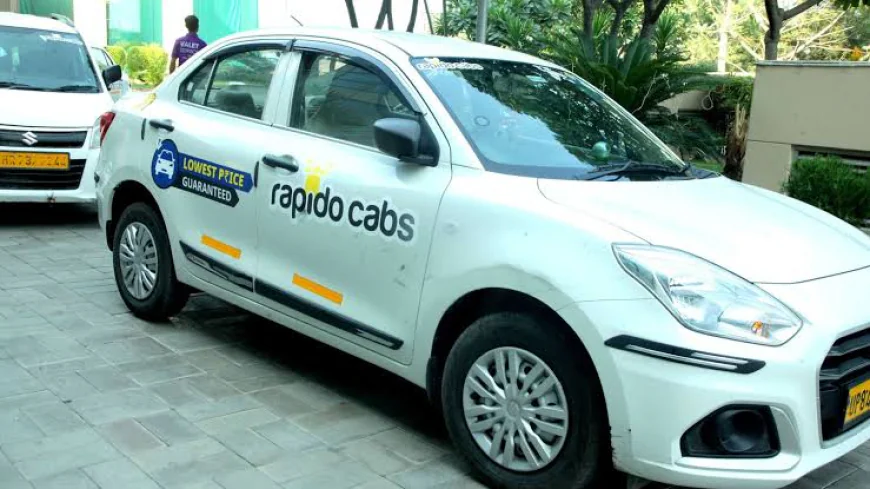
Over time, Rapido expanded its services to include autos and shared rides, steadily building a strong user base. Its ability to deeply understand local market needs gave it an edge, and today, Rapido commands nearly 50% of India’s ride-hailing market, overtaking both Uber and Ola.
Why Rapido’s Model Works
One of Rapido’s biggest strengths is its affordability. With rising fuel costs and stagnant wages, commuters are more price-sensitive than ever. Rapido’s bike and auto rides provide a cheaper alternative without compromising on speed.
Additionally, Rapido has focused on Tier 2 and Tier 3 cities, an area often neglected by competitors. By onboarding local drivers and tailoring services for these regions, the company has unlocked massive growth potential.
The brand’s community-driven approach also plays a role. Unlike global players that rely heavily on algorithms, Rapido maintains a close relationship with its driver partners, offering flexible work hours and better incentives. This has fostered loyalty and reduced driver attrition.

The Road Ahead
As Rapido celebrates this milestone, challenges remain. Regulatory hurdles, safety concerns, and competition from electric vehicle startups are looming threats. Moreover, both Uber and Ola are expected to strike back with aggressive strategies.
To stay ahead, Rapido plans to invest in EV fleets, expand its last-mile delivery services, and strengthen its presence in semi-urban areas. With India’s urban mobility market projected to grow exponentially over the next five years, Rapido’s journey is far from over.
Rapido’s rise is more than just a business success story—it reflects changing consumer behavior, the growth of affordable tech-driven solutions, and the emergence of homegrown startupschallenging global giants on their own turf. This victory marks a new chapter in India’s urban transport revolution.