



























Raghav Chadha Hosts Blinkit Delivery Partner After Viral Video Sparks Pay Debate
A viral video showing a Blinkit delivery partner highlighting low earnings caught national attention and ignited conversations around gig worker pay. Aam Aadmi Party leader Raghav Chadha invited the delivery partner for a personal interaction, turning a fleeting viral moment into a broader discussion on dignity of labour, fair compensation, and the realities of India’s fast growing gig economy.

A Viral Clip That Struck a Chord
The video that circulated widely on social media was simple yet powerful. A Blinkit delivery partner spoke candidly about the modest amount he earned per delivery and the long hours required to make ends meet. His calm explanation resonated with viewers who rely daily on instant delivery apps but rarely pause to think about the people behind the service. Within hours, the clip sparked debates on worker rights, algorithm driven pay, and the true cost of convenience.
Raghav Chadha Steps In
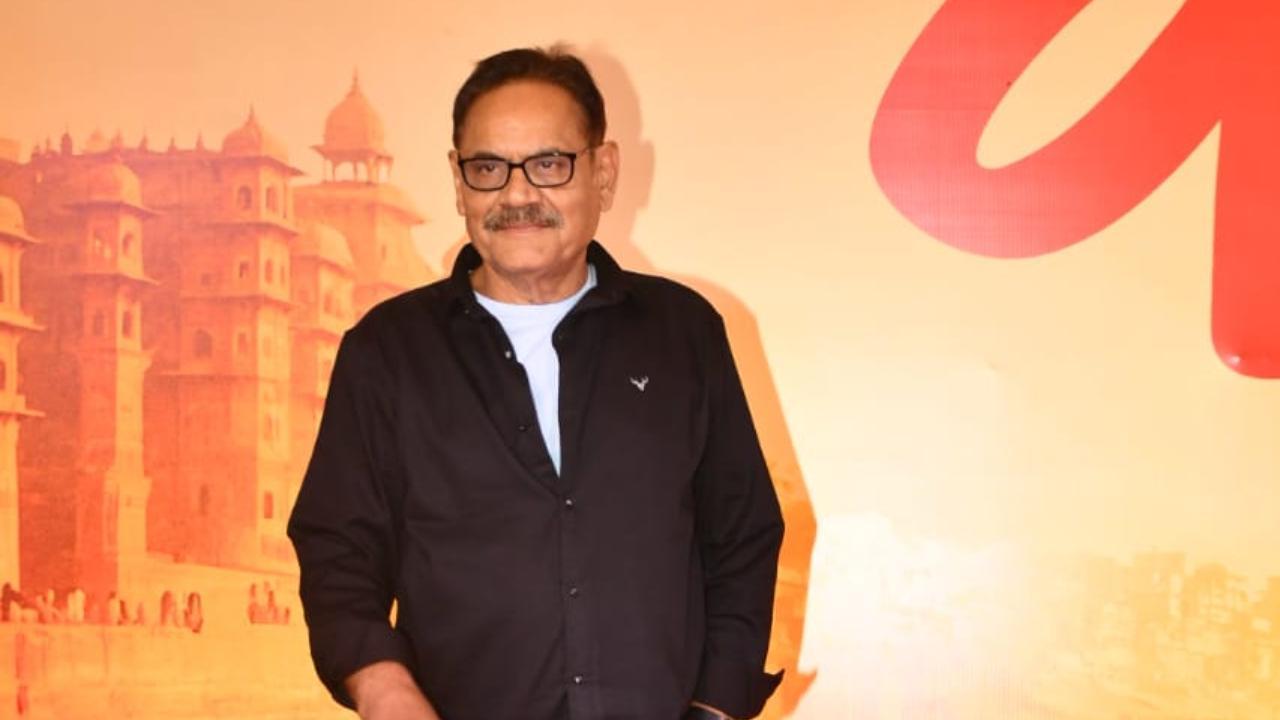
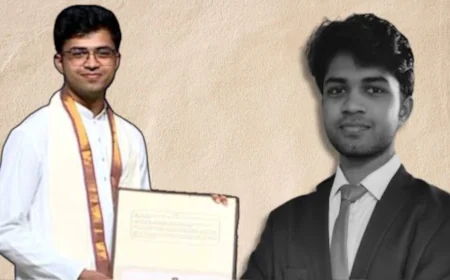
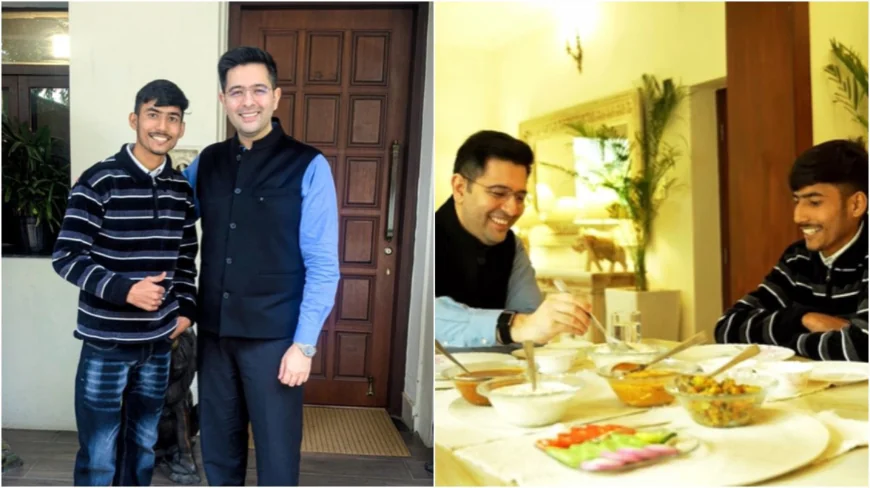
Amid the online discussions, Rajya Sabha MP Raghav Chadha reached out to the delivery partner and invited him for a conversation. The meeting was not staged as a political spectacle but framed as a listening exercise. Chadha shared images of their interaction, noting that voices from the ground deserve attention, not just applause in comment sections. The gesture was widely seen as an attempt to humanise the policy conversation around gig work.
Putting the Spotlight on Gig Workers
During their interaction, the focus remained on everyday realities. Delivery partners often work without fixed hours, social security, or income stability. While platforms promise flexibility, many workers depend entirely on these jobs for survival. Chadha acknowledged that India’s urban economy now runs on the backs of gig workers, from food delivery riders to grocery partners, yet legal protections and pay transparency still lag behind.
Beyond One Platform or One Person
The incident quickly moved beyond Blinkit as a brand. It reopened questions about how delivery platforms calculate payouts, incentives, and penalties. Social media users pointed out that rising fuel costs and inflation further squeeze take home earnings. Others stressed that consumers too play a role, as the demand for ultra fast deliveries often pushes workers into risky schedules.
Why This Moment Matters
What made this episode stand out was its shift from outrage to dialogue. Instead of fading away like many viral clips, it prompted a face to face exchange that reflected empathy rather than judgment. For many, the image of a policymaker listening to a delivery partner symbolised a larger hope that gig workers will no longer remain invisible.
As India’s app driven economy expands, stories like this remind us that progress should not come at the cost of dignity. Conversations sparked by one delivery partner’s honesty may well influence how future policies are shaped around fair work and humane growth.