
































Navratri Drives Record Car Sales: How GST 2.0 Fueled India’s Auto Boom
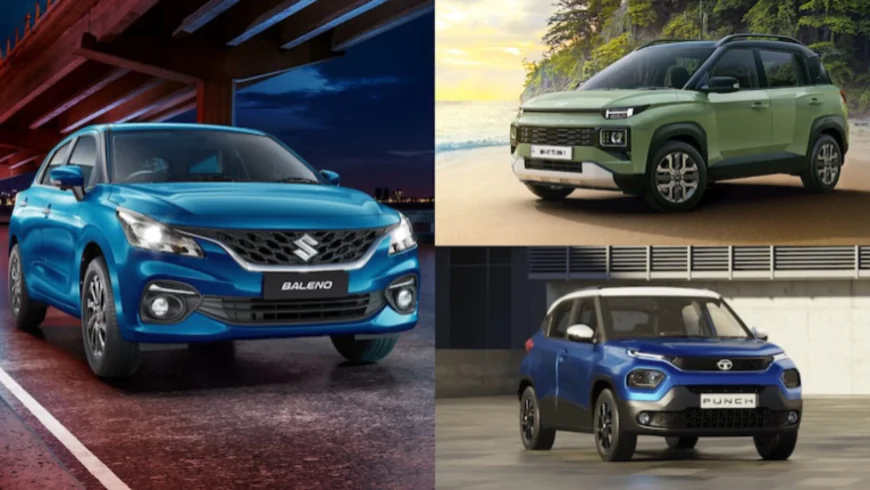
This Navratri season witnessed record-breaking car sales across India, with brands like Tata, Hyundai, and Maruti Suzuki seeing unprecedented demand. The implementation of GST 2.0 played a pivotal role in making cars more affordable, while festive offers and growing demand for pre-owned vehicles added to the surge.

Festive Spirit Meets Economic Policy
Navratri has always been a time when Indian consumers make big-ticket purchases, but this year the numbers surpassed expectations. Traditionally, car buyers wait for the festive season to avail special discounts, easy financing, and attractive exchange schemes. However, 2025’s sales surge wasn’t just about sentiment—it was also about policy.
The introduction of GST 2.0, which rationalized tax slabs for automobiles, significantly lowered prices across segments. This reform simplified the taxation structure, reduced cascading taxes, and encouraged buyers to upgrade to new vehicles. For the middle-class consumer, the difference in final on-road prices was substantial, making car ownership more accessible than ever before.
Automakers Ride the Wave
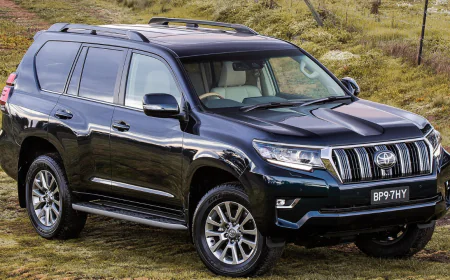
Leading companies like Tata Motors, Hyundai, and Maruti Suzuki recorded their highest-ever Navratri bookings. SUVs remained the star of the season, with compact models leading sales. Automakers smartly aligned their marketing with the festive mood, offering limited-edition variants and attractive zero-down-payment schemes.
Interestingly, online resale platforms like Cars24 and Spinny also witnessed a boom. With GST 2.0 streamlining taxation for pre-owned cars, buyers felt more confident about second-hand purchases, driving growth in this once-unorganized sector.
The Pre-Owned Car Market’s Rise
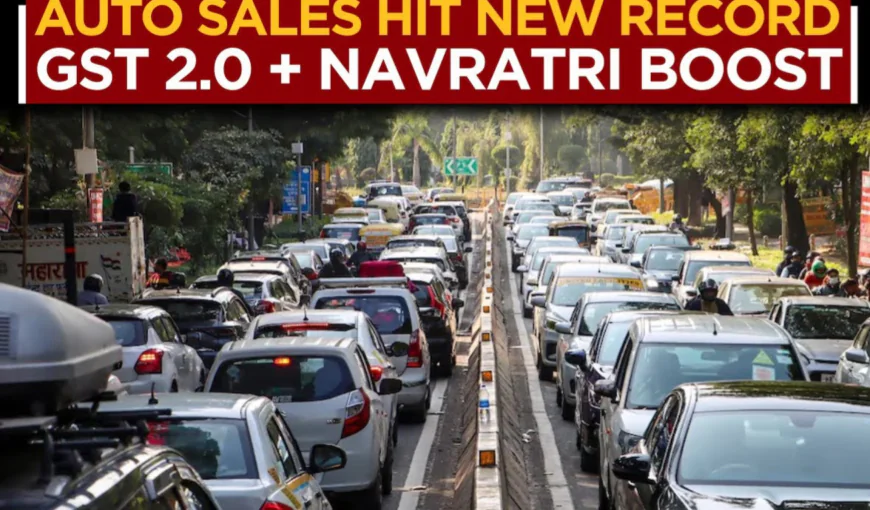
The affordability factor extended to used vehicles, where first-time buyers flocked to certified platforms. Many families, especially in smaller towns, chose quality pre-owned cars as an entry point into personal mobility. With better financing options and transparent pricing, this segment is rapidly becoming a mainstream choice rather than just a budget alternative.
Looking Ahead
The record sales this Navratri are more than just a festive high they are a reflection of how thoughtful policy reforms can stimulate demand. If this momentum continues, India’s automobile sector could witness sustained growth in the coming quarters, benefitting not just manufacturers but also ancillary industries like finance, insurance, and logistics.
As consumers drive home their dream cars, GST 2.0 has proven to be a game-changer, turning Navratri 2025 into a landmark moment for India’s auto industry.