
































Malabar Gold Linked to Pakistan Over London Influencer Ads, Bombay HC Grants Relief
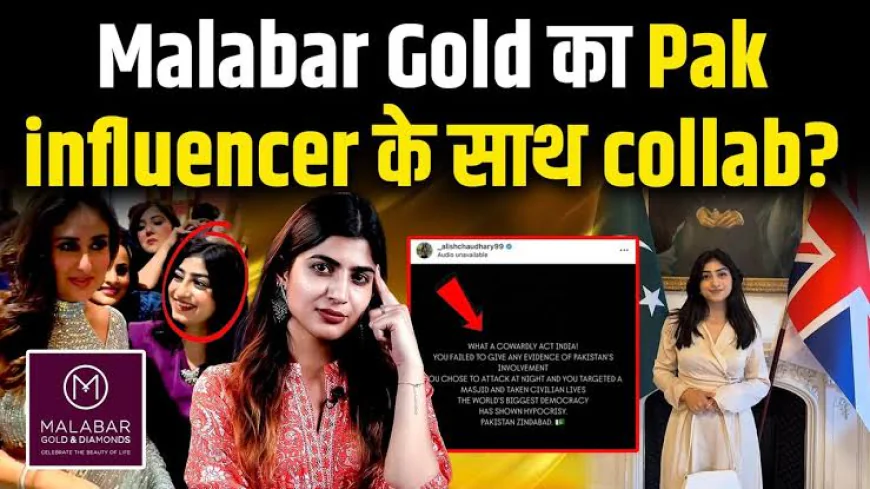
A legal storm around Malabar Gold’s influencer campaign in London, which allegedly carried indirect links to Pakistan, has recently taken an unexpected turn. The Bombay High Court has granted the jewelry giant relief, sparking debates on global branding strategies, cross-border sensitivities, and the balance between reputation and regulation in Indian business.


Background of the Controversy
Malabar Gold, one of India’s leading jewelry brands with a massive footprint across the Gulf, Europe, and India, found itself in the spotlight after a series of influencer-led campaigns in London. Critics claimed that the campaign indirectly promoted associations with Pakistan through its choice of collaborators and subtle cultural cues. This quickly spiraled into headlines, with questions raised about the brand’s due diligence in selecting influencers abroad.

High Court’s Intervention
The Bombay High Court, however, stepped in to pause the storm. The company argued that the allegations were speculative, rooted more in perception than in proof. The court observed that while sensitivity around cross-border relations cannot be dismissed, business reputation cannot be tarnished on vague suspicions. By granting relief, the HC gave Malabar Gold breathing space to rebuild its image and redirect the narrative.
What This Means for Indian Brands Abroad
The episode highlights a growing challenge for Indian businesses expanding overseas. In a global market, campaigns often transcend borders, but cultural and political contexts still carry heavy weight back home. A simple collaboration in London can ignite controversy in Mumbai or Delhi, underscoring how interconnected branding and geopolitics have become.

For Malabar Gold, the HC’s relief is more than just a legal win—it’s a reminder of the tightrope that Indian companies walk when trying to appeal to a diverse global audience while maintaining domestic trust.
A Larger Lesson in Branding Sensitivity
The case also opens up a broader dialogue on influencer marketing. With rising scrutiny, brands may need to invest more in cross-cultural research and background checks before associating with international faces. What works in London might not resonate—or may even backfire—in India’s emotionally charged public sphere.
Conclusion
The Bombay High Court’s decision offers temporary respite to Malabar Gold, but the episode is a cautionary tale for Indian businesses seeking global recognition. In today’s hyperconnected world, reputation is shaped not just by quality or innovation, but also by the unseen threads of politics, perception, and cultural context.