



































Maharashtra Cracks Down on Pharmacy Colleges: 89 Institutions Barred from Admissions
In a major move to ensure the quality of pharmaceutical education, 89 pharmacy colleges in Maharashtra have been barred from admitting new students for the 2025-26 academic year. The decision comes after extensive inspections revealed serious violations related to faculty, infrastructure, and laboratory facilities. This bold step is aimed at protecting students’ futures and raising the standard of healthcare education in the state.

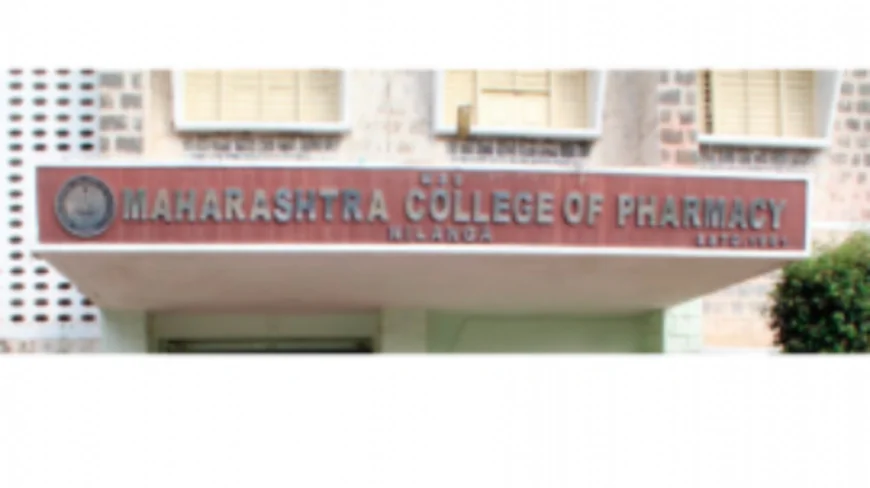
A Bold Step for Accountability
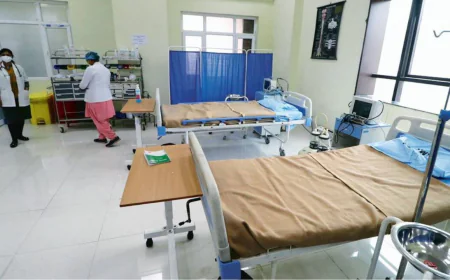
The Maharashtra State Pharmacy Council and the Pharmacy Council of India jointly carried out surprise inspections across the state earlier this year. The findings were alarming: many colleges lacked qualified faculty, while others operated with unsafe or poorly maintained laboratories. Some institutions were found to have inadequate classrooms and outdated equipment, making it impossible to meet the practical training requirements essential for pharmacy education.
By halting new admissions, the government has sent a clear message: substandard education will not be tolerated, especially in fields like pharmacy, where graduates directly impact public health.
Why This Matters for Students
Pharmacy students depend heavily on hands-on training to develop the skills needed to handle medicines safely and effectively. Inadequate labs and poor teaching quality not only harm the academic growth of students but also put patients at risk when these students graduate into professional roles.
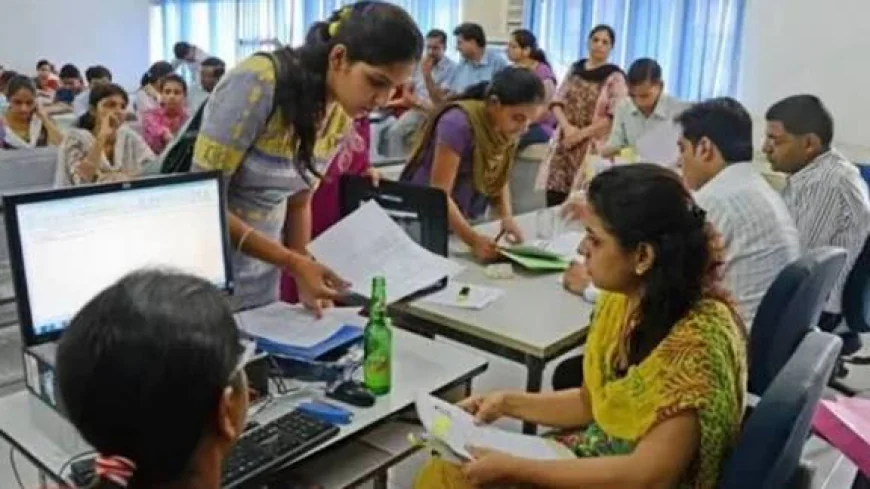
Many students who were considering these colleges for admission will now need to explore other recognized institutions. While this may initially cause inconvenience, it ultimately protects them from wasting years of study at colleges that cannot provide proper education or valid degrees.
A Wake-Up Call for the Education Sector
This crackdown reflects a larger issue in India’s education landscape: rapid expansion without proper quality control. Pharmacy programs have grown significantly in recent years due to rising demand for healthcare professionals, but some private colleges have prioritized profit over student welfare and academic excellence.
Education authorities are now expected to introduce stricter monitoring and transparent guidelines to prevent similar violations in the future. Regular audits, digital tracking of faculty attendance, and student feedback mechanisms could play a vital role in maintaining standards.
Conclusion:
The ban on admissions to 89 pharmacy colleges in Maharashtra is a strong step toward safeguarding both students and public health. While the move disrupts short-term plans, it lays the foundation for a more credible, skill-driven pharmaceutical education system — one that truly prepares students for the responsibilities of modern healthcare.