



































Learning Hotspots of India: Kerala Tops the Education Map, Others Close Behind
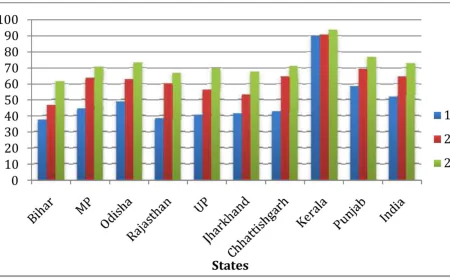
Education standards across Indian states vary widely, shaped by literacy, access to schools, higher education opportunities and public investment. Kerala continues to lead the chart, followed by several states that have made steady progress through focused policies and community participation.

Kerala’s Consistent Lead
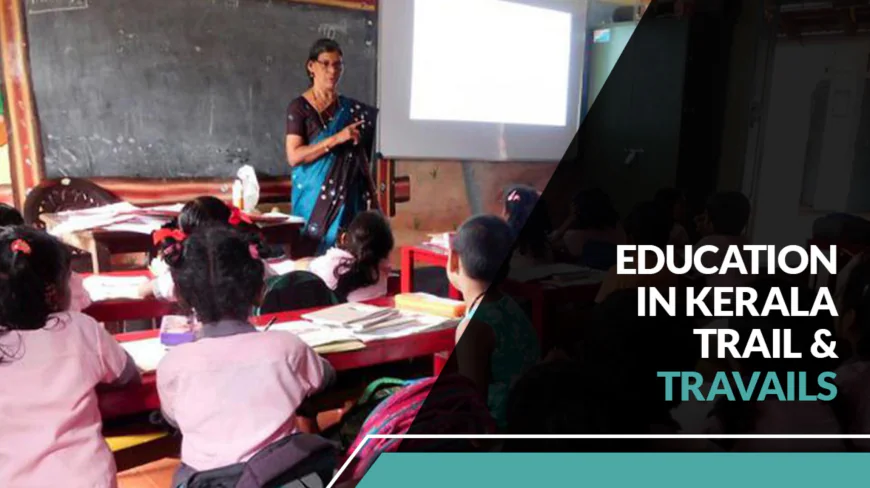
Kerala has long been seen as India’s education benchmark. Near universal literacy, strong government schools and high female participation keep the state at the top. Public libraries, local self government involvement and a culture that values learning beyond classrooms have helped Kerala maintain its edge year after year.
Tamil Nadu’s Strong Institutional Base
Tamil Nadu ranks close behind due to its vast network of schools, colleges and technical institutions. The state has invested heavily in engineering, medical and vocational education. Affordable higher education and welfare schemes for students have played a major role in improving enrolment and retention.
Maharashtra’s Academic Diversity
Maharashtra stands out for the range of educational opportunities it offers. From rural schools to globally known universities in Mumbai and Pune, the state balances mass education with elite institutions. Private sector participation and skill based programs add to its strength.
Himachal Pradesh’s Focus on Literacy
Despite its challenging terrain, Himachal Pradesh has built a solid education system. High literacy rates, teacher availability and emphasis on school level education have pushed the state into the top bracket. Smaller population size has also helped ensure better coverage.
Karnataka’s Knowledge Economy Push
Karnataka benefits from its role as a technology and innovation hub. Bengaluru’s presence has boosted demand for higher education, research and professional courses. The state has also expanded digital learning and startup linked skill programs.
Delhi’s Urban Advantage
The national capital region performs well due to easy access to quality schools, universities and coaching institutes. Central universities and specialised colleges give Delhi an edge, although challenges remain in managing inequality across regions.
Gujarat’s Infrastructure Driven Growth
Gujarat has improved its education ranking through better infrastructure and industry linked courses. Focus on engineering, management and vocational training has aligned education with employment needs.
Punjab’s School Level Strength
Punjab shows strong performance at the school level, supported by relatively high literacy and government initiatives to modernise classrooms. Higher education still has room to grow.
Uttarakhand’s Steady Progress
Uttarakhand has invested in school access in remote areas and expanded higher education in recent years. Teacher recruitment and digital tools have helped bridge geographic gaps.
West Bengal’s Academic Legacy
West Bengal rounds off the top ten, backed by its long academic tradition and well known universities. Recent efforts to modernise curricula and improve school infrastructure have supported its position.
Looking Ahead
India’s education landscape is evolving. While Kerala remains the leader, other states are closing the gap through targeted reforms, technology adoption and community involvement. The race now is not just about literacy, but about quality, skills and future readiness.