




































India’s Swadeshi 4G Push: BSNL Leads Digital Revolution with Odisha Mega Investment
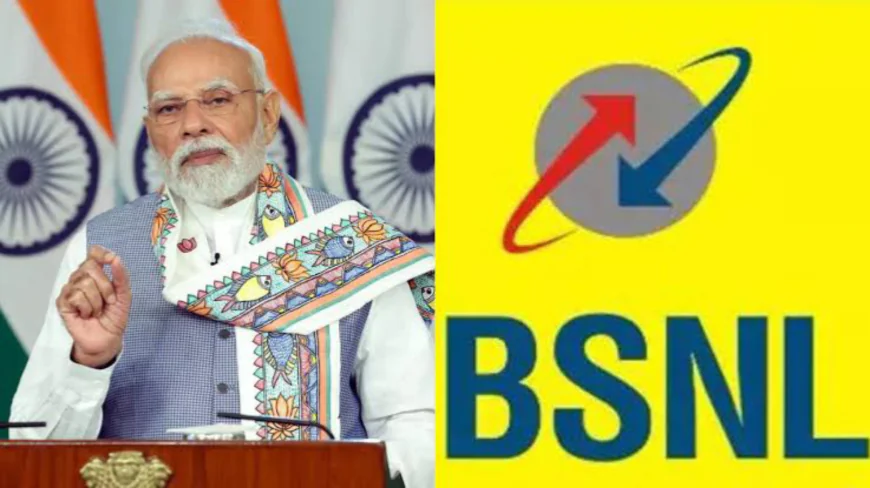
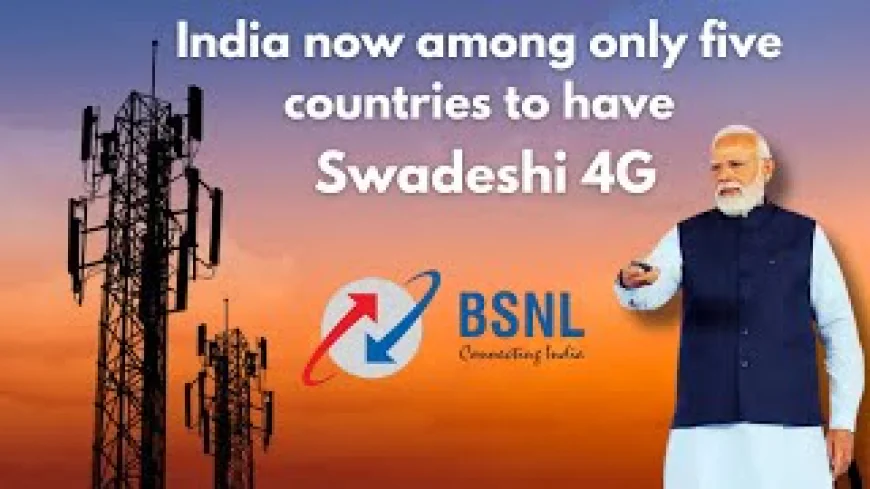
Prime Minister Narendra Modi launched BSNL’s fully indigenous 4G services while unveiling development projects worth over ₹60,000 crore in Odisha. This initiative marks a significant step towards Digital India, boosting connectivity, regional growth, and self-reliance in the telecom sector.

BSNL’s Indigenous 4G Rollout
The launch of BSNL’s swadeshi 4G network is a landmark moment for India’s telecom industry. Unlike private telecom operators who rely heavily on foreign technology, BSNL’s network has been built entirely using Indian hardware and software. This aligns with the government’s Atmanirbhar Bharatvision, reducing dependency on global telecom giants.
The indigenous 4G technology promises not only faster connectivity but also enhanced data security, a crucial factor amid global cyber threats. By leveraging local talent and resources, BSNL is paving the way for the eventual rollout of India-made 5G networks.
Massive ₹60,000 Crore Investment for Odisha
During the event, PM Modi also inaugurated development projects worth ₹60,000 crore across sectors like railways, education, healthcare, and digital infrastructure.
These investments are expected to generate thousands of jobs, improve logistics, and boost industrial growth in the state. The focus on Odisha underscores the government’s intent to bring technological and economic opportunities to eastern India, which has long been underserved compared to other regions.
Driving Digital Inclusion
BSNL’s swadeshi 4G rollout is especially significant for rural and remote areas where private operators have limited reach. Improved connectivity will bridge the digital divide, allowing more citizens to access online education, telemedicine, e-governance services, and digital banking.
For small businesses, better internet access can open doors to e-commerce and broader markets, strengthening the grassroots economy.
Challenges Ahead
While the launch is a milestone, BSNL faces tough competition from private players like Jio and Airtel. Scaling up its network rapidly while maintaining service quality will be key. Additionally, indigenous technology must keep pace with global standards to ensure competitiveness and user satisfaction.
Conclusion:
The launch of BSNL’s indigenous 4G network, coupled with a massive investment push in Odisha, is a bold step towards a digitally empowered and self-reliant India. If executed well, this initiative can transform connectivity, empower rural communities, and position India as a leader in homegrown telecom innovation.