





































India’s Rising Toll from Extreme Weather: A Silent Crisis Unfolding
Over the past 25 years, India has witnessed a shocking 269% rise in deaths caused by extreme weather events like heatwaves, lightning, floods, and cold waves. This alarming trend reflects the deepening climate crisis and highlights urgent gaps in infrastructure, awareness, and policy execution.

A Dangerous New Normal
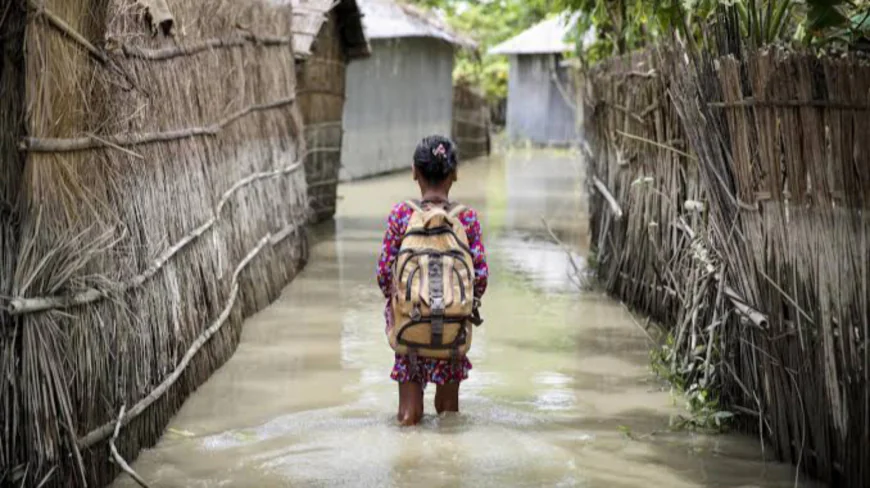
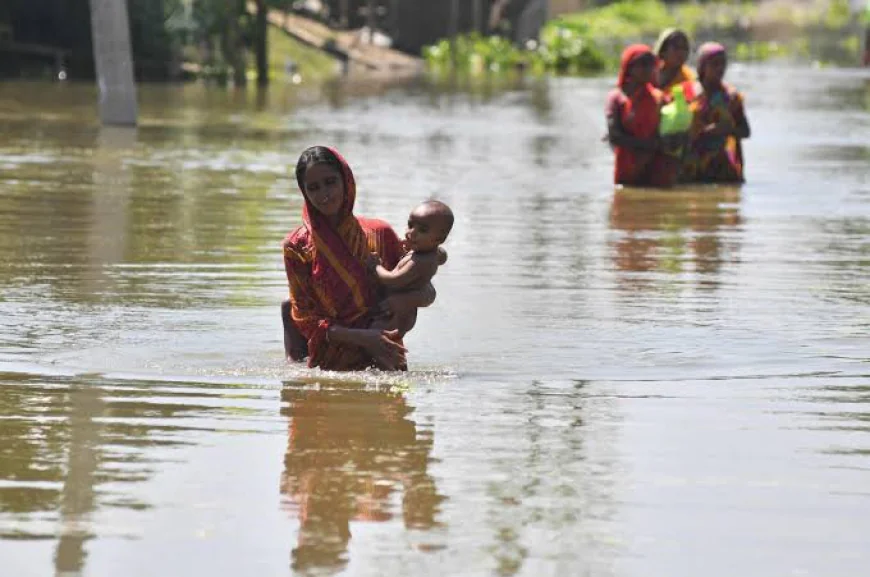
India has always been a country of diverse climates, but what was once seasonal and predictable has now become erratic and deadly. Recent data reveals a sharp surge in weather-related fatalities. Events like intense heatwaves, unseasonal rainstorms, and lightning strikes are claiming thousands of lives annually.
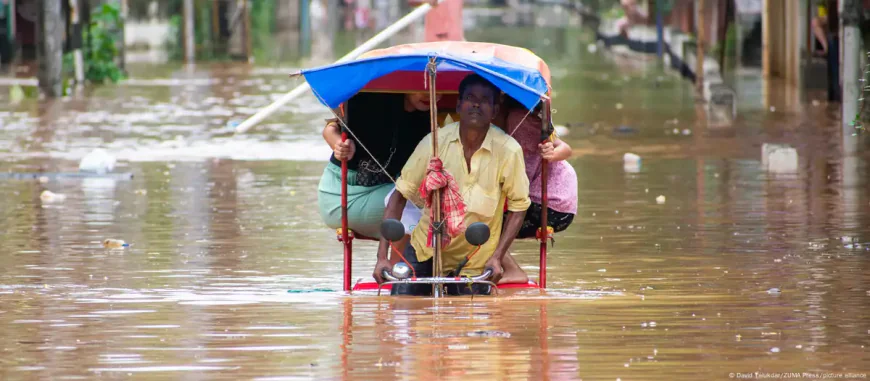
In 2025 alone, multiple states experienced unprecedented heatwave spells, with temperatures soaring past 48°C in some regions. Similarly, flash floods and cloudbursts in the Himalayan states disrupted entire communities. These disasters are no longer rare they are the new normal.
Why the Numbers Are Rising
Several factors explain the spike in deaths:
• Urbanization without planning: Cities with shrinking green cover trap heat, worsening heatwave impacts.
• Climate change: Rising global temperatures are intensifying cyclones, storms, and erratic rainfall.
• Rural vulnerability: Farmers and laborers working outdoors face greater risks due to poor access to shelters and healthcare.
• Lack of awareness and warning systems: Many rural areas still lack proper early-warning networks for lightning and floods.
The intersection of poverty and climate change has created a perfect storm where vulnerable communities suffer the most.
The Human Cost Behind the Statistics
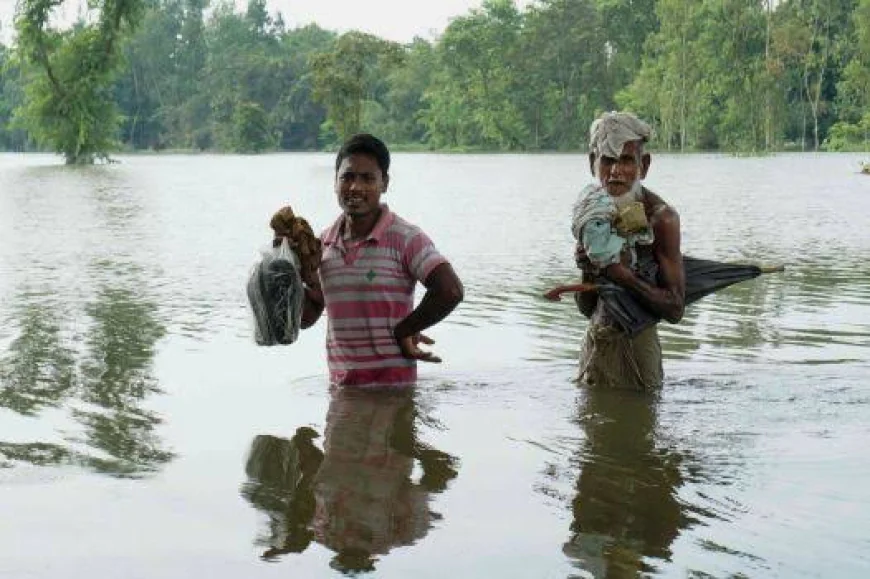
Behind every statistic is a story of loss. In Bihar, a young farmer lost his life while working in the fields during an unexpected lightning strike, leaving his family without a breadwinner. In Maharashtra, an elderly couple succumbed to heatstroke as their village grappled with prolonged power cuts. These stories highlight how climate disasters are not just environmental crises but also social and economic ones.
The Way Forward
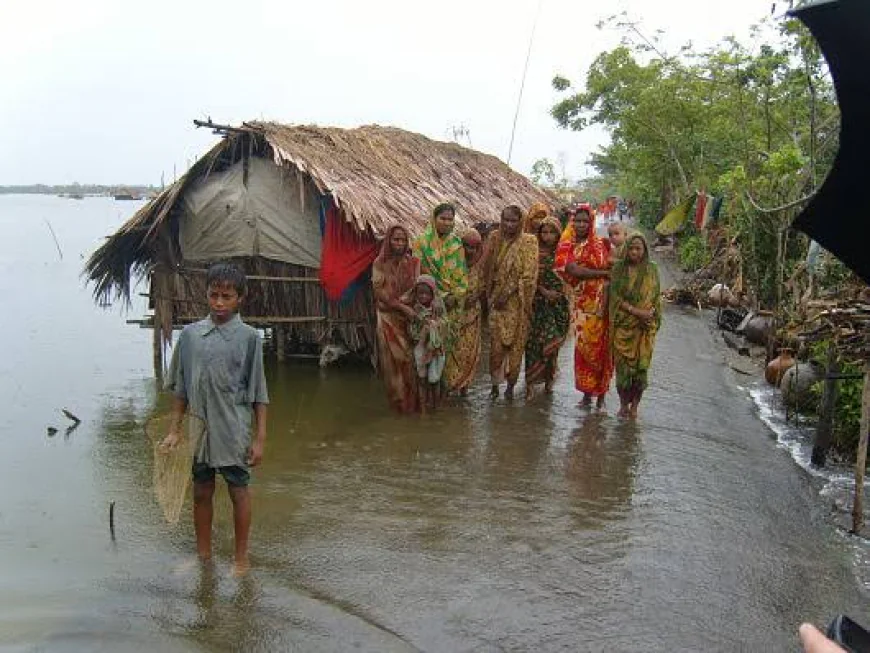
India urgently needs stronger climate resilience policies. This includes investing in early-warning systems, strengthening disaster response teams, and promoting climate education at the grassroots level. Urban areas must prioritize green infrastructure to combat heat islands, while rural communities need better shelters and insurance schemes to recover from disasters.
Conclusion
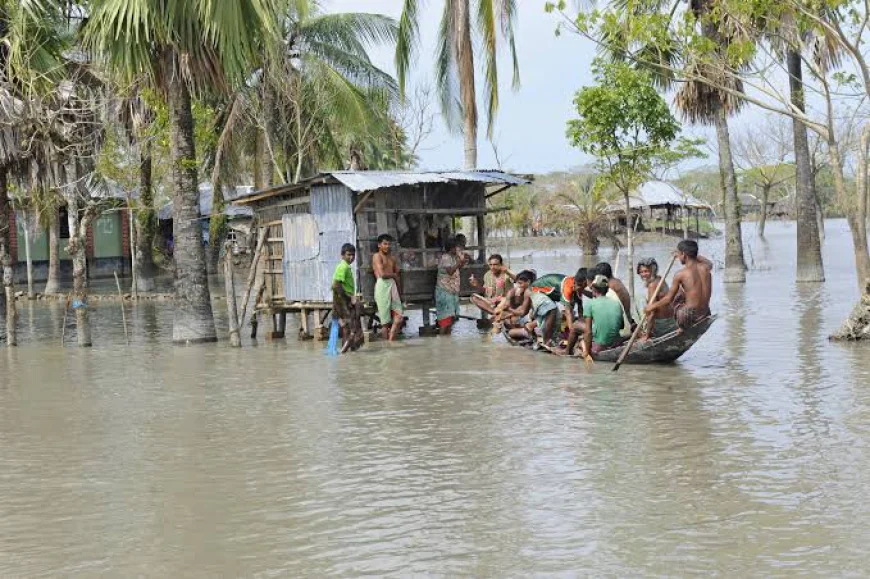
The rising death toll from extreme weather events is a wake-up call. Climate change is no longer a distant threat it’s here, claiming lives and livelihoods. Collective action from governments, communities, and individuals is essential to turn the tide and build a safer, more sustainable future for India.