




























India’s Coaching Craze: Time for Regulation or Reform?
As China tightens its grip on the booming private tutoring industry, the question arises — should India follow suit or address deeper educational gaps instead? This article explores the balance between student well-being, academic pressure, and the need for systemic change in India’s education system.

The Rise of the Coaching Culture in India
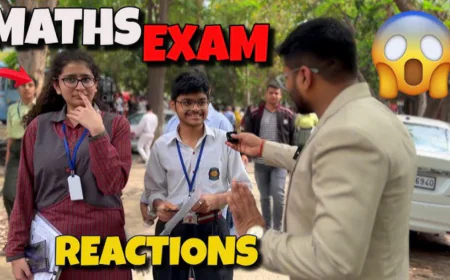
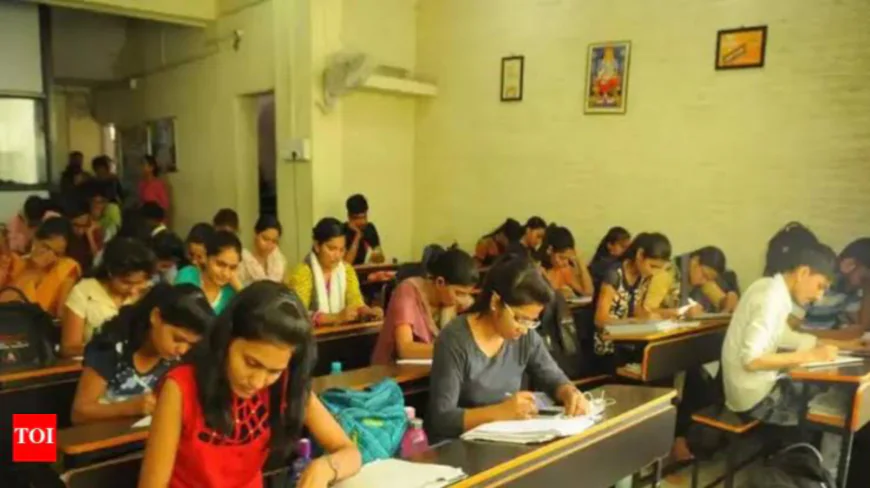
In India, coaching institutes have become almost synonymous with success. From Kota’s engineering hubs to Delhi’s UPSC centers, millions of students flock to these institutions every year, hoping to secure a seat in prestigious colleges or government jobs. Parents often spend their life savings on these classes, believing they offer the only path to a stable future.
However, the growing pressure and commercialization of education have created an industry that thrives on competition rather than learning. Students often face immense stress, long study hours, and unrealistic expectations — sometimes leading to tragic consequences.
China’s Crackdown: A Lesson or a Warning?
In 2021, China introduced strict regulations banning profit-based tutoring in core school subjects. The aim was to ease academic pressure on children and reduce inequality in education. While the policy was praised for prioritizing student well-being, it also led to massive job losses and disrupted a billion-dollar industry.
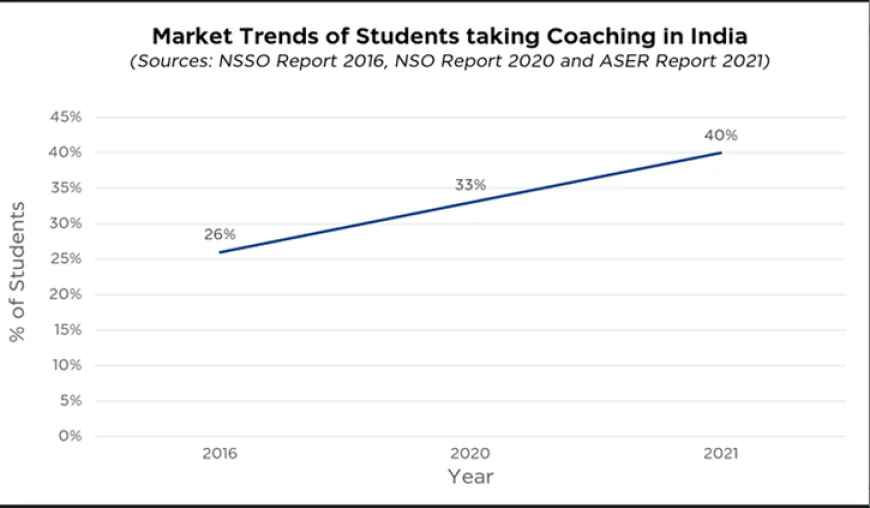
This raises a valid concern for India — can such a drastic move work here? India’s education system heavily depends on private tutoring due to inconsistent school quality, outdated curriculums, and limited access to personalized guidance.
Regulation Over Restriction
Instead of an outright ban, India could consider bringing coaching institutes under proper regulation. Transparent fee structures, qualified teachers, mental health support, and ethical advertising could be made mandatory. This would protect students from exploitation without crushing their aspirations.
Additionally, strengthening the school system, improving teacher training, and updating syllabi could reduce the dependency on coaching centers altogether.
The Way Forward
India stands at a crucial crossroad. While the coaching culture has undeniably helped students reach their goals, it has also deepened educational inequality and mental strain. A balanced approach one that emphasizes reform over restriction may be the key.
Regulating coaching classes while uplifting formal education could ensure that learning becomes a journey of growth, not just a race to the top.